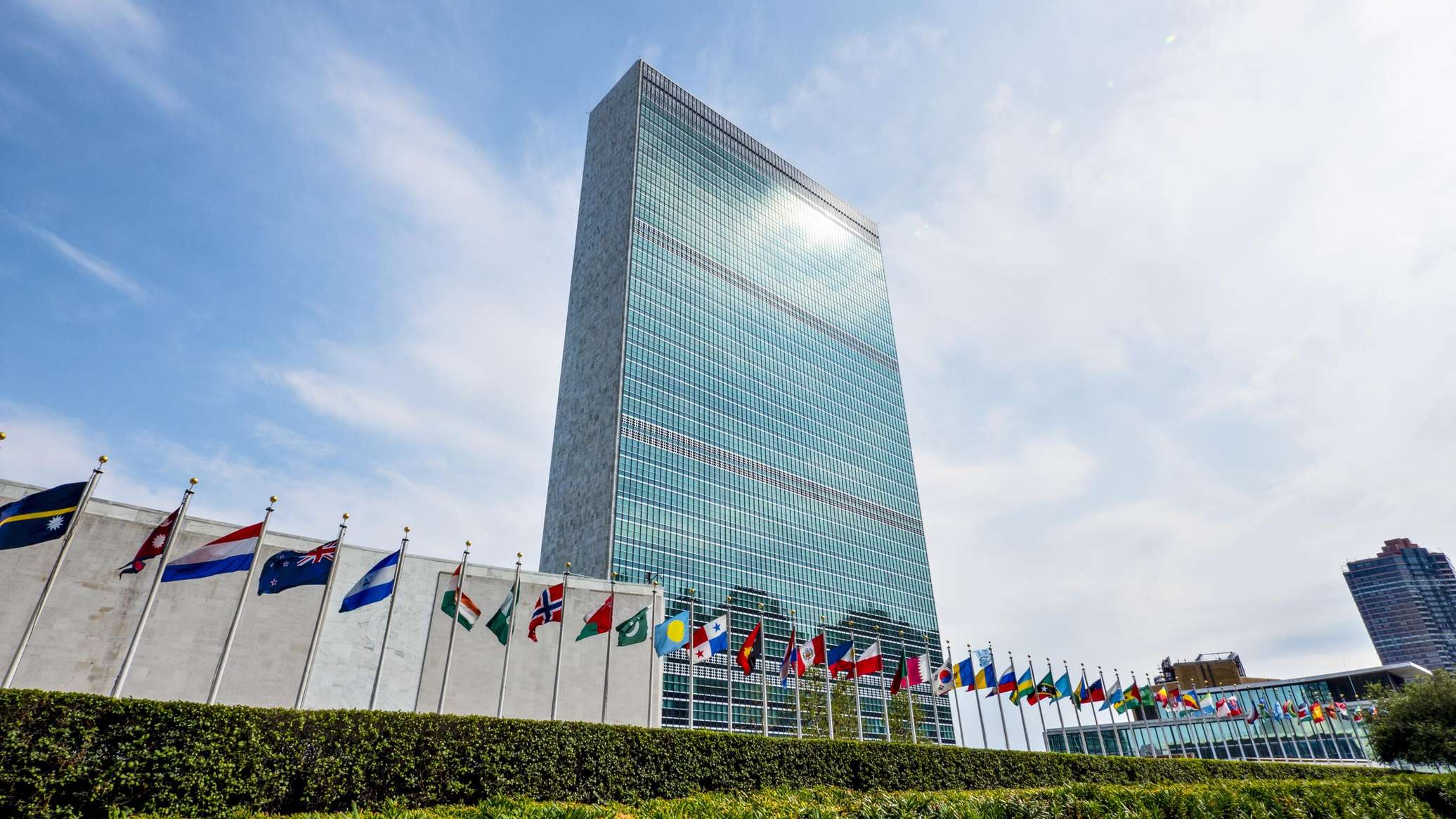
The United Nations was designed to manage a world of sovereign states balancing military power. Today, that framework is buckling under the pressure of supply-chain weaponization, technological competition, and debt crises. While traditional diplomatic mediation remains a core requirement, the next leader must possess a rare fluency in global finance and development economics to be effective. The era of the pure political operator has passed; the current landscape demands an architect capable of navigating the intersection of security and economic survival.
This shift highlights the limitations of selecting leaders solely for their political pedigree. Candidates like Rebecca Grynspan, with backgrounds in development and international finance, offer a blueprint for the modern Secretary-General. Her career underscores the reality that issues such as climate finance and food security are now inseparable from the UN’s primary mission of peace. Without bridging the widening trust gap between the Global North and South, the organization risks becoming a relic of 1945, unable to address the structural inequalities that fuel modern conflict.
Member states face a choice that will define the credibility of multilateralism for a generation. The next leader must restore faith in collective action by modernizing the UN from within while engaging with a fragmented global order. By prioritizing a candidate who can manage complex economic networks as skillfully as diplomatic forums, the UN has the chance to prove that it remains an indispensable mechanism for managing the risks of the twenty-first century.

Comments (0)
No comments yet. Be the first!