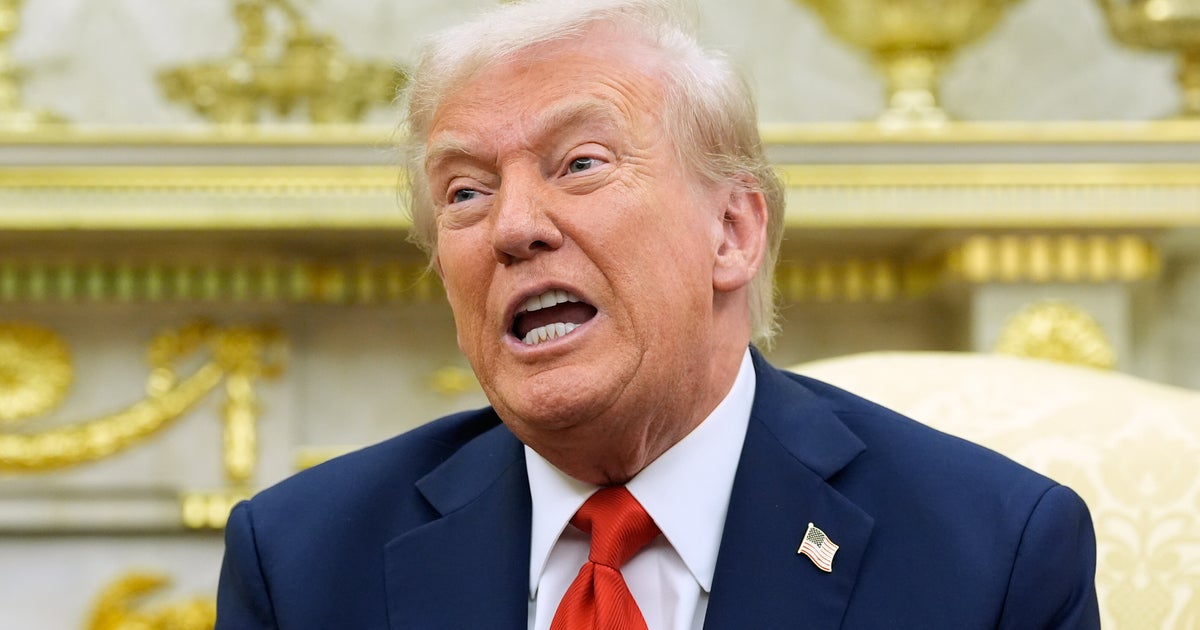
Secretary of State Marco Rubio recently concluded a diplomatic tour of the Gulf, where he faced pointed questions regarding the deal’s impact on regional security. The primary friction point remains the Strait of Hormuz. Despite international protests, Iran continues to assert control over the waterway, a critical artery for global oil transit that remains a flashpoint for potential military escalation.
Market observers are tracking the fallout as the accord’s provisions—specifically those involving sanctions and military posture—trigger volatility in energy prices. Regional powers continue to weigh the strategic cost of the agreement, wary that Washington’s internal political struggle may undermine the enforcement of the very measures intended to check Tehran’s regional influence.


Comments (0)
No comments yet. Be the first!