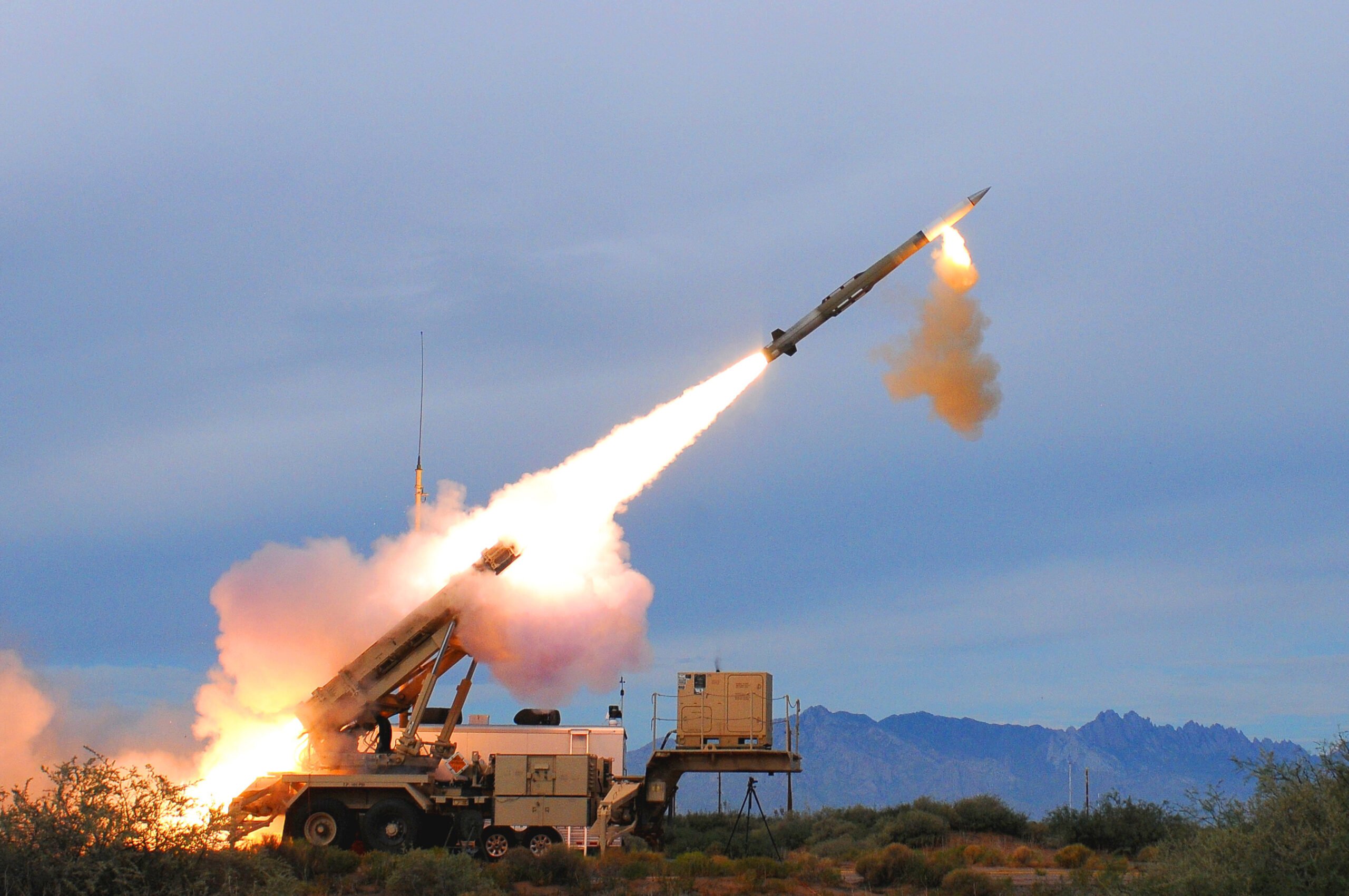
Washington’s recent $58.6 billion contract with Lockheed Martin is designed to triple PAC-3 production, yet the headline figure obscures the bottleneck. Modern missile defense relies on solid-fuel rocket motors, which require specialized curing ovens and X-ray inspection booths. With the industry consolidated into a handful of facilities, lead times for these components remain fixed at 24 to 30 months. Even with massive state investment, the schedule is dictated by physical manufacturing constraints rather than congressional appropriations.
This creates a 'paper-barrel' problem, similar to OPEC+ quotas that exist on paper but cannot be met by actual production. Ukraine’s inability to intercept more than 15% of Russian ballistic missiles in July is not a policy failure; it is the result of a finite global pool being stretched across three active fronts. Taiwan’s long-standing backlog, which extends well into the next decade, further proves that the production pipeline was saturated long before recent geopolitical tensions escalated. The current strategy functions through quiet, desperate rationing, with allies shuffling thin inventory between theaters. Until new production lines in Germany or Poland come online, the capacity to defend multiple fronts remains a matter of industrial output that will not reach meaningful volume until 2030.



Comments (0)
No comments yet. Be the first!