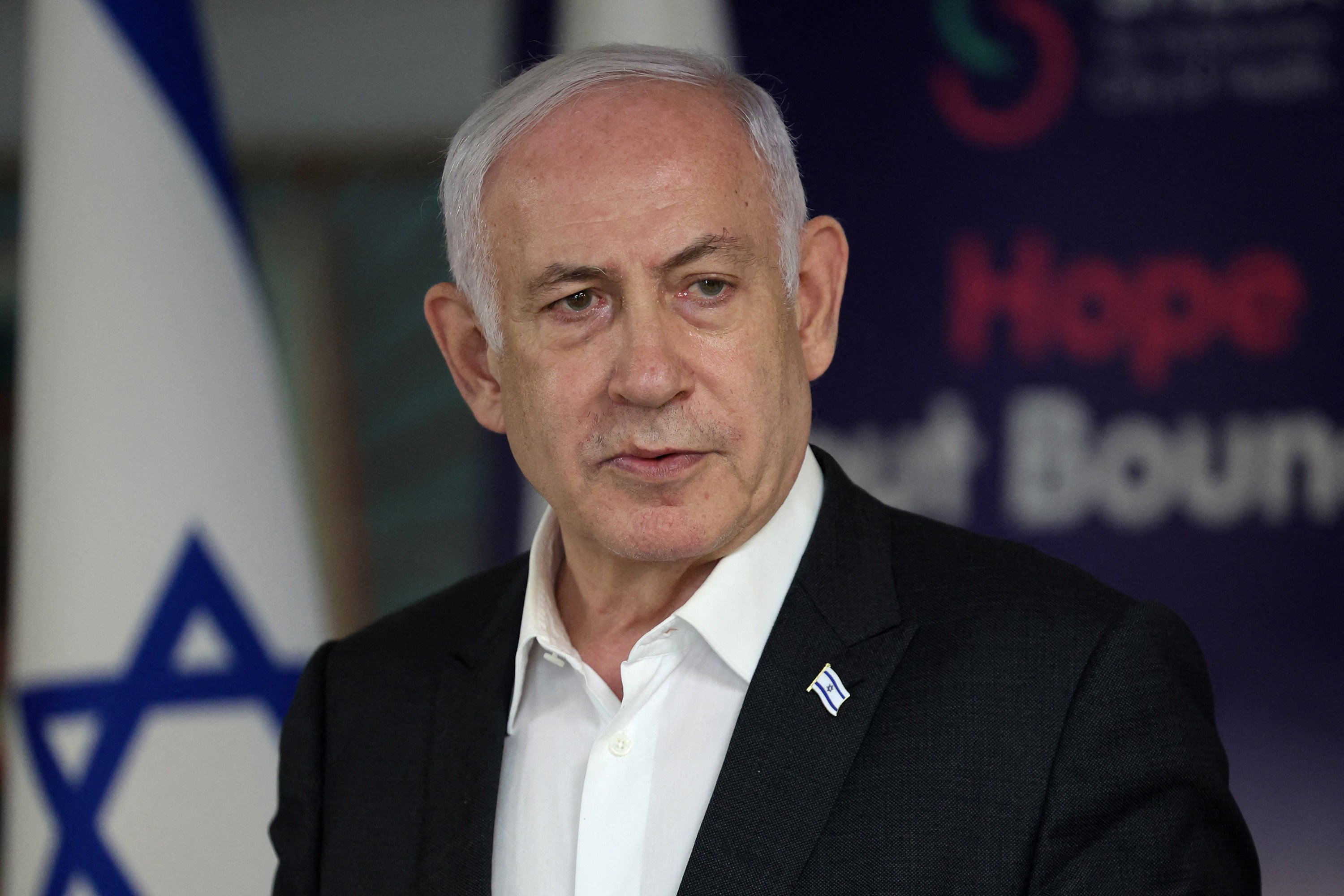
For decades, Netanyahu’s domestic authority rested on a single, powerful premise: his unique ability to steer American foreign policy. He built his brand on maintaining deep, privileged access to U.S. leadership, promising voters that he could command Washington’s support while keeping Iran contained through relentless pressure. The current negotiations, which include ceasefire mechanisms in Lebanon and direct engagement with Iranian officials, render that narrative increasingly obsolete. Rather than acting as a primary architect of regional strategy, Netanyahu finds himself in the unfamiliar position of reacting to decisions made in the White House.
This diplomatic isolation carries significant domestic risks. With the Abraham Accords stalled and Iran’s regional influence largely intact, Netanyahu’s political base faces a reality where his hardline approach is no longer the driving force of U.S. policy. Even his traditional reliance on Republican allies offers little sanctuary, as party loyalists are unlikely to break with President Trump’s executive agenda to accommodate Israeli concerns. As regional neighbors recalibrate their own security arrangements to account for a more transactional U.S. posture, the Israeli Prime Minister faces a narrowing window to secure concessions before the deal permanently alters the Middle Eastern status quo.


Comments (0)
No comments yet. Be the first!