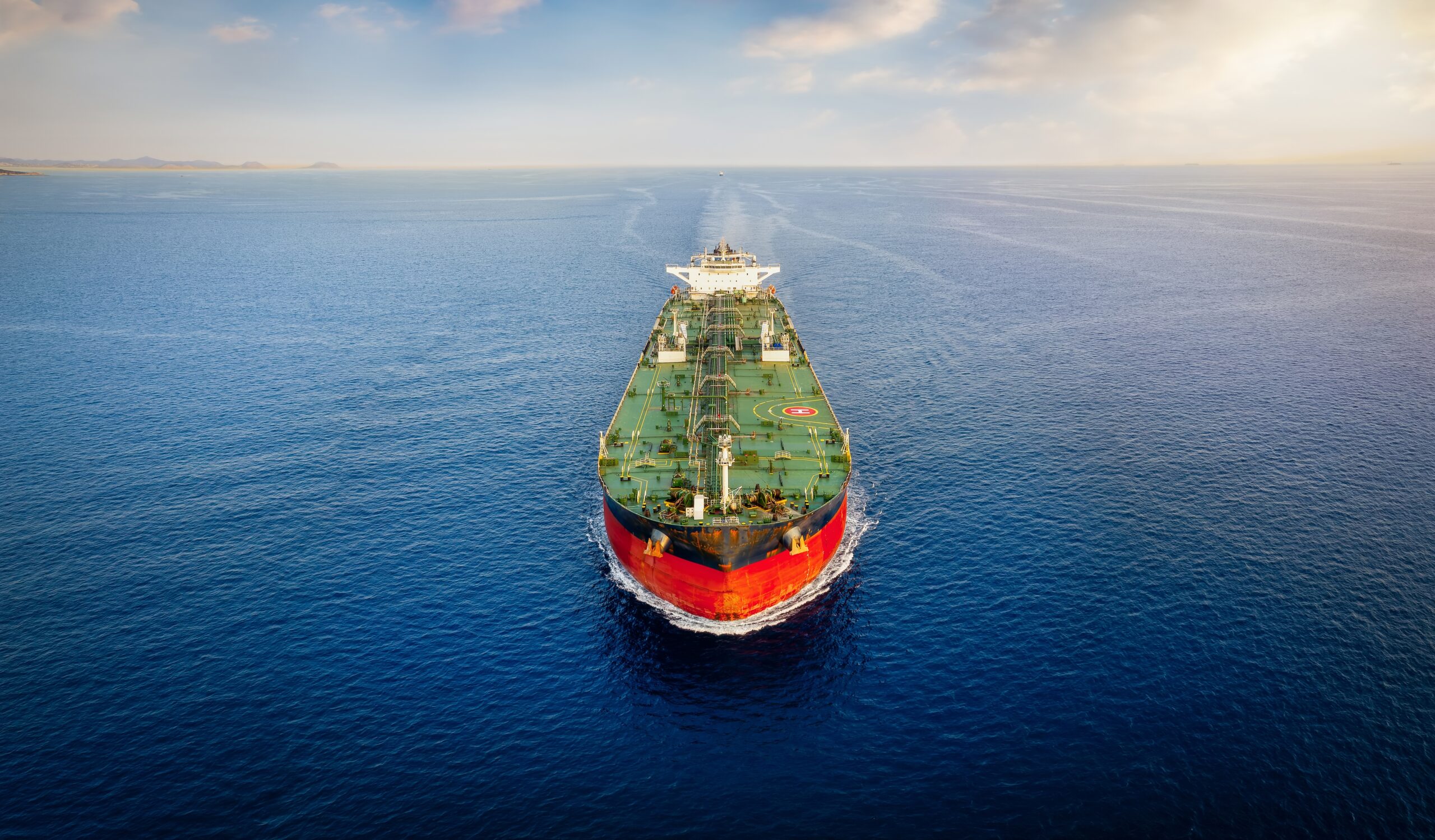
Iraq’s recent fiscal emergency, sparked by the closure of the Strait of Hormuz, serves as a stark warning to the region. With its primary oil exports paralyzed, Baghdad turned to an unconventional desert trucking route through Syria to the Mediterranean port of Baniyas. Though less efficient than pipelines, the arrangement signals a permanent shift in regional calculus: energy exporters are now prioritizing catastrophe insurance over cost-optimization. This pivot has empowered Syria’s new leader, Ahmed al-Sharaa, who is leveraging his nation’s geography to court investment for the Four Seas project, a network aimed at bypassing traditional maritime chokepoints.
Turkey has emerged as the primary beneficiary of this reorganization, systematically filling the power vacuum left by Russia. While Moscow remains preoccupied with its war in Ukraine, its influence across the Levant and Caucasus has rapidly withered. Ankara, by contrast, has positioned itself as a critical mediator and defense supplier, maintaining warm ties with the Kremlin while simultaneously seizing the strategic openings left by Russian overextension.
Kyiv has integrated itself into this emerging architecture by trading its battlefield-tested drone technology for regional security partnerships. By signing agreements with Saudi Arabia and Qatar, and coordinating trade in agricultural products and phosphates with Syria, Ukraine is diversifying its own diplomatic portfolio. This nascent axis between Ankara, Damascus, and Kyiv underscores a collective realization: as American hegemony wanes and Russian capability falters, regional states must forge their own interdependent paths to survive in an increasingly volatile global landscape.



Comments (0)
No comments yet. Be the first!