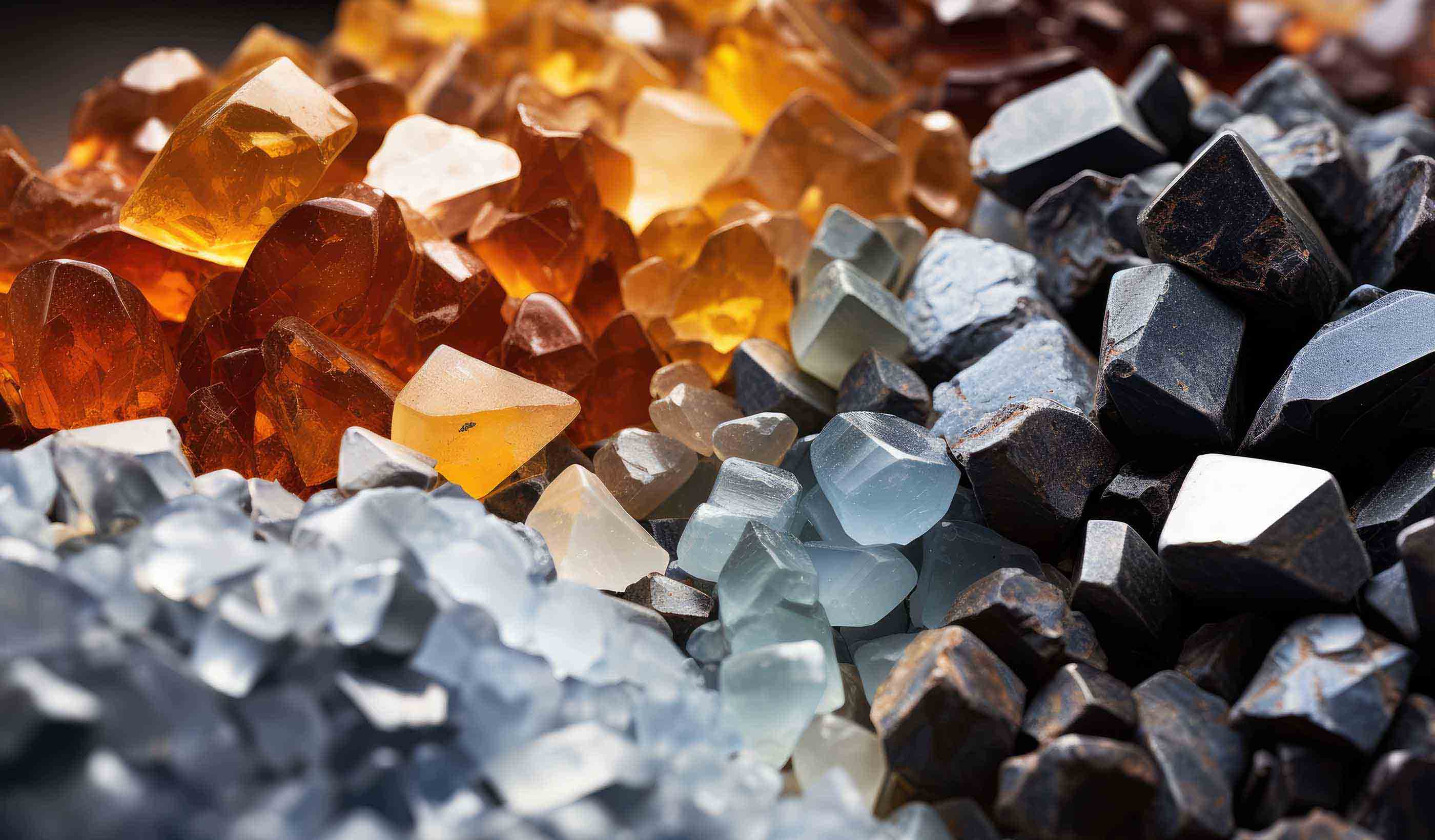
China currently dominates the landscape, controlling 60% of raw minerals and 90% of refined rare earths, including lithium and cobalt. Following the imposition of export controls in 2025, the global supply chain has become a geopolitical frontline. The urgency is compounded by the dual pressure of an AI-driven tech boom and the rapid, mineral-intensive transition to renewable energy.
In response, the European Union has implemented the Critical Raw Materials Act, aiming to cap reliance on any single third-country supplier at 65%. Similarly, the United States launched Project Vault in 2026, a $12 billion initiative to fortify national mineral reserves. Japan, meanwhile, continues to expand its JOGMEC reserves, targeting a 180-day supply buffer for rare metals.
Energy security remains equally precarious. The closure of the Strait of Hormuz earlier this year disrupted 20% of global oil trade, forcing the International Energy Agency to tap into emergency reserves. Despite these releases, the 400 million barrels provided cover less than half of the current shortfall. Countries from India to Singapore are now rushing to establish domestic oil buffers of up to 500 million barrels to insulate their economies from regional conflicts.
This trend creates a classic security dilemma. As nations hoard resources to mitigate vulnerability, they inadvertently intensify global competition. This race to secure autonomy risks creating the very supply disruptions governments are trying to avoid, as the scramble for materials accelerates alongside rising geopolitical distrust.


Comments (0)
No comments yet. Be the first!