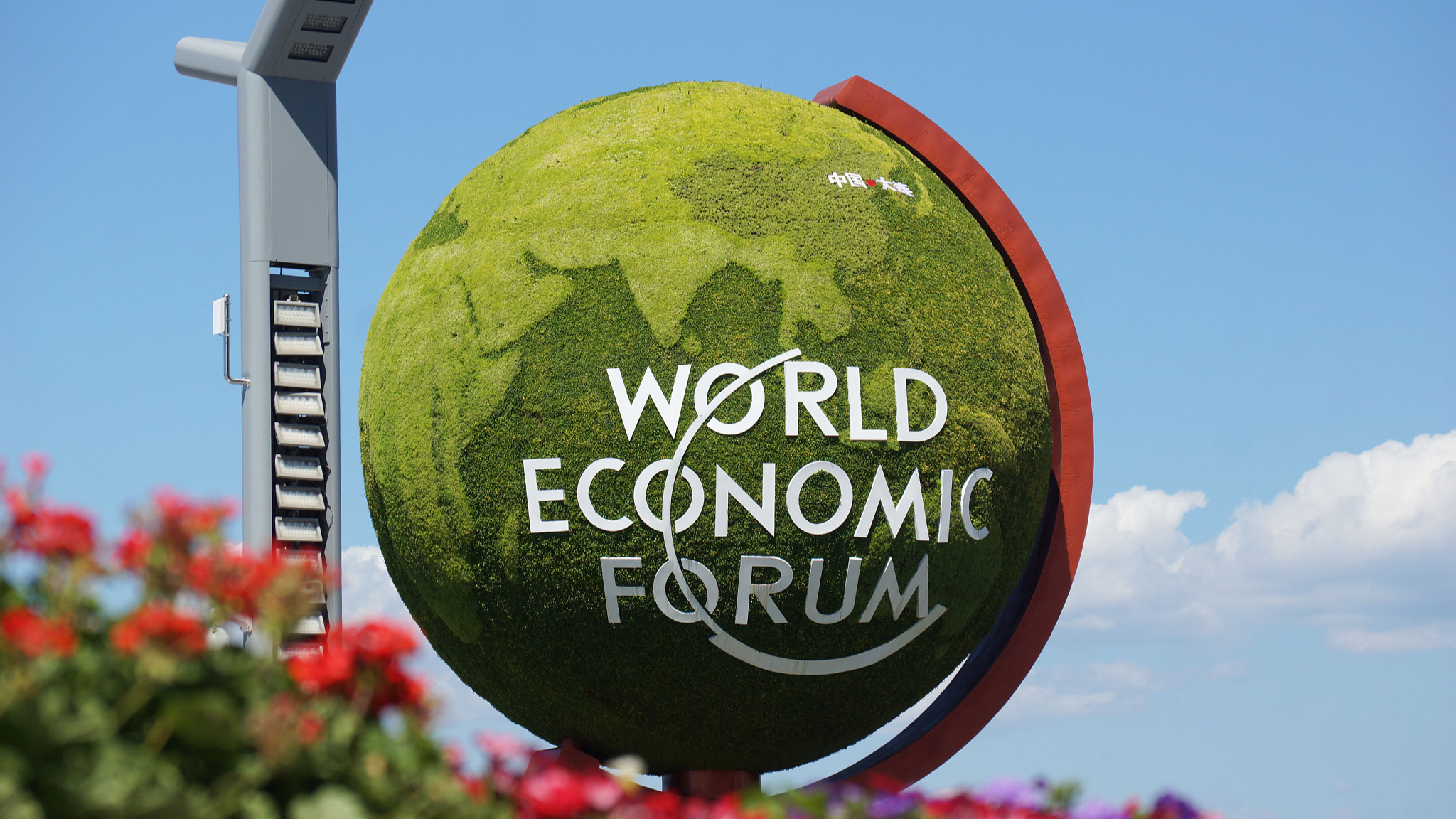
The 2026 summit confronts the obsolescence of traditional comparative advantage theories, which once relied solely on low-cost labor. In the current climate, global trade is being reshaped by priorities like supply flexibility and geographic proximity. To remain competitive, Asian economies are increasingly adopting "China+1" strategies, which leverage regional industrial bases while diversifying production to ASEAN neighbors. This shift is bolstered by frameworks like the Regional Comprehensive Economic Partnership, aimed at deepening intra-regional integration and reducing reliance on distant Western markets.
China’s own economic trajectory remains a focal point as the country cultivates "new quality productive forces." Economists at the forum highlight the necessity of reconciling state-led policy with market-driven forces to overcome structural bottlenecks, such as a reliance on foreign semiconductors and the ongoing real estate downturn. A central challenge for attendees is bridging the "valley of death"—the chasm between laboratory innovation and industrial-scale application. Experts argue that successful commercialization requires new ecosystems, including regulatory sandboxes and public-private partnerships that mitigate the financial risks inherent in early-stage technology development.
Finally, the forum addresses the intersection of artificial intelligence and the future of work. With traditional education systems struggling to keep pace with rapid automation, the consensus points toward a shift from static degree-based learning to a lifelong model. As China outlines its intent to support the Global South through shared expertise in clean energy and AI, the meeting in Dalian serves as a critical junction for aligning technological progress with the economic realities of a fragmented global market.



Comments (0)
No comments yet. Be the first!