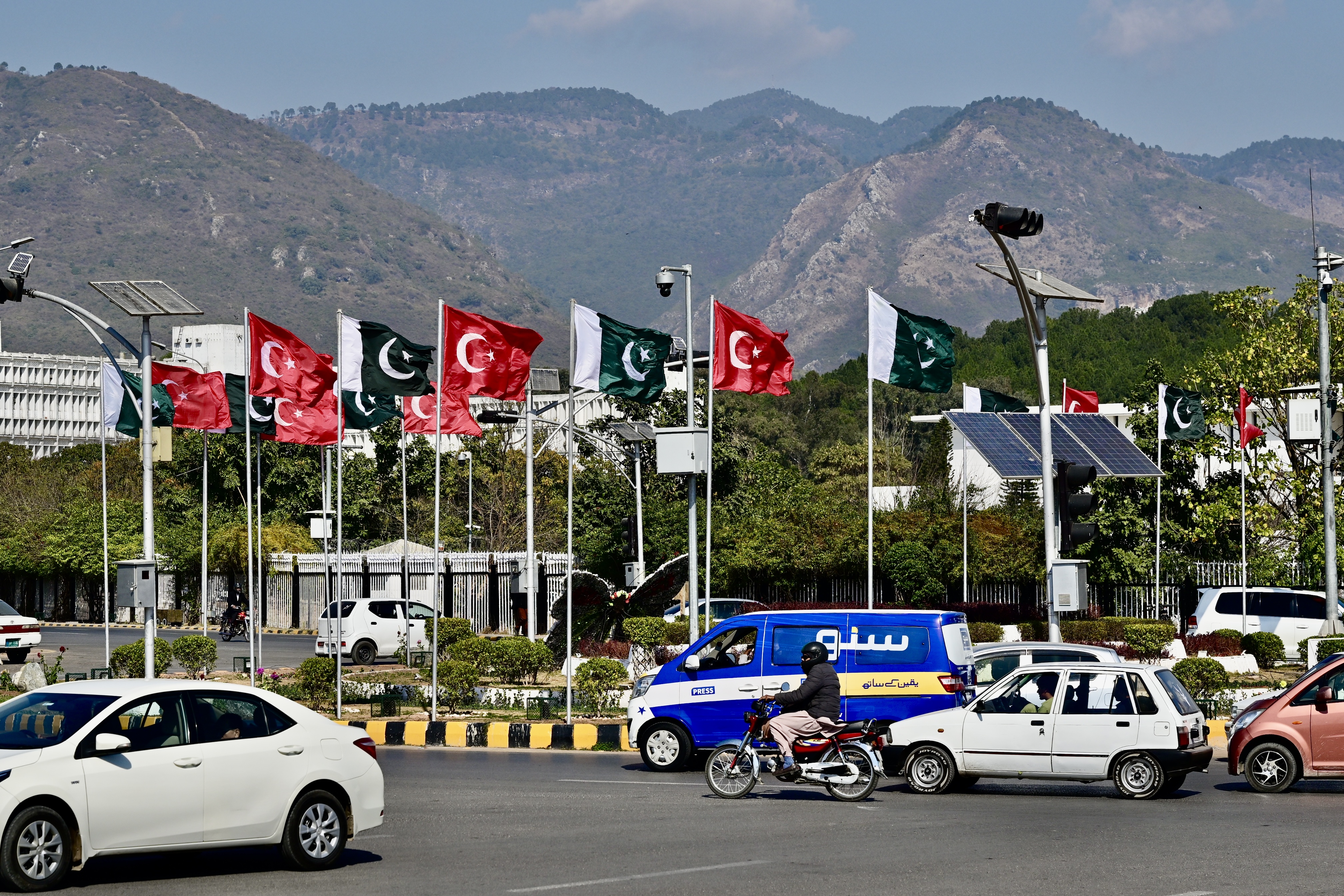
The agreement functions as an evolution of the September 2025 bilateral deal between Riyadh and Islamabad, now expanded to integrate Ankara’s NATO-standard doctrine and the Baykar drone ecosystem. While the pact mirrors the collective-defense spirit of Article 51 of the UN Charter, it lacks the institutional scaffolding—such as an integrated command structure or a common budget—that defines traditional military alliances. Instead, the framework relies on intelligence sharing, joint exercises, and defense-industrial cooperation to signal deterrence to regional rivals.
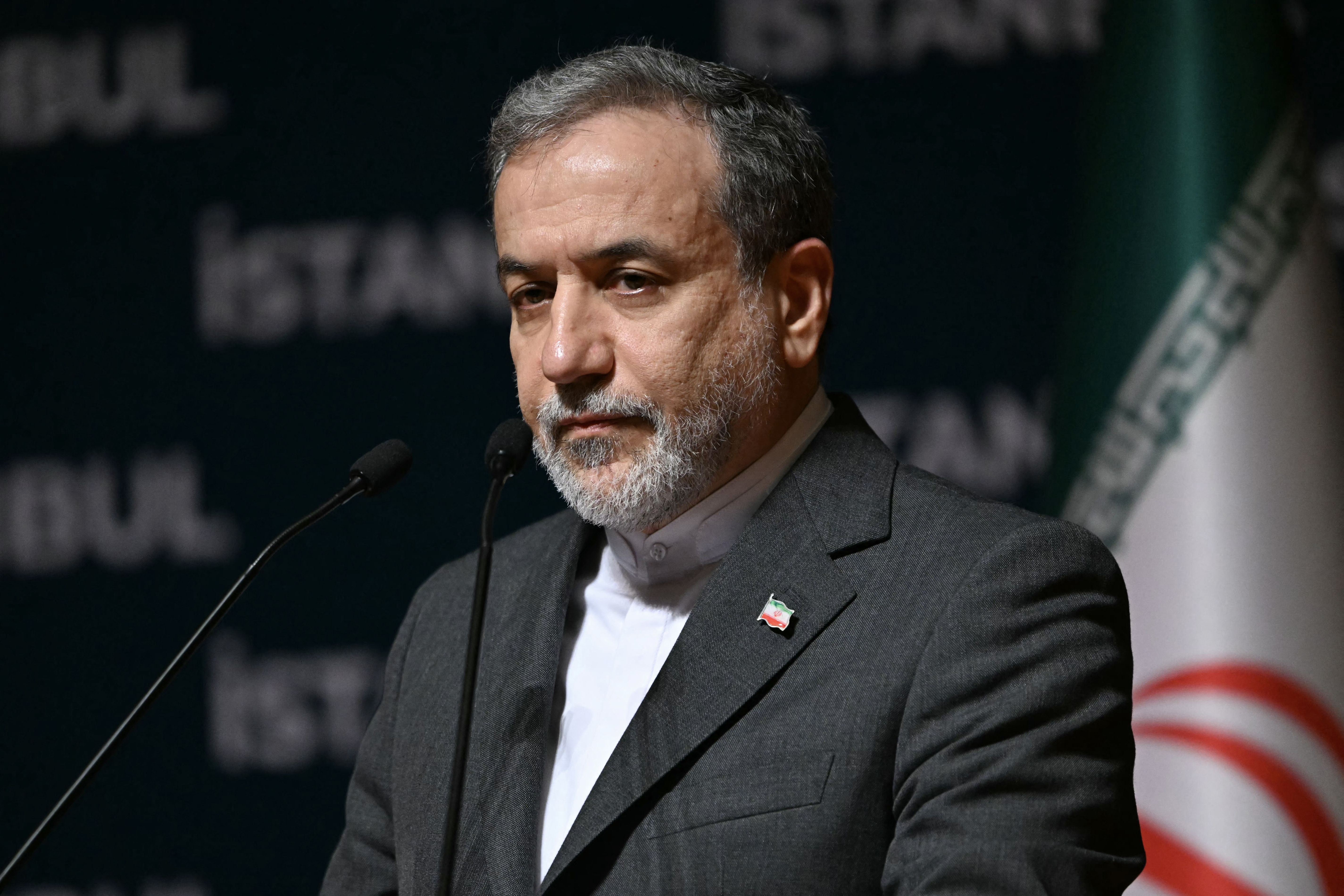
The pact’s true utility remains under scrutiny, particularly after historical precedents suggest that such agreements often lack automaticity. During the 2026 regional escalation, Pakistan notably declined to invoke previous bilateral defense commitments against Iran, signaling a preference for diplomatic mediation over military intervention. This reality leads many analysts to view the Mecca Compact as a deliberate exercise in political flexibility rather than a rigid security architecture. Tehran has dismissed the agreement as symbolic, while Israel remains quietly wary of a potential “Sunni axis” that could constrain its regional maneuvering room.
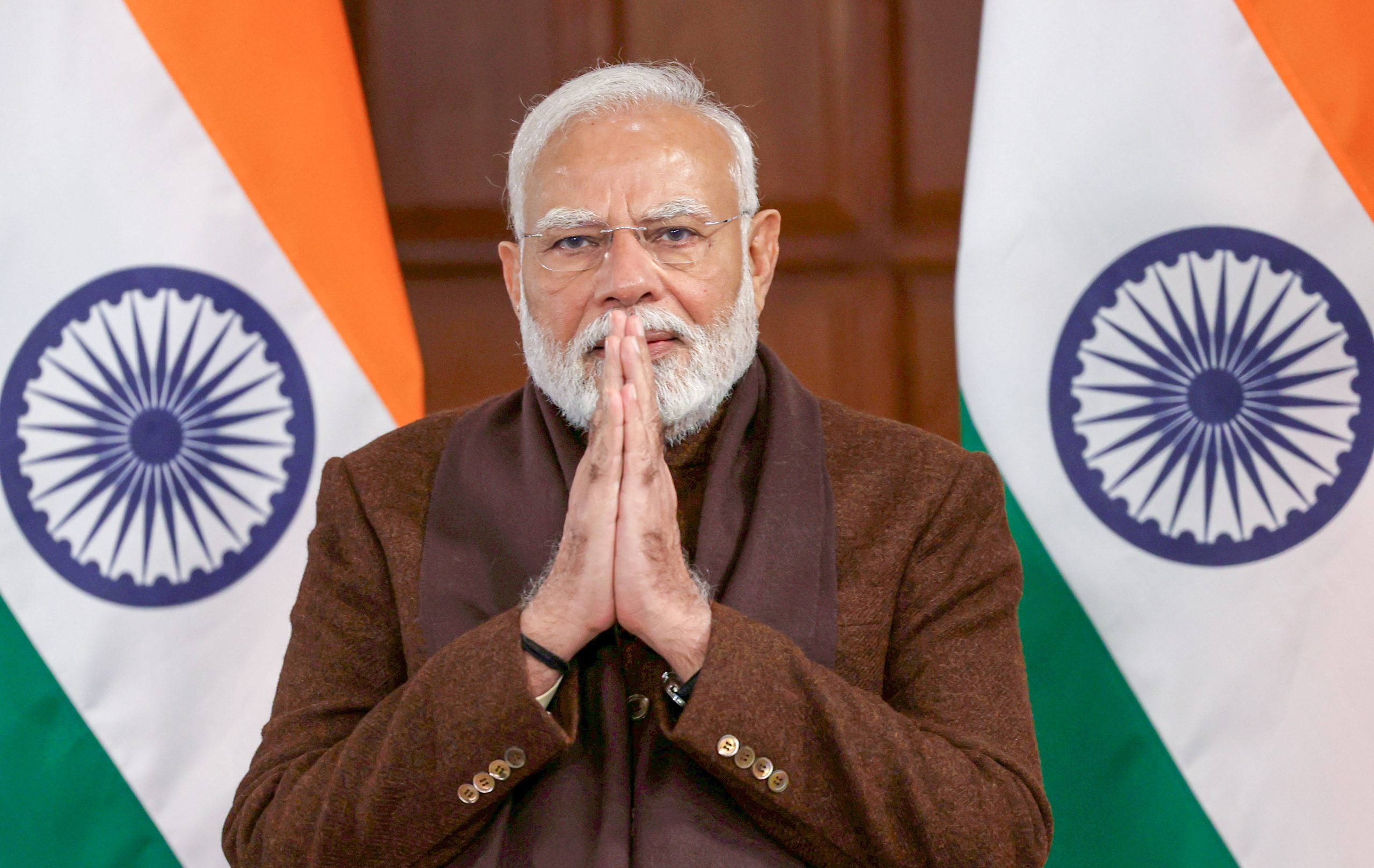
For external powers, the pact forces a recalibration of existing strategies. China stands to benefit from the increased stability of its regional investments, while India faces the challenge of protecting its bilateral ties with Riyadh against the shifting loyalties of its neighbors. New Delhi’s immediate priority lies in ensuring that this nascent coalition does not evolve into a diplomatic front that complicates India’s interests in Kashmir or regional security forums. As the agreement stands, its long-term viability depends less on its written clauses and more on the political resolve of the three states to move beyond rhetoric when tested by future crises.


Comments (0)
No comments yet. Be the first!