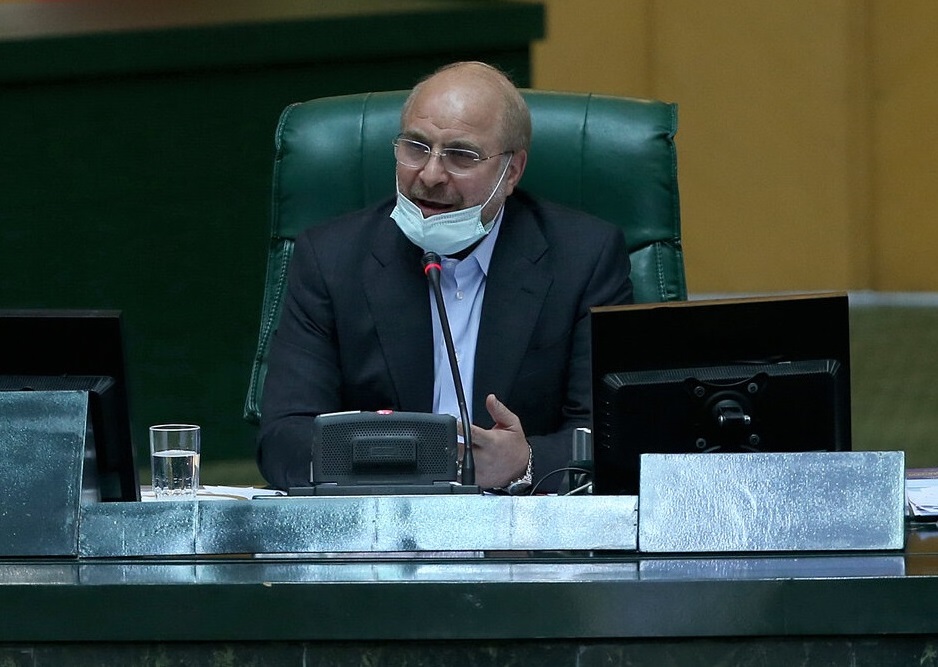
Qalibaf’s address highlights a persistent diplomatic push from Tehran to consolidate influence and minimize Western interference in regional affairs. His rejection of external involvement comes as delicate discussions between Iran and the United States regarding a potential peace accord continue to unfold behind the scenes.
By advocating for increased intra-regional collaboration, the speaker is signaling a shift toward a self-determined security model for the Middle East. The televised remarks emphasize that neighbors should resolve disputes internally, effectively framing foreign intervention as a primary obstacle to lasting peace. This rhetoric reinforces Tehran's long-standing strategy to reposition itself as the lead architect of regional policy, distancing the area from American or broader international oversight.


Comments (0)
No comments yet. Be the first!