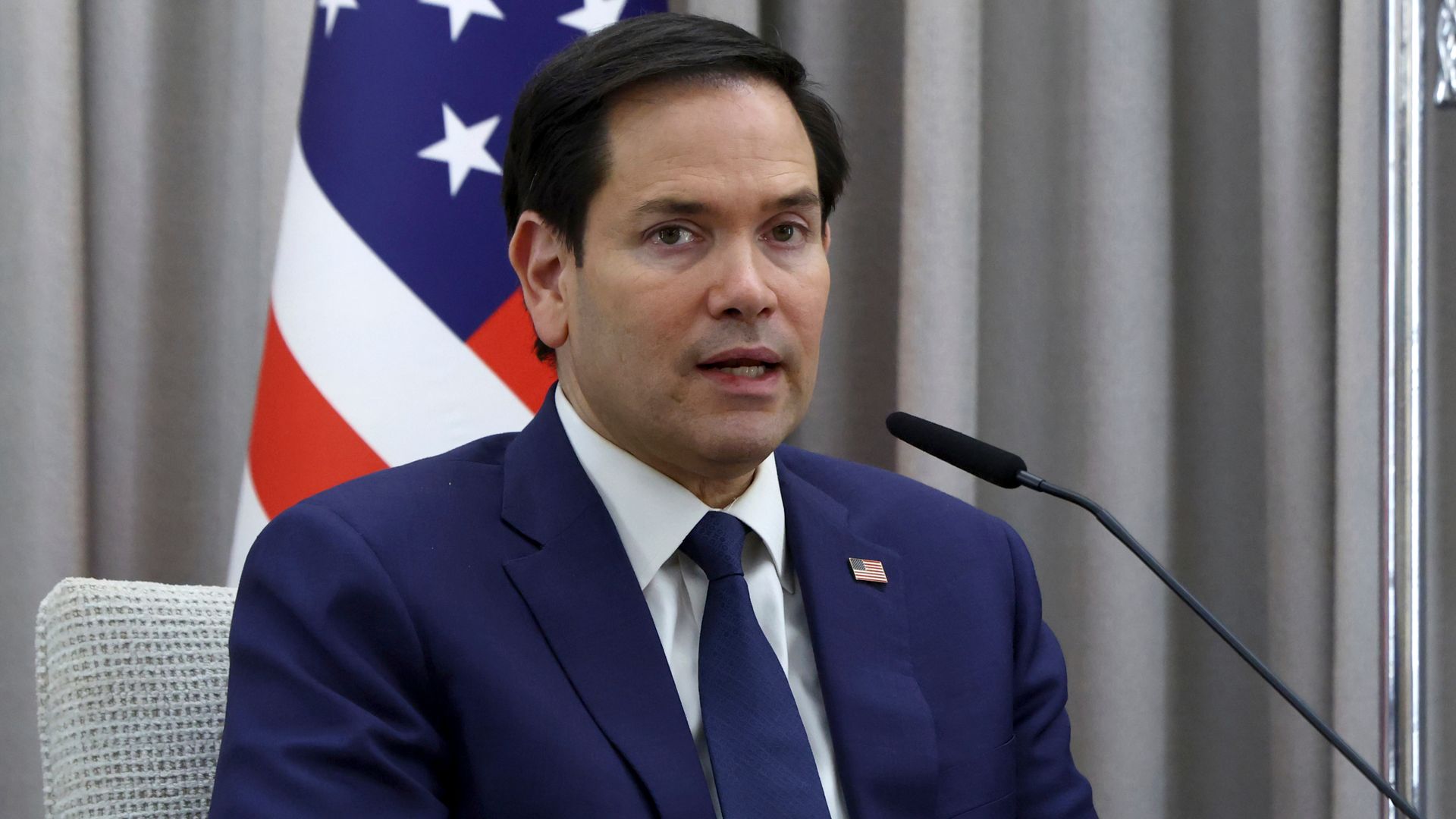
The visit marks a high-stakes balancing act for the Secretary of State. While tasked with maintaining the integrity of President Donald Trump’s new accord, Rubio must simultaneously address the private outrage of leaders in the Gulf Cooperation Council. These nations—all strategic hosts to U.S. military bases—view the deal’s omission of Iranian ballistic missile limits and a proposed $300 billion reconstruction fund as a direct threat to their security architecture.
Regional officials are particularly wary that the influx of capital could empower Tehran to bolster proxy groups and ignite internal dissent, a fear most acute in Bahrain. Furthermore, the potential shift in control over the Strait of Hormuz has rattled energy exporters who rely on the passage for global oil distribution. While Rubio maintains that Tehran’s access to funds remains contingent on future behavior, the perceived shift in Washington’s posture has left traditional allies questioning the longevity of their security partnerships with the United States.


Comments (0)
No comments yet. Be the first!