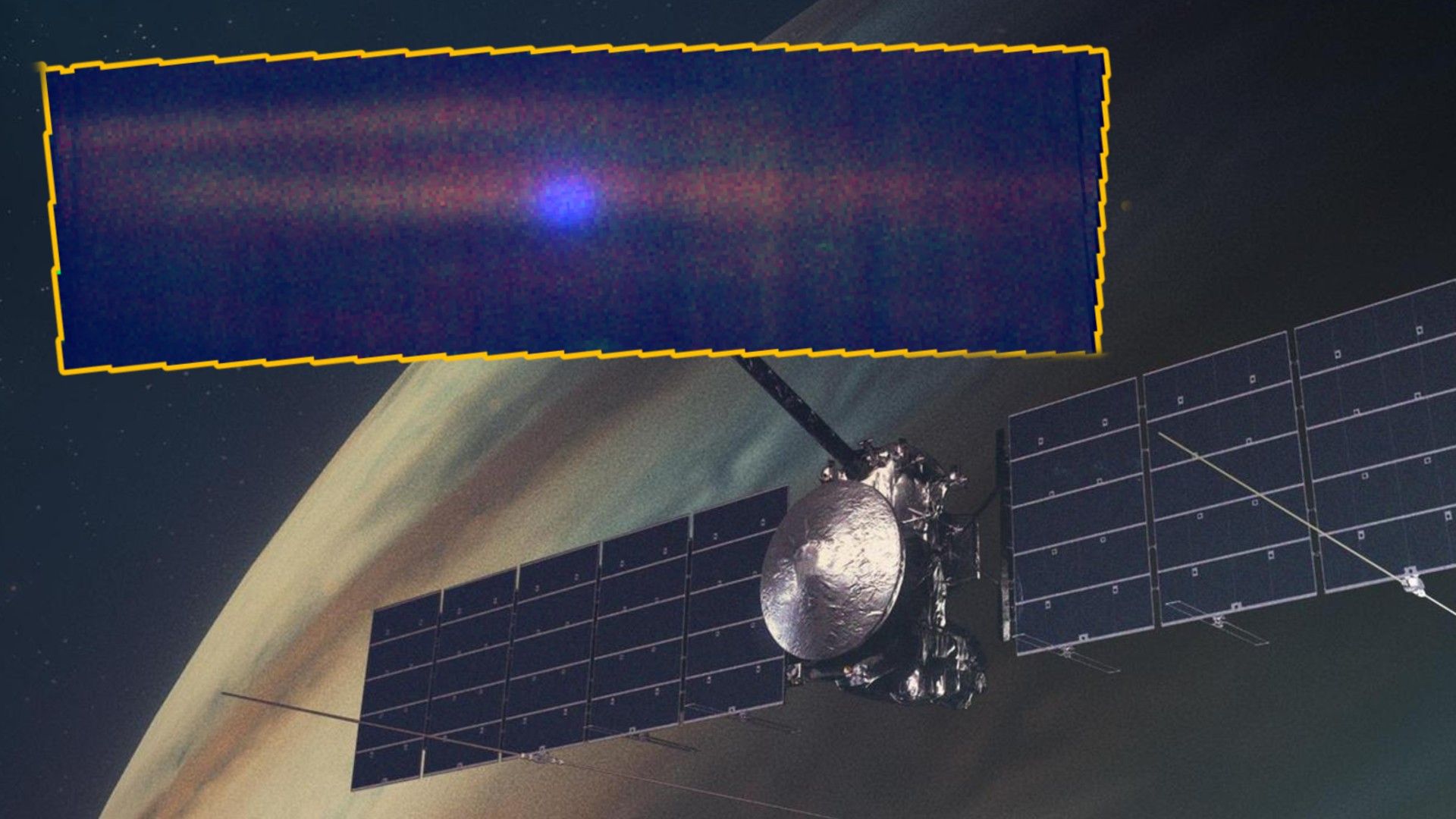
As the comet retreated from the Sun in December 2025, researchers diverted the James Webb Space Telescope to target its vaporizing ice. Using the Near-Infrared Spectrograph, the team analyzed chemical signatures that defy the standard composition of objects originating within our solar system. The data, published June 22 in Nature, reveals a sparse presence of carbon-13, a marker of the comet's extreme age; stellar systems typically accumulate this isotope over successive generations of star death and rebirth.
Martin Cordiner of NASA’s Goddard Space Flight Centre suggests the comet originated in a cold, dense cloud during the peak era of galactic star formation. The findings indicate that 3I/ATLAS remained in a deeply frozen state for billions of years, shielded from the warmth that shaped the water ice found on Earth. This rare interstellar visitor serves as a time capsule, providing a direct look at the primordial environment of a distant star system that predates the formation of our own by several billion years.



Comments (0)
No comments yet. Be the first!