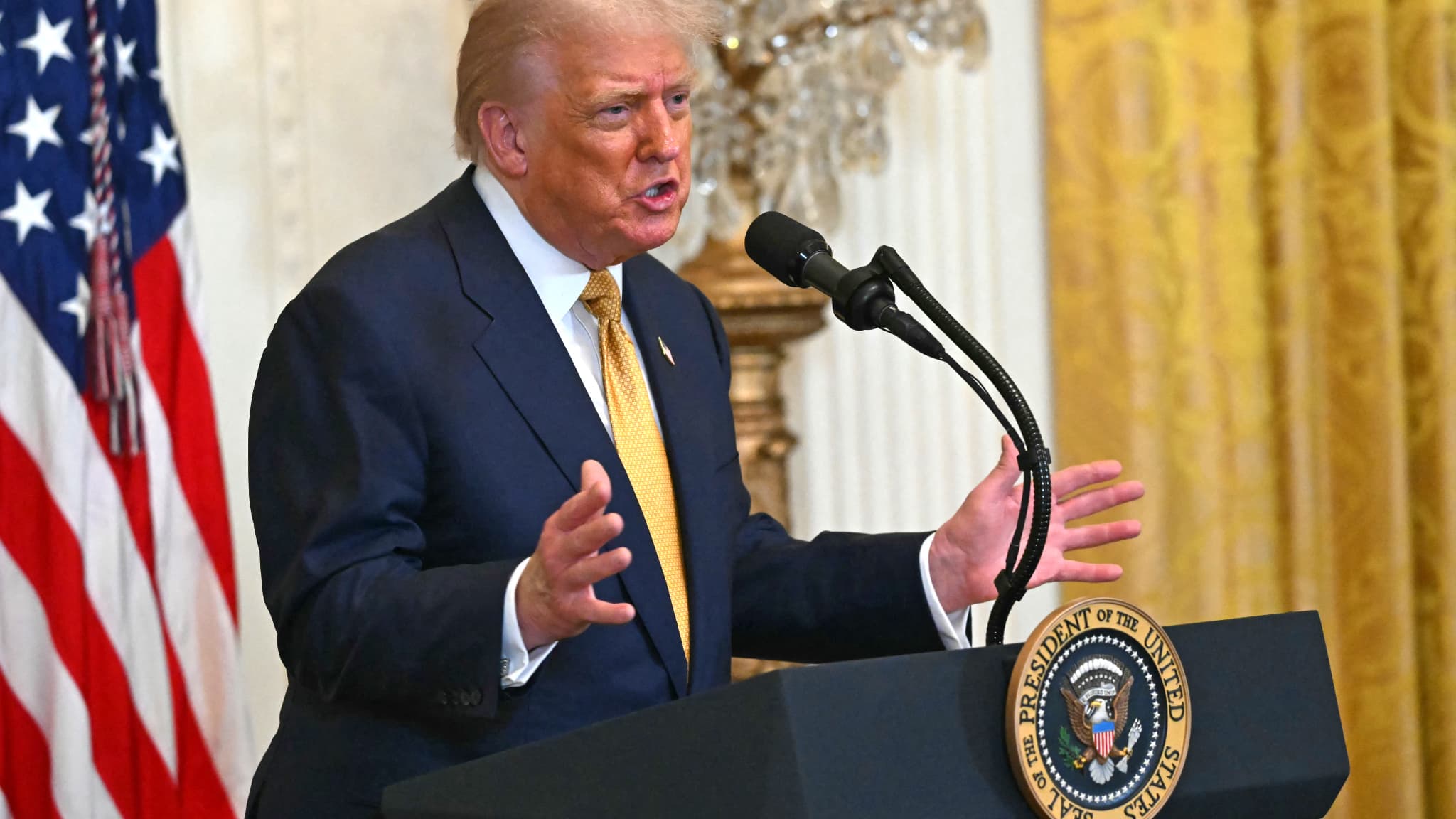
The U.S. president took to social media to assert that Iran had agreed to the highest level of nuclear oversight, claiming unfrozen assets would be held in escrow to purchase American agricultural and medical goods. Vice President JD Vance echoed this sentiment, describing the Swiss talks as a solid foundation for a final accord. However, Iranian officials offered a starkly different account of the negotiations mediated by Qatar and Pakistan.
Ali Bahreini, Iran’s ambassador to the United Nations in Geneva, rejected the notion that any foreign entity would dictate the use of Iranian funds. Foreign Ministry spokesperson Esmail Baghaei confirmed that no meetings had occurred with IAEA chief Rafael Grossi, emphasizing that Iran maintains full sovereignty over its assets and nuclear policy. Bahreini noted that while progress was made on a ceasefire and maritime security in the Strait of Hormuz, the nuclear dossier remains contingent on the full implementation of earlier deal terms.
Meanwhile, the situation on the ground remains volatile. Despite a largely stable ceasefire in southern Lebanon, reports of Israeli gunfire on Tuesday drew accusations of violations from Hezbollah. As Washington prepares for further talks with Israeli officials, the political stakes for the White House are rising. With midterm elections approaching, the administration faces intense pressure to translate the interim agreement into a permanent resolution that satisfies critics of Iran’s nuclear ambitions while easing domestic economic strain caused by the conflict.


Comments (0)
No comments yet. Be the first!