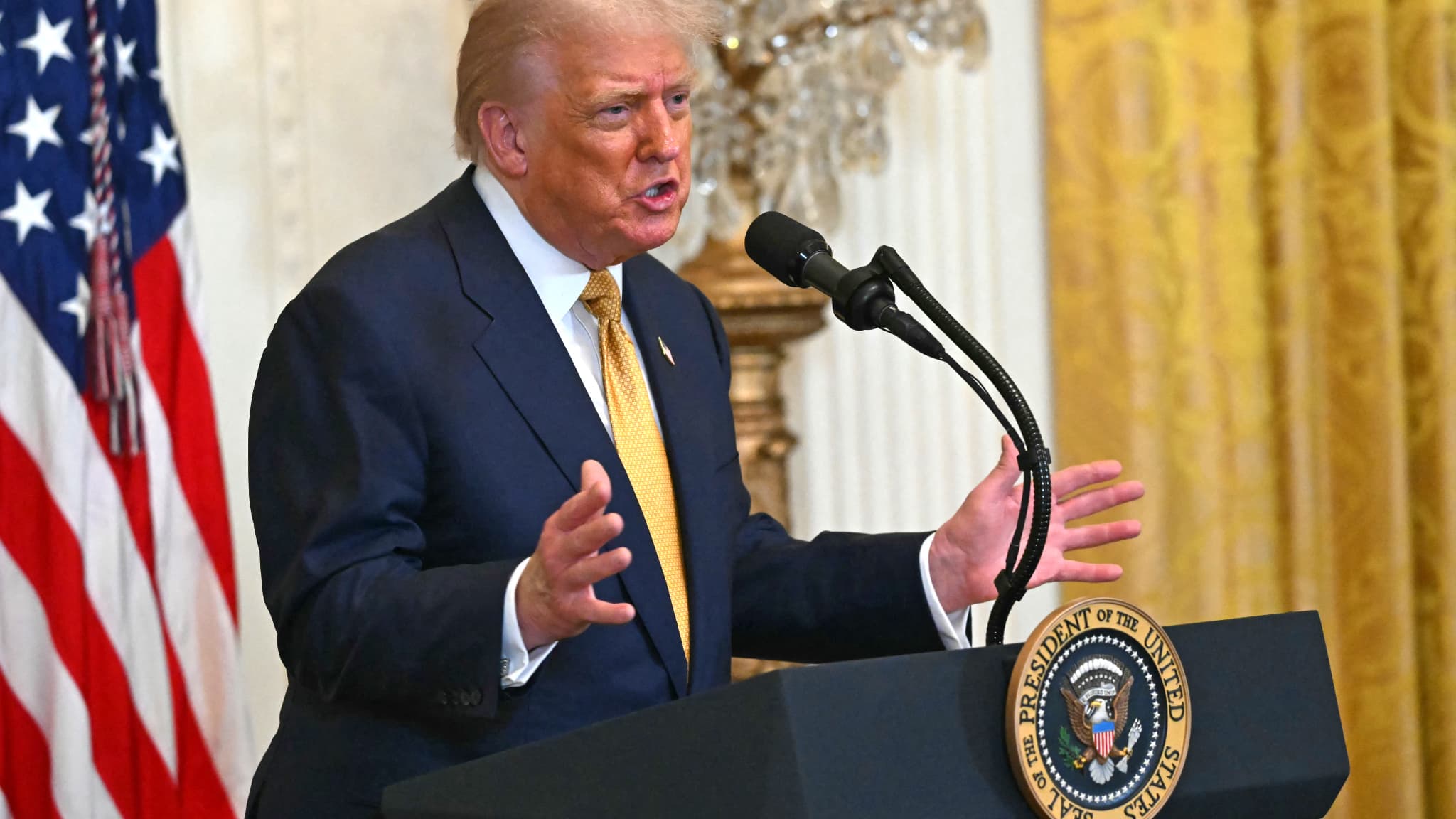
The friction centers on fears that Washington’s diplomatic outreach to Tehran provides Iran with dangerous economic and political leverage. Israeli officials worry that the White House may increasingly restrict their military latitude, specifically concerning operations against Hezbollah in Lebanon. These concerns are compounded by Trump’s vocal frustration with Prime Minister Benjamin Netanyahu’s handling of regional conflicts and his insistence on alternative ceasefire arrangements that some in Israel view as a pivot away from their traditional security requirements.
Internal U.S. politics further complicate the landscape. Long-standing Republican unanimity on Israel is showing cracks, as figures like Vice President JD Vance introduce a more cautious tone, and younger American voters signal waning support for current Israeli military campaigns. Although Netanyahu’s inner circle reportedly dismisses Trump’s rhetoric as election-year posturing rather than a structural shift, the situation has emboldened calls within Israel for greater strategic independence. Analysts are now urging the government to bolster domestic defense manufacturing and diversify international partnerships to mitigate the risk of a less predictable American commitment.



Comments (0)
No comments yet. Be the first!