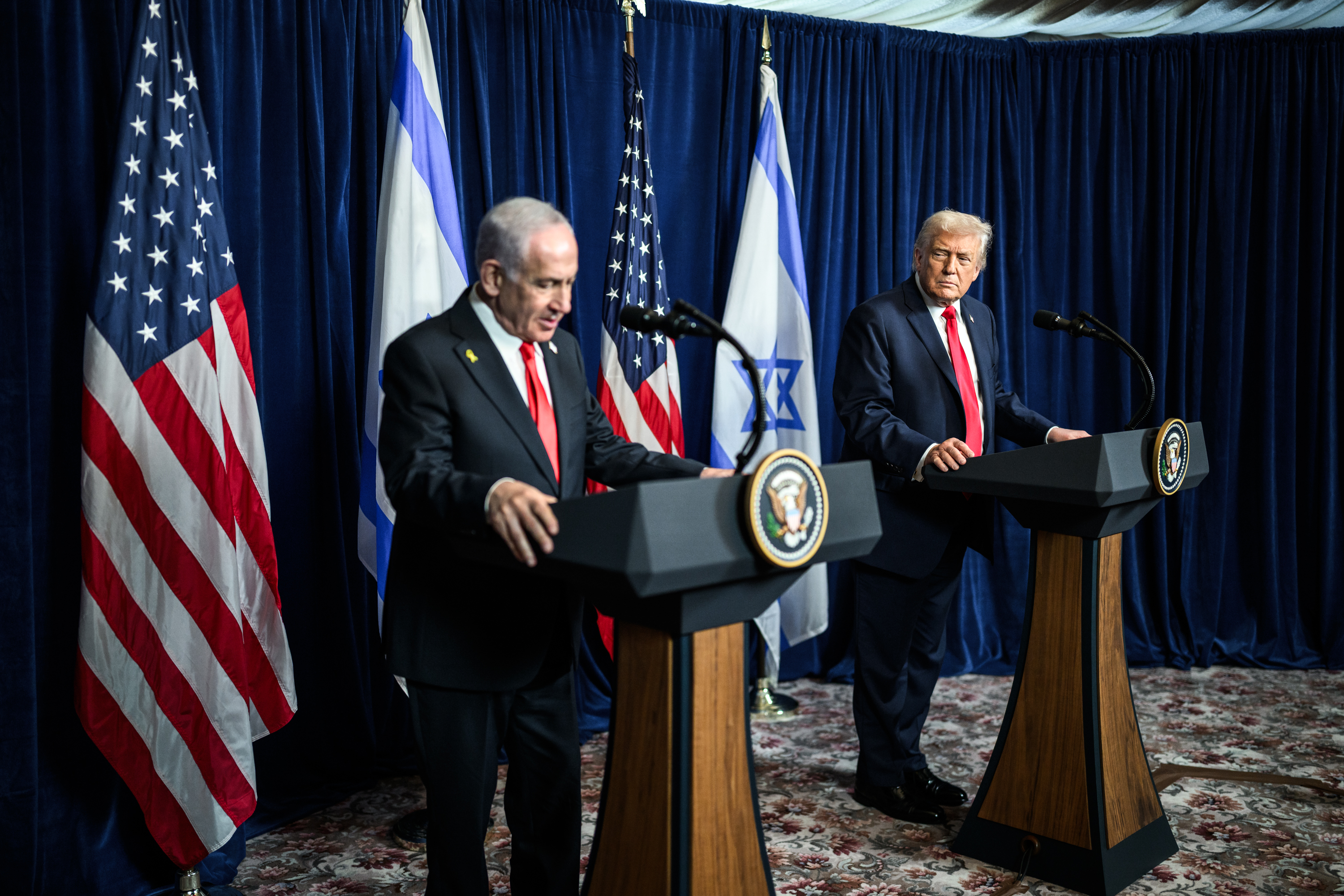
The atmosphere at the JNS International Policy Summit in Jerusalem reflected a profound shift in sentiment. While U.S. Ambassador Mike Huckabee championed an unbreakable bond between the two nations, attendees openly grappled with the implications of the president’s recent rhetoric. Conservative commentator Mark Levin, despite deep reservations regarding the Iran agreement, urged the audience to maintain perspective, framing the administration’s broader ideological commitments as a continued safeguard for Israeli interests.
Tensions have been exacerbated by the president’s blunt demands for a ceasefire with Hezbollah and public rebukes of Prime Minister Benjamin Netanyahu’s military strategy. Even Vice President JD Vance has adopted a sharper tone, signaling that unconditional support for Israel is no longer a given within the Republican Party. This evolution mirrors broader polling data from the Pew Research Center, which shows a marked increase in unfavorable views toward Israel among younger American conservatives.
Despite the friction, two Israeli officials familiar with the Prime Minister's internal assessments suggest that Netanyahu views these outbursts as political theater aimed at swaying voters ahead of the November midterm elections. Nevertheless, the instability has prompted a quiet reevaluation among some Israeli lawmakers. Ohad Tal, chair of the Knesset’s U.S.-Israel caucus, argues that the current climate necessitates a new national strategy. He believes Israel must accelerate the development of independent military and technological capabilities to prepare for a future where American backing may no longer be as reliable as it once was.



Comments (0)
No comments yet. Be the first!