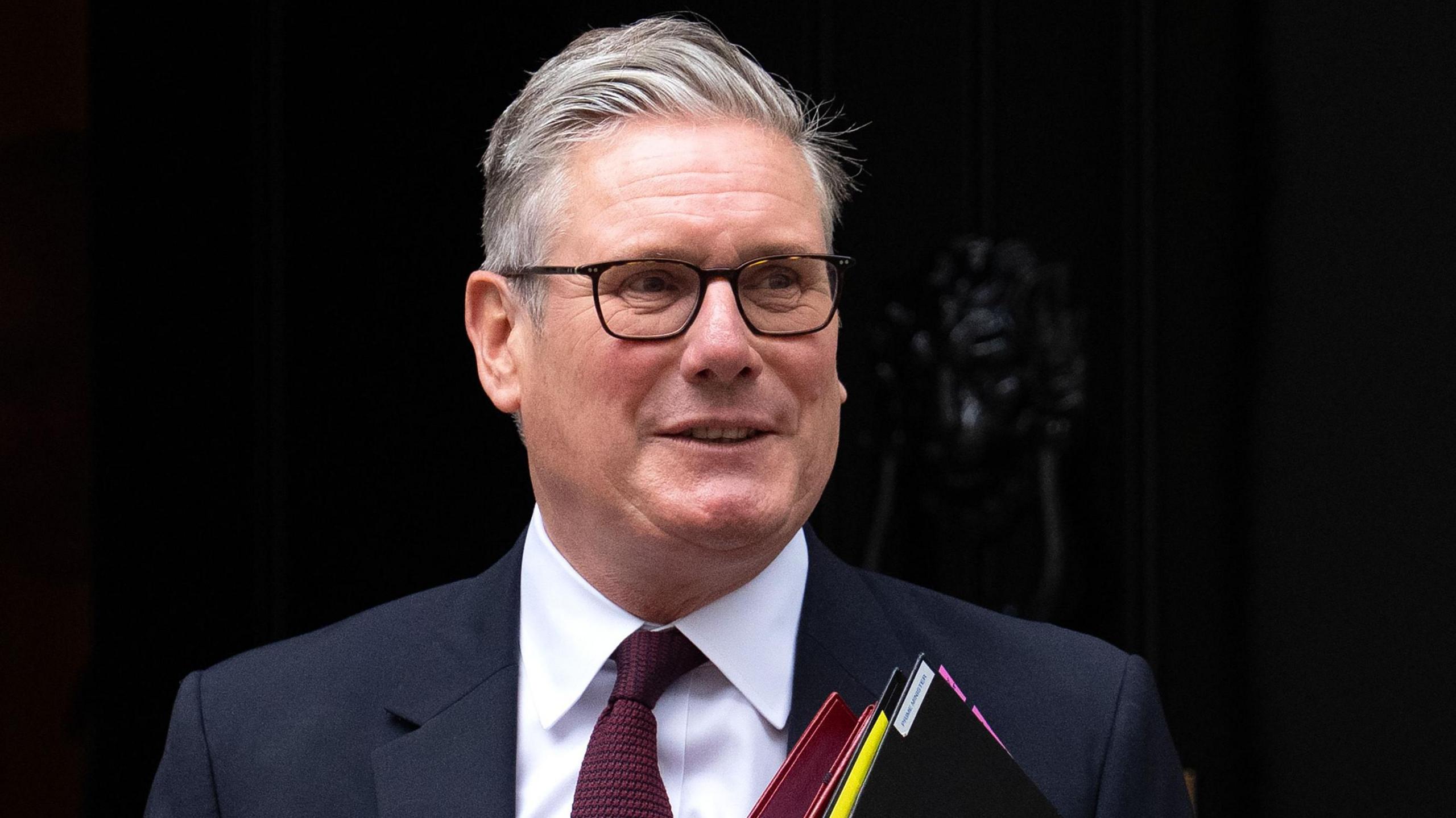
Sinha described the leadership change as a predictable outcome of mounting pressures on the Labour government. Despite commanding a parliamentary majority of over 400 seats, the party struggles to maintain cohesion while trailing in public opinion polls and contending with the rising influence of Nigel Farage’s Reform party. While potential successor Andy Burnham possesses significant political experience and a strong mandate, his move toward a more left-leaning ideological platform could alienate the broader electorate during a period of intense economic strain.
The transition arrives at a moment of profound structural vulnerability. Britain’s economy has underperformed since its departure from the European Union, a situation exacerbated by the mismanagement of the COVID-19 pandemic and the rapid-fire turnover of previous administrations under Boris Johnson, Liz Truss, and Rishi Sunak. Sinha characterized this period as a 'shambolic' era that has left the nation navigating treacherous waters. Starmer has requested that the Labour Party’s National Executive Committee initiate a leadership contest starting July 9, promising to remain in office until a successor is confirmed to ensure an orderly transfer of power before Parliament reconvenes in September.


Comments (0)
No comments yet. Be the first!