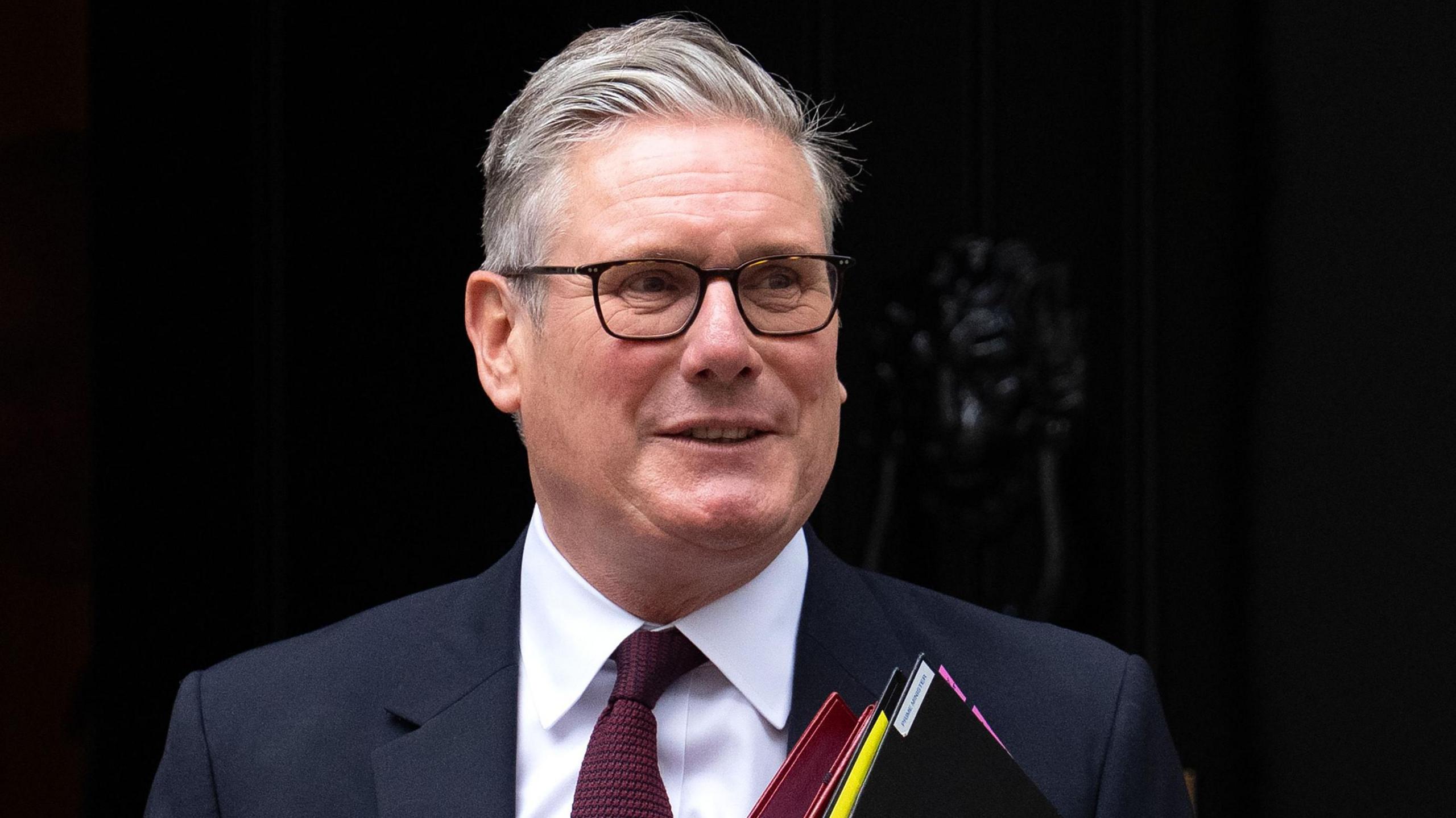
The roots of this instability reach back to the 2016 vote to leave the European Union, which triggered the departure of David Cameron. His successor, Theresa May, struggled to secure a parliamentary mandate, eventually yielding to Boris Johnson. Johnson oversaw the formal exit from the EU in 2020 but left office in 2022 following a series of scandals. The brief, 44-day tenure of Liz Truss and the subsequent term of Rishi Sunak failed to quell the underlying economic pressures, leading to the July 2024 election won by Starmer.
Starmer’s administration faced immediate friction upon taking office, particularly after proposing a budget heavy on tax increases to cover structural deficits. Business leaders criticized the move, while Reform UK gained significant traction in the polls. Internal dissent further weakened his position, culminating in the resignations of Health Minister Wes Streeting and Defense Minister John Healey. With Greater Manchester Mayor Andy Burnham securing a strong electoral win and signaling potential leadership ambitions, the Labour Party finds itself in a precarious position, leaving the future of British governance in flux.


Comments (0)
No comments yet. Be the first!