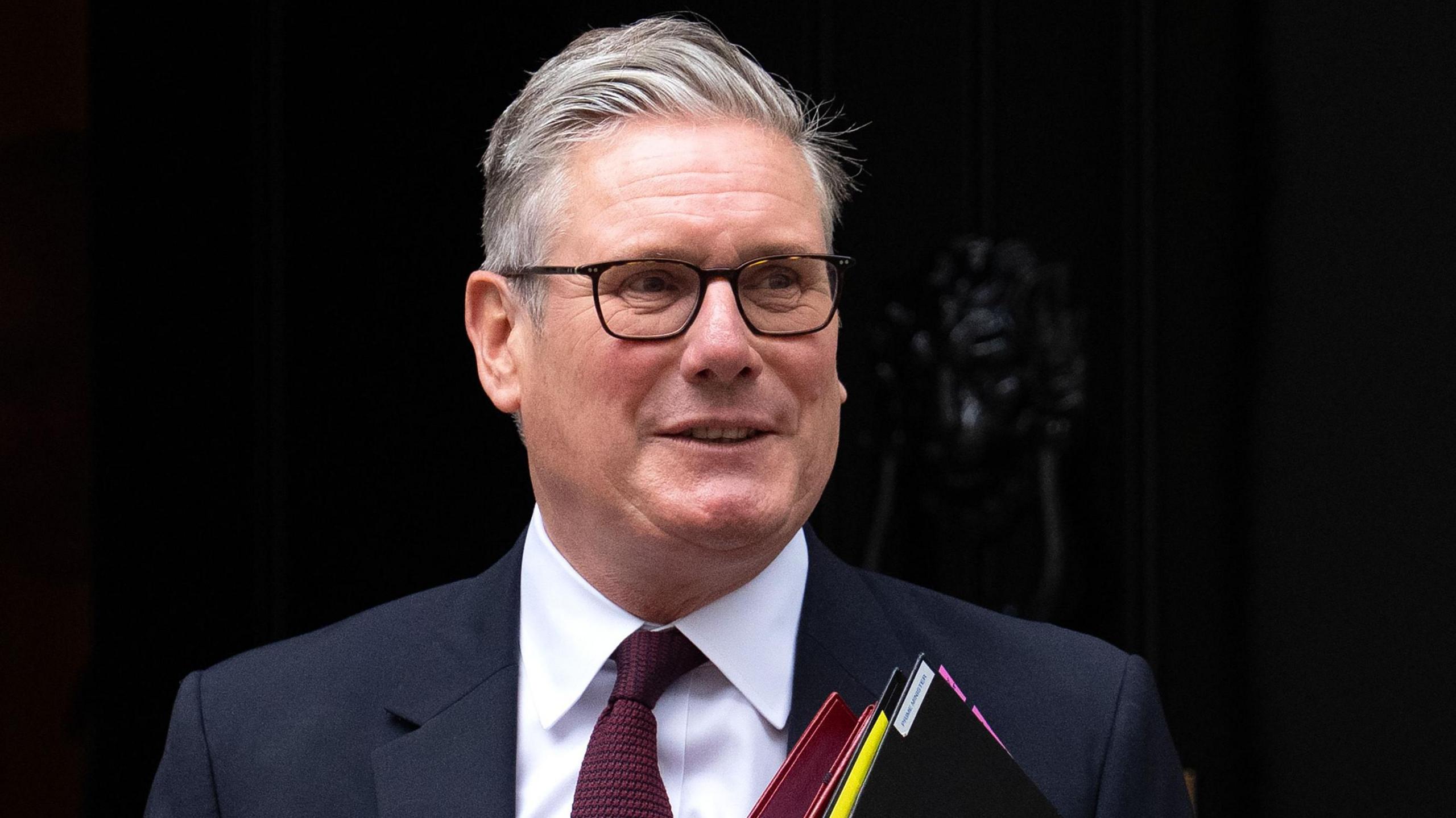
The pattern of failure has become a defining feature of modern British governance. Like his predecessors, Starmer struggled to reverse declining living standards that have plagued the country since the 2008 financial crisis. Years of austerity, exacerbated by the immense fiscal strain of the COVID-19 pandemic and global volatility, have left the government with little room to maneuver. National debt now nears 100% of GDP, and high borrowing costs continue to suppress the purchasing power of the lowest-earning 40% of the population.
Historians and policy experts point to a deeper rot within the system. Former government adviser Sam Freedman argues that Britain suffers from excessive centralization, leaving state institutions ill-equipped to manage modern challenges. Meanwhile, veteran lawmaker Roger Gale observes a decline in political culture, where the pressure of social media and 24-hour news cycles forces hasty, poorly drafted legislation. As the nation looks toward a successor—potentially Greater Manchester mayor Andy Burnham—the fundamental question remains whether any leader can craft a coherent vision to restore public trust. Without a structural shift, the next occupant of Downing Street risks falling into the same cycle of frustration that claimed Starmer, Liz Truss, and Boris Johnson before him.



Comments (0)
No comments yet. Be the first!