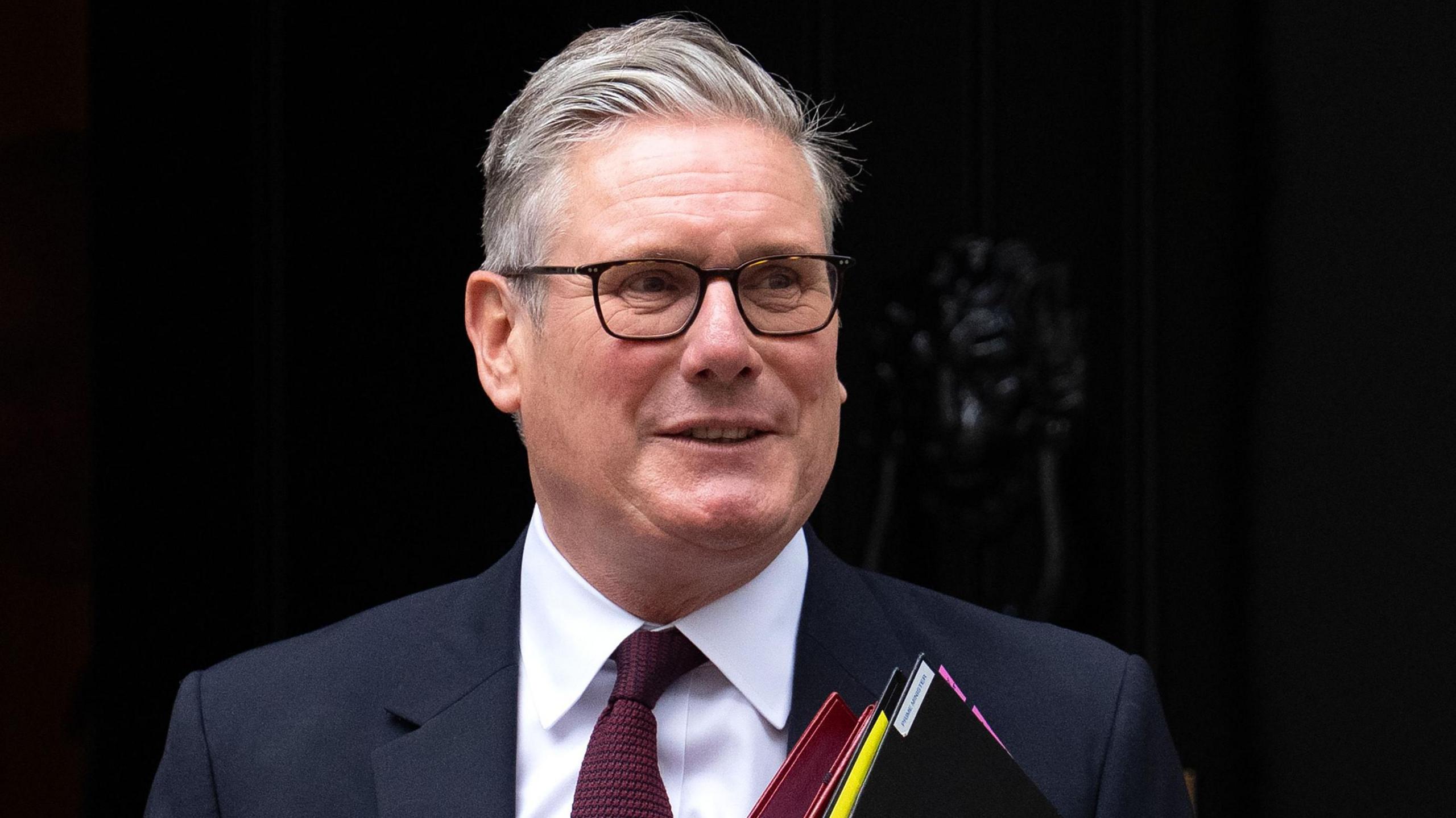
Standing on the steps of Downing Street, Starmer accepted the loss of his parliamentary support with what he described as good grace. While his departure could have ignited a chaotic leadership struggle, the political landscape appears to be shifting toward a swift coronation. Former health minister Wes Streeting has already pledged his backing to Burnham, signaling a consolidation of support behind the 56-year-old former mayor. Burnham marked his return to Westminster by taking the oath of allegiance to King Charles, a prerequisite for his ascent to the premiership.
Starmer’s exit follows months of mounting pressure and waning support within his ranks, compounded by a general sense of voter disillusionment that has plagued the government for a decade. The catalyst for his final decision arrived Friday, when Burnham secured a decisive parliamentary victory in Makerfield. By defeating a candidate from Nigel Farage’s Reform UK, Burnham demonstrated a level of electoral appeal that many Labour lawmakers believe is essential to reverse the party’s declining fortunes. Markets reacted positively to the news, with the pound and government bonds rallying on the prospect of a more stable political transition.
Despite the expectation of a smooth handover, the path forward remains fraught with difficulty. Burnham inherits a nation grappling with anaemic economic growth and the highest borrowing costs among the G7 nations. Furthermore, Farage has already seized on the transition to demand an immediate national election, labeling the shift a mere shuffling of the political establishment. While Burnham has signaled a desire to lower the cost of living, his specific strategy for foreign affairs, defense, and fiscal policy remains largely undefined, leaving him with little room to maneuver against a restive electorate.
/nginx/o/2025/10/27/17242195t1h61eb.jpg)



Comments (0)
No comments yet. Be the first!