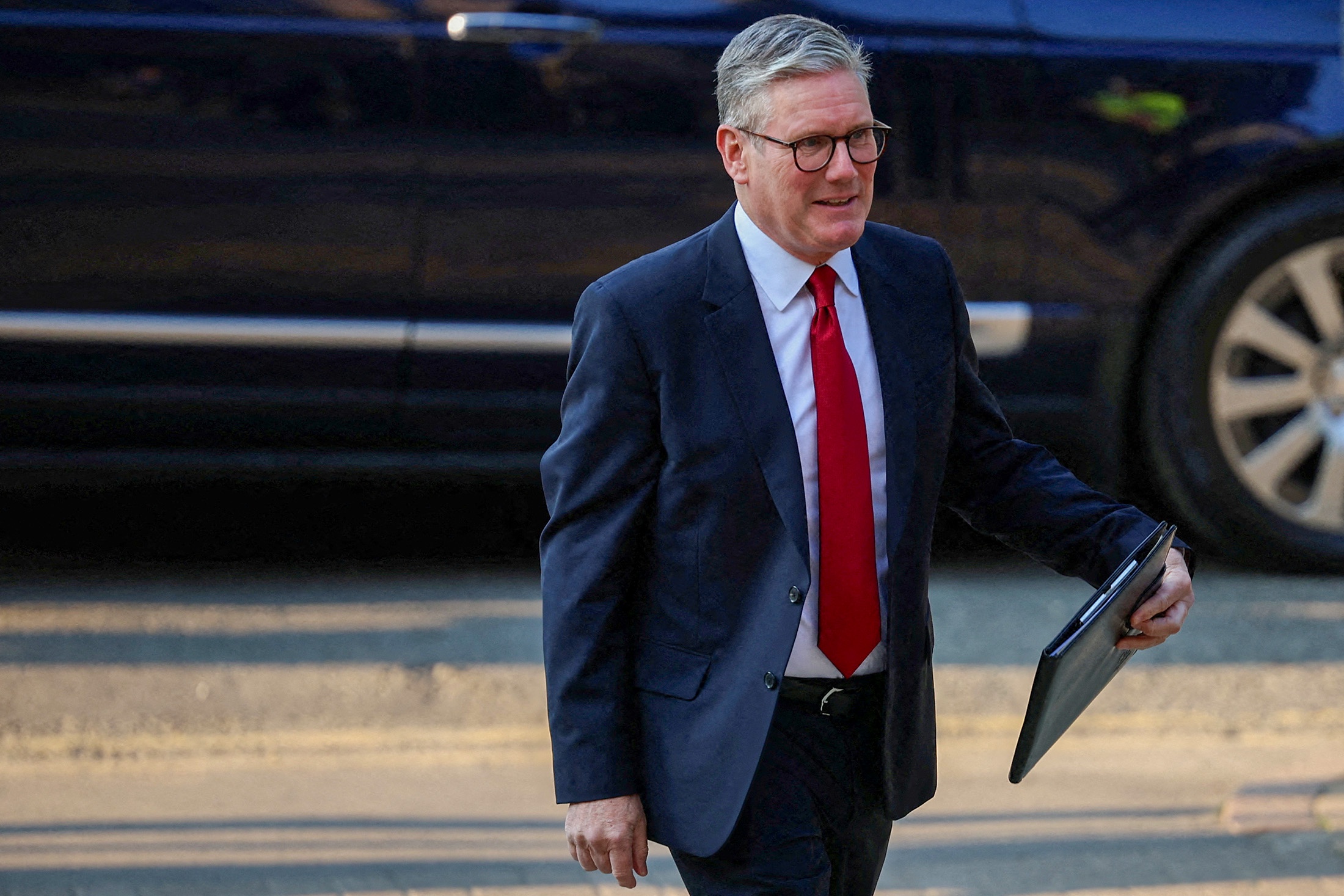
Starmer assumed power in July 2024 promising to end the cycle of instability that defined the post-Brexit era. However, his administration quickly faltered under the weight of an inherited economic deficit and a series of self-inflicted crises. The government’s fiscal strategy, headlined by Chancellor Rachel Reeves’ £40 billion tax hike, drew intense backlash from the business community, while the Prime Minister’s vetting processes faced scrutiny following the scandal surrounding Peter Mandelson’s short-lived tenure as ambassador to Washington.
Political authority eroded rapidly throughout 2026. A string of electoral defeats in local, Scottish, and Welsh contests signaled a collapse in public confidence, exacerbated by the surge of Nigel Farage’s Reform UK party. The internal disintegration of Starmer’s cabinet proved fatal: the resignations of Health Minister Wes Streeting and Defence Minister John Healey left the government hollowed out. With Greater Manchester Mayor Andy Burnham now positioned as the clear frontrunner to succeed him, the Labour Party faces a desperate scramble to reset its trajectory before the country’s political landscape shifts further toward the populist right.


Comments (0)
No comments yet. Be the first!