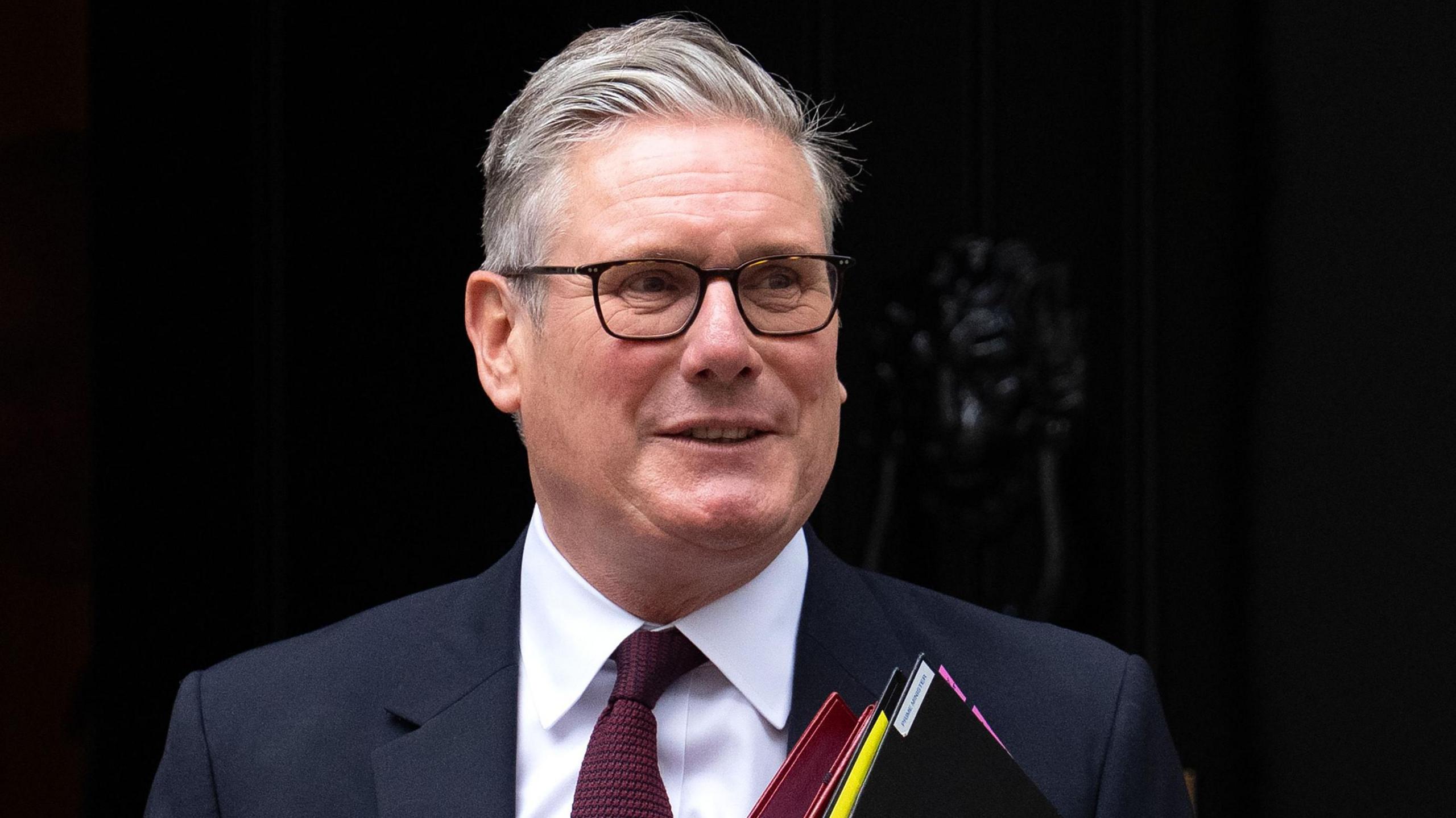
Starmer’s exit concludes a period of mounting internal pressure, exacerbated by Labour’s struggle to address widespread voter dissatisfaction. While the formal process for selecting a new leader begins with nominations on July 9, momentum is building for a swift coronation rather than a prolonged contest. The prospect of Andy Burnham, the 56-year-old former mayor, taking the helm has already been bolstered by the endorsement of former health minister Wes Streeting. Investors reacted positively to the news, with the pound and government bonds rallying on the expectation of a more stable political path.
Despite the push for an orderly handover, the transition remains fraught with structural difficulties. Burnham enters the role without a clearly defined agenda on critical issues like foreign policy, defense, and economic strategy. He faces the same daunting constraints that undermined his predecessor: anaemic economic growth, significant national debt, and the highest borrowing costs among the G7 nations. Furthermore, Reform UK leader Nigel Farage has already seized on the instability to demand a snap national election, framing the Labour transition as an establishment maneuver. As Burnham prepares to take his seat for Makerfield, he must navigate an electorate that has grown increasingly impatient with the political class's inability to deliver tangible change.
/nginx/o/2025/10/27/17242195t1h61eb.jpg)


Comments (0)
No comments yet. Be the first!