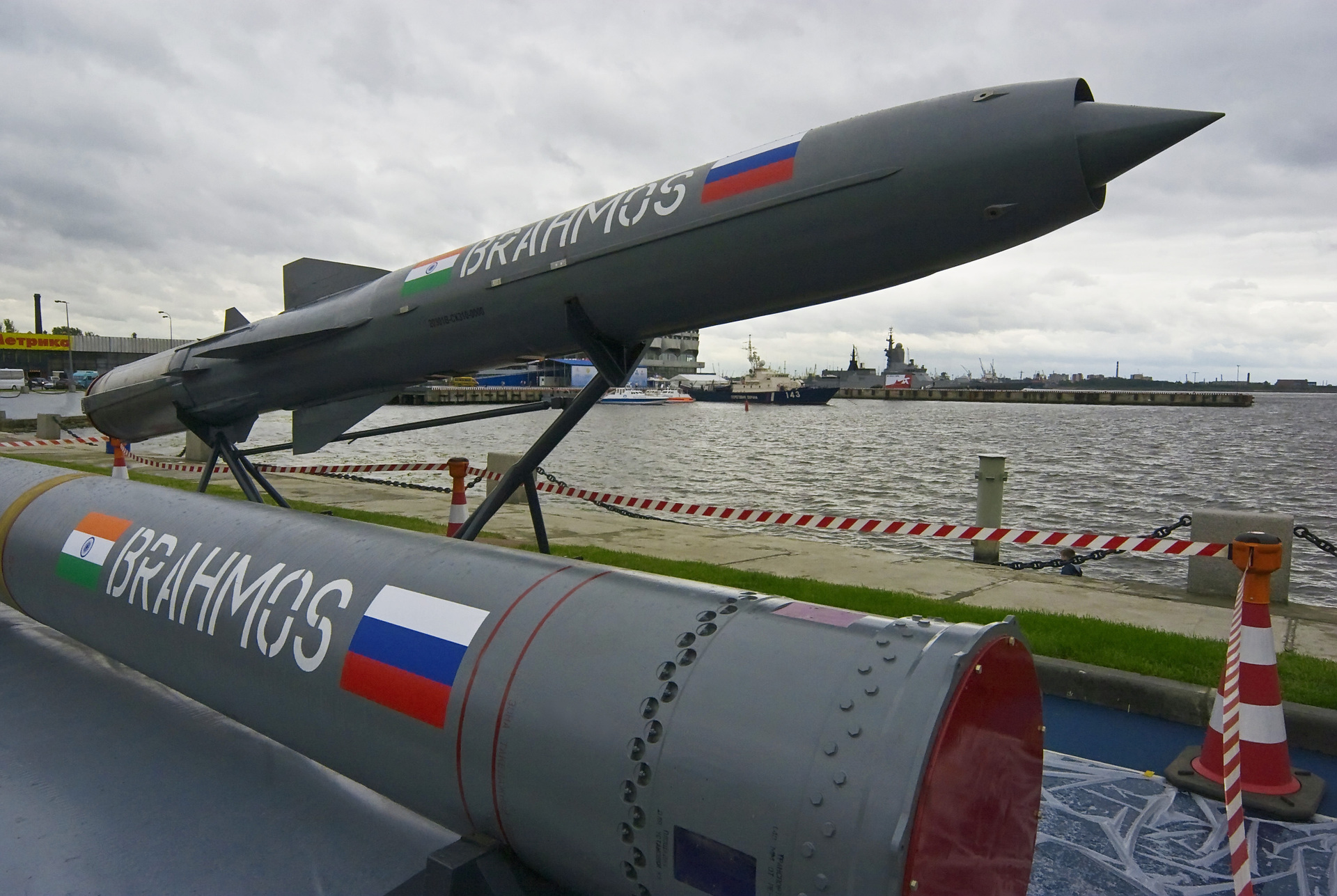
Discussions currently include the potential export of the Akashteer air defence system, a fully automated platform developed by Bharat Electronics Ltd and the Indian Army. While these negotiations remain in the initial stages, they are reportedly progressing rapidly. Any finalized sale of the BrahMos—a system jointly developed with Russia—would require formal approval from Moscow, though analysts suggest this is unlikely to present a diplomatic hurdle given the close ties between the Kremlin and Abu Dhabi.
For the UAE, the interest in Indian hardware aligns with a broader strategy to secure the Strait of Hormuz and bolster defenses against emerging threats. The Gulf nation has increasingly sought to build a diversified supplier base, moving beyond its historical reliance on U.S. equipment like the THAAD and Patriot systems. Strategic analysts note that deepening ties with India offer a dual advantage: enhancing military autonomy without creating friction with Washington, which remains the UAE’s primary security partner.
India’s push into the global arms market follows a sharp increase in its own defense production, with exports reaching over $4 billion in the fiscal year ending March 2026. Having already secured contracts for the BrahMos with the Philippines, Vietnam, and Indonesia, New Delhi views these potential Gulf partnerships as a critical component of its regional influence. These efforts serve as a form of strategic signaling, reflecting a shift in geopolitical alignments as India seeks to solidify its status as a major global defense exporter.



Comments (0)
No comments yet. Be the first!