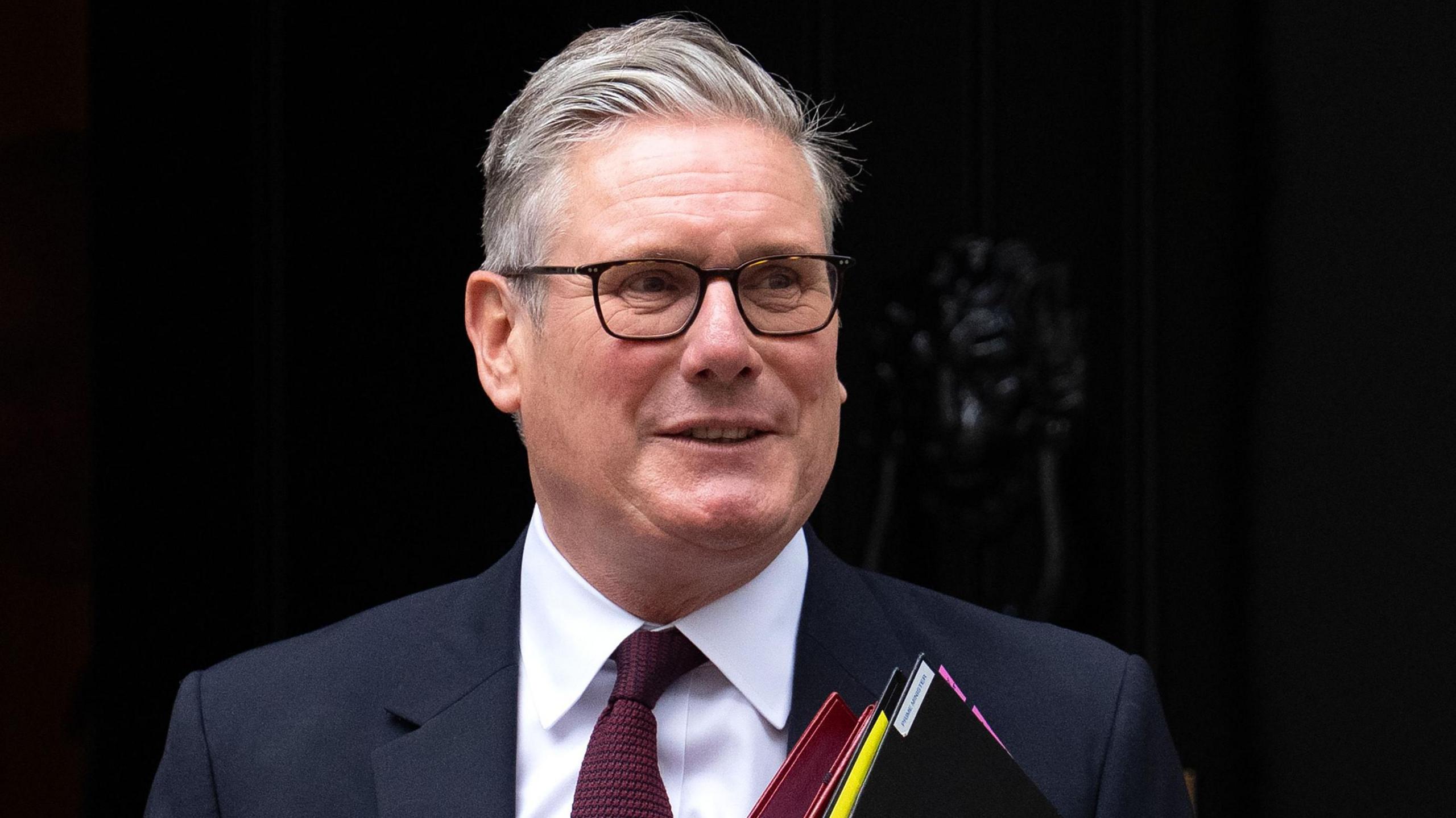
The former prosecutor, who rose to power by promising pragmatism and stability, ultimately found himself unable to articulate a coherent vision for the country. Starmer’s government struggled to translate its electoral mandate into tangible results, hampered by a lack of direction that left both voters and his own parliamentary party disillusioned. As his support evaporated, the 63-year-old leader faced increasing calls to resign following disastrous local election results and a string of damaging policy U-turns.
Internal frustration grew as the administration failed to resolve chronic issues in the national health service and economic growth, leaving his team unable to counter a narrative of indecision. The appointment of Peter Mandelson, coupled with controversies over donations, further alienated the public and eroded Starmer's authority within his own cabinet. Behind closed doors, loyal allies eventually pressured him to facilitate an orderly transition rather than endure a protracted leadership contest.
While Starmer found some success on the international stage—notably in his efforts to support Ukraine and manage delicate relations with the U.S.—domestic instability proved fatal. The rise of the populist Reform party, led by Nigel Farage, intensified the pressure on Labour to find a new leader capable of defending its electoral base. As Starmer prepares to hand over power, attention has shifted to former Greater Manchester mayor Andy Burnham, who is widely viewed as the candidate best positioned to challenge the populist surge in the next general election.


Comments (0)
No comments yet. Be the first!