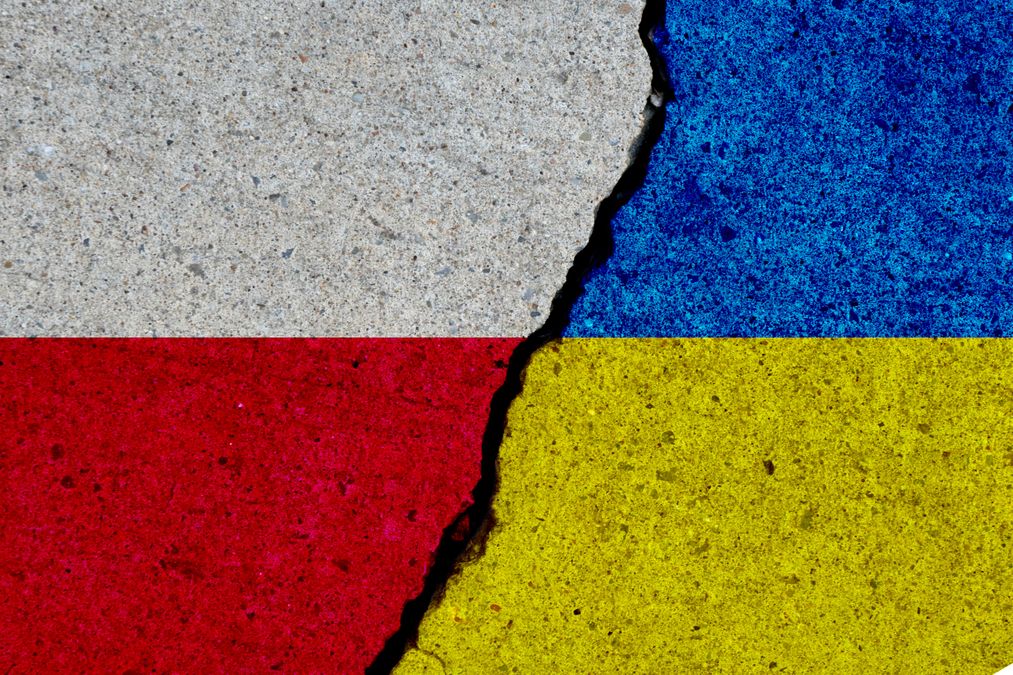
The UPA, which fought for Ukrainian independence by oscillating between resistance against the Soviet Red Army and alliances with Nazi Germany, remains a symbol of national liberation in Ukraine. Kyiv maintains that the recent naming of the unit is intended solely to honor soldiers fighting against modern Russian aggression, explicitly denying any anti-Polish intent. For Warsaw, however, the UPA is synonymous with the Volhynia massacres of 1943–1945, which Polish historians characterize as a targeted genocide.
This historical deadlock is further complicated by the political ascent of Karol Nawrocki. The conservative Polish leader, who recently stripped Zelenskiy of a top national honor, has leveraged the dispute to challenge Kyiv’s reluctance regarding the exhumation of massacre victims. While limited progress has been made on allowing Polish researchers access to sites in the Liuboml district, tensions remain high. Nawrocki has also signaled a departure from established Polish policy by suggesting he would block Ukraine’s NATO accession to avoid further provoking Russia, a stance that has deepened the divide between the two neighbors despite their shared security interests.


Comments (0)
No comments yet. Be the first!