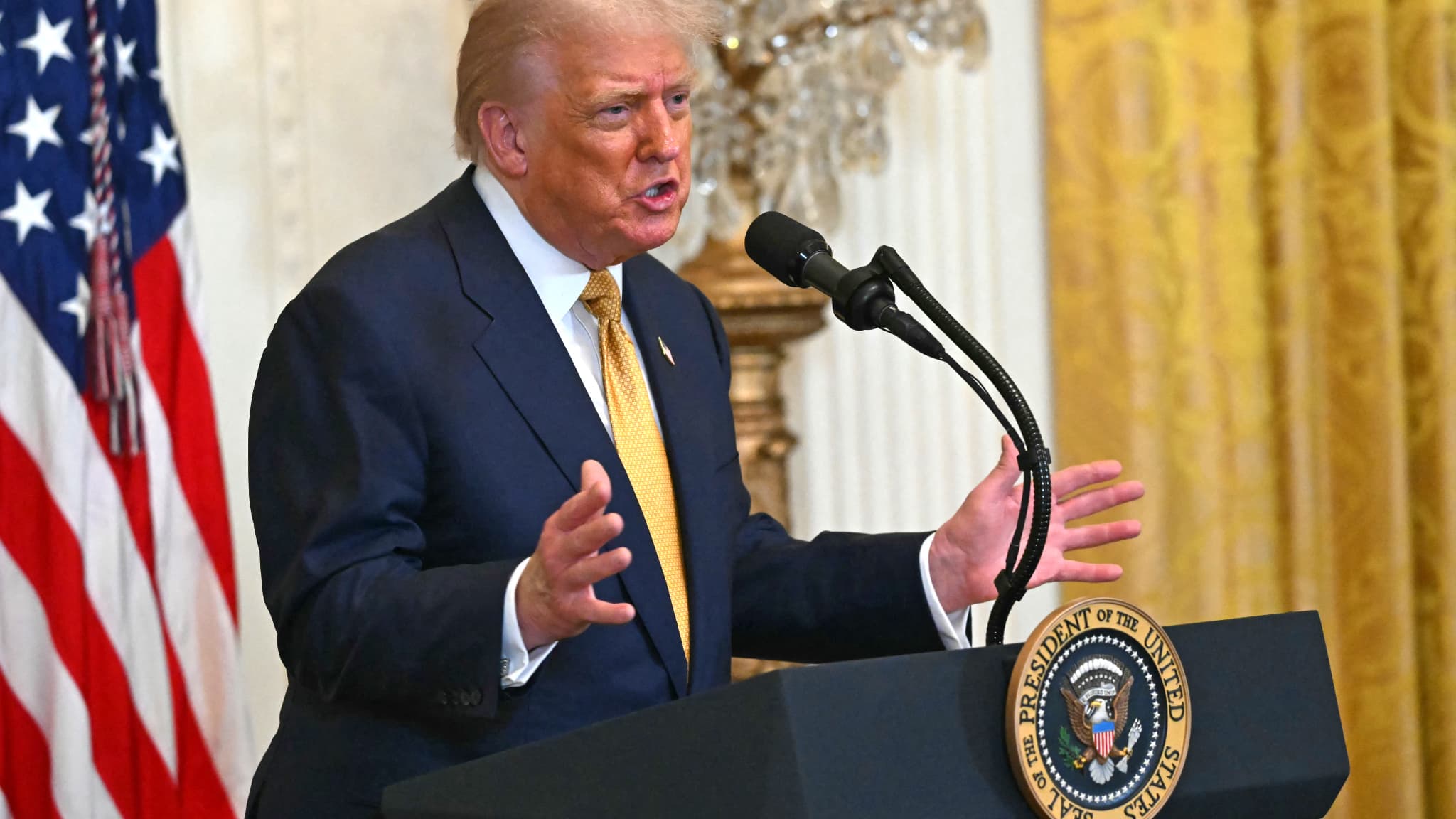
The negotiations at the Buergenstock resort follow a memorandum of understanding signed last week, intended to extend a tenuous ceasefire through the next 60 days. Despite the diplomatic setting, the atmosphere remained fractured. Trump issued a stark warning on social media, demanding Iran curb its proxies in Lebanon or face a response harder than previous strikes. Sources indicate the President also warned Iranian officials directly that closing the vital energy corridor would result in catastrophic consequences for their country.
Inside the summit, the divide between rhetoric and reality was palpable. Vice President Vance characterized the diplomatic friction as expected, telling reporters the administration remains committed to transforming the bilateral relationship. However, Iranian Foreign Minister Abbas Araqchi avoided public interaction with the U.S. delegation, focusing instead on mediators. While a U.S. official claimed progress on keeping maritime traffic moving, commercial shipping data suggests otherwise, with transit through the Strait of Hormuz effectively stalling. Iran maintains that the closure is a direct response to the failure of the U.S. to ensure a lasting halt to Israeli strikes in Lebanon, leaving the broader nuclear agenda sidelined for the time being.

Comments (0)
No comments yet. Be the first!