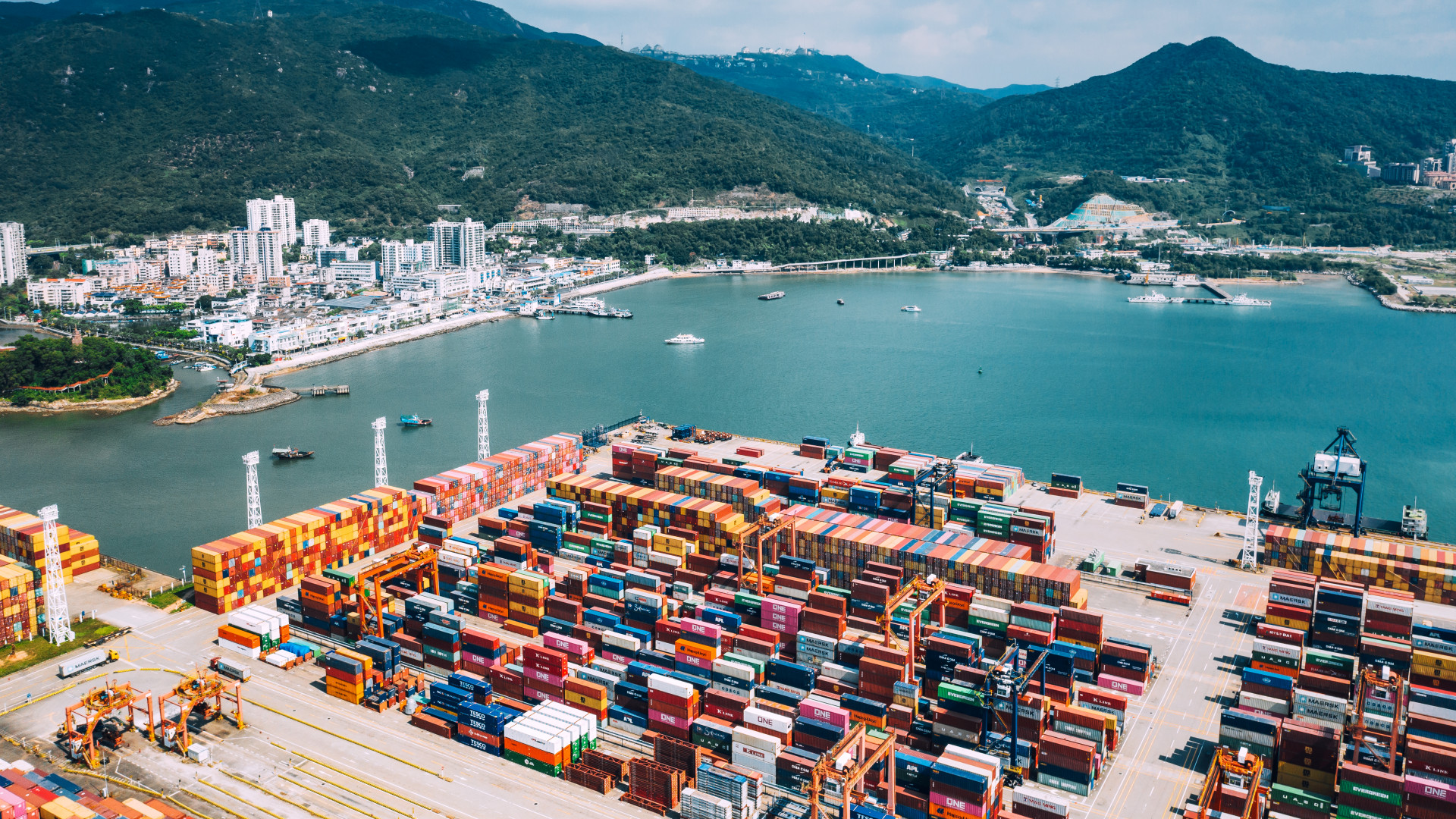
The widening gap between robust export figures and domestic weakness highlights the incomplete transition of the world’s second-largest economy. For years, Beijing has prioritized a shift toward consumption-led growth to shed its historical reliance on state investment and overseas demand. Yet, current data suggests that households and businesses remain deeply cautious, hampered by falling property values and stagnant confidence. While export-oriented manufacturers thrive, the broader economy remains hostage to external factors beyond Beijing’s control.
Policymakers face an increasingly narrow path forward. Aggressive stimulus could revive spending, but it risks exacerbating existing debt burdens and property-sector volatility. Conversely, maintaining the status quo leaves the recovery uneven and vulnerable to shifting global trade policies. Ultimately, the sustainability of China’s growth hinges on its ability to foster internal demand, a goal that remains elusive as households prioritize savings over consumption. Until private sector confidence catches up to industrial output, the economy will continue to navigate this precarious balancing act.



Comments (0)
No comments yet. Be the first!