The diplomatic mission, led by Iranian chief negotiator Mohammad Baqer Qalibaf and Foreign Minister Abbas Araqchi, faces immediate pressure following Tehran's declaration that the vital shipping lane will remain shuttered until a durable ceasefire in Lebanon is established and oil sanctions are eased. U.S. Vice President JD Vance arrived in Switzerland for the discussions, which were initially intended to address regional hostilities and the reopening of the strait.
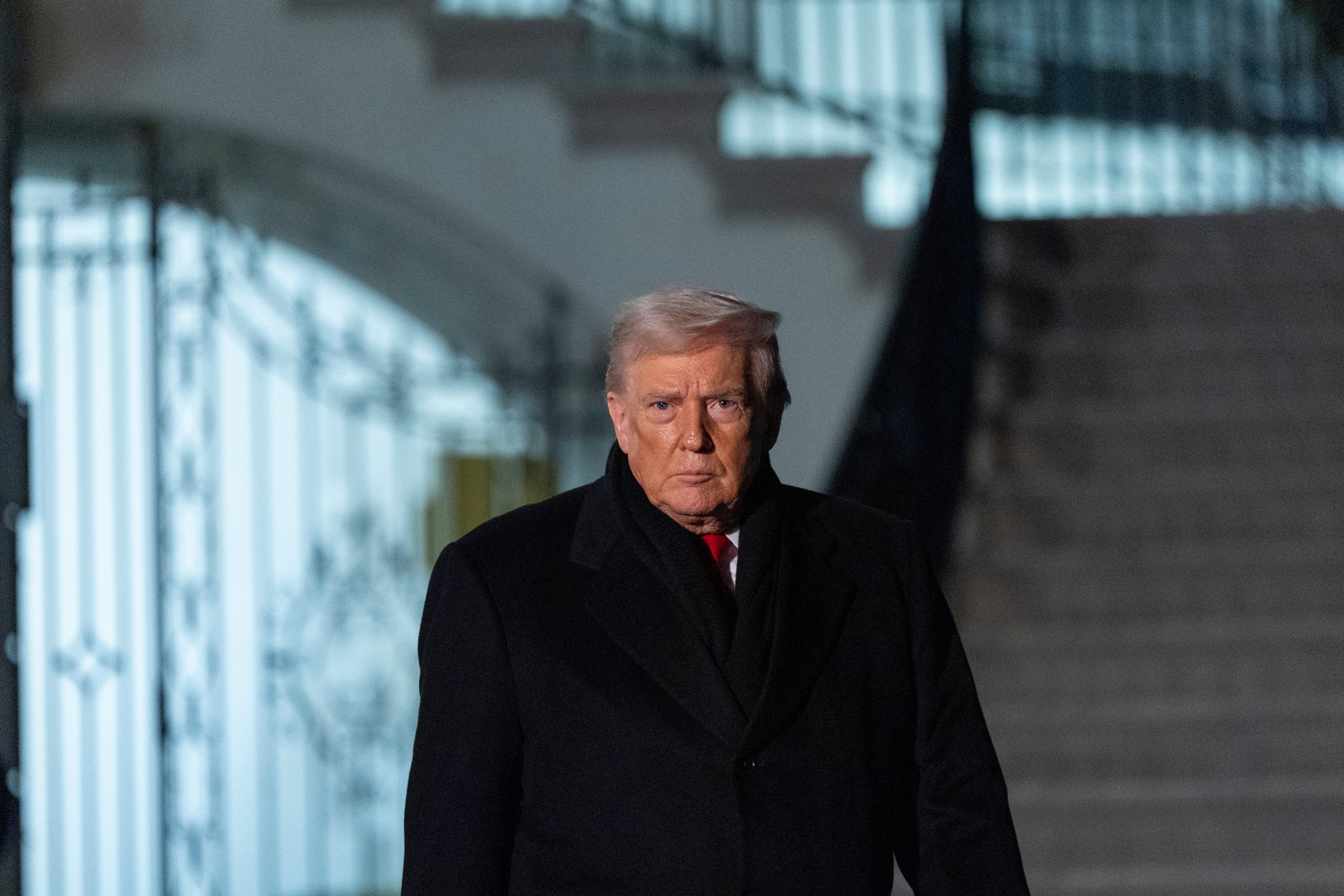
Simultaneously, U.S. President Donald Trump addressed the standoff, clarifying that while no tolls would be levied during the current 60-day ceasefire, the U.S. reserves the right to impose charges should the negotiations collapse. The situation remains volatile; despite a ceasefire agreement, Israeli Defense Minister Israel Katz confirmed that troops in Lebanon retain full authority to engage threats, underscored by recent strikes that killed at least 20 people. As these geopolitical fractures widen, the international community watches whether these Swiss-based talks can resolve the impasse or if the closure of the Hormuz waterway will escalate into a broader economic crisis.

Comments (0)
No comments yet. Be the first!