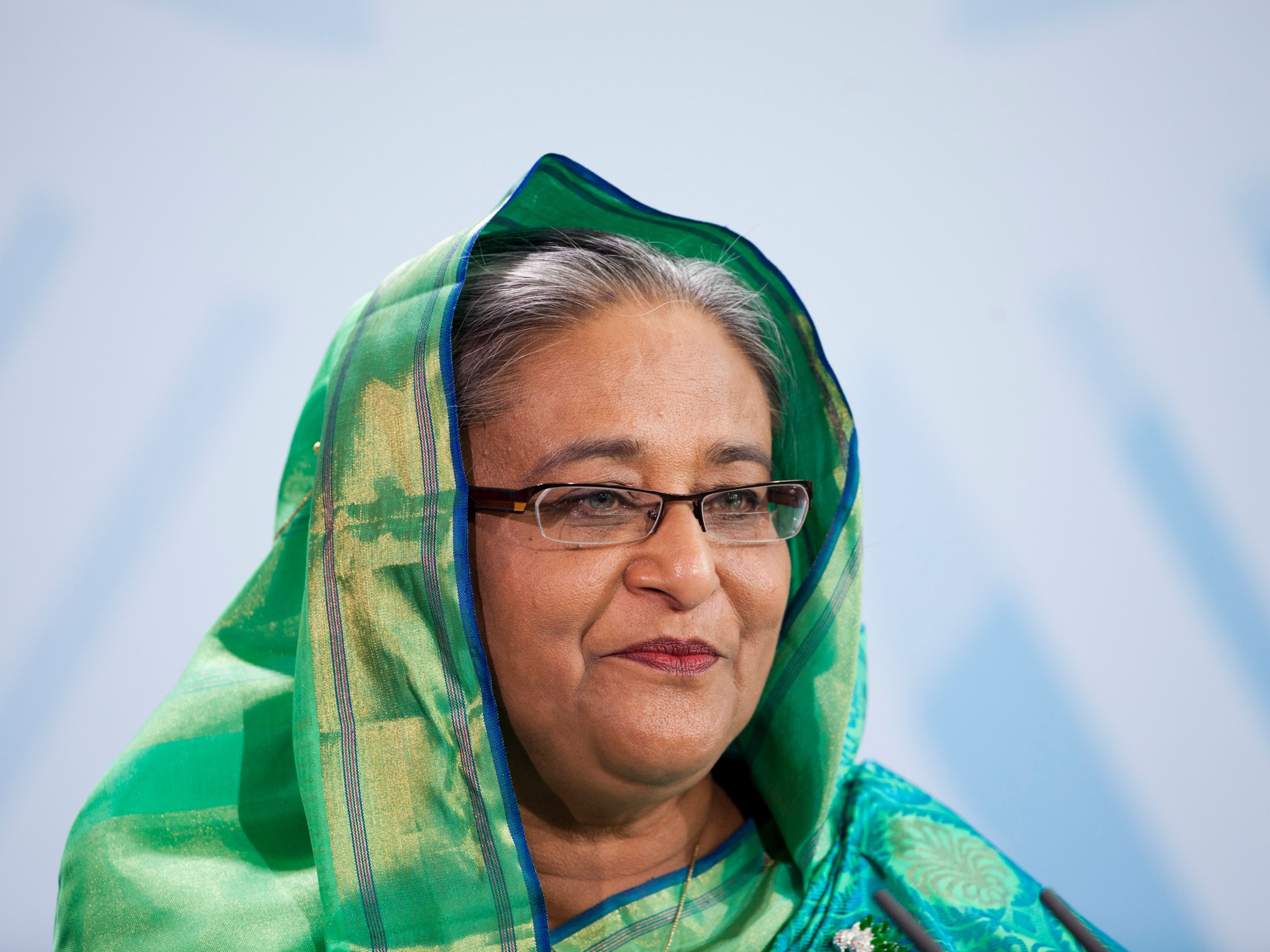
Nowfel, speaking in New Delhi, framed the party's current predicament as a familiar hurdle in its long history of surviving military-led suppression. He insisted that the Awami League remains adept at political maneuvering, pledging to continue public demonstrations and grassroots campaigning despite the restrictions imposed by the current Dhaka establishment. The strategy relies on consolidating public opinion to create a political environment safe enough for Hasina’s homecoming.
While the former minister focused on domestic resilience, the discourse surrounding the party's future took a sharper turn with comments from Hasina's son, Sajeeb Wazed. Wazed warned of a broader geopolitical crisis, characterizing the current state of Bangladesh as a potential security vacuum on India’s eastern flank. He explicitly linked the shift in governance to the influence of foreign intelligence, specifically the ISI, suggesting that the region could become a new base for global terrorist threats if the situation remains unchecked.
Despite these security concerns, Nowfel maintained that the fundamental bond between India and Bangladesh rests on people-to-people connections rather than specific administrations. He argued that shared culture and economic interdependencies ensure that bilateral relations will persist regardless of who holds power in Dhaka. As Hasina publicly vows to face imprisonment or physical danger to return, the Awami League prepares to test its institutional endurance against the prevailing government, marking the beginning of a high-stakes political standoff.


Comments (0)
No comments yet. Be the first!