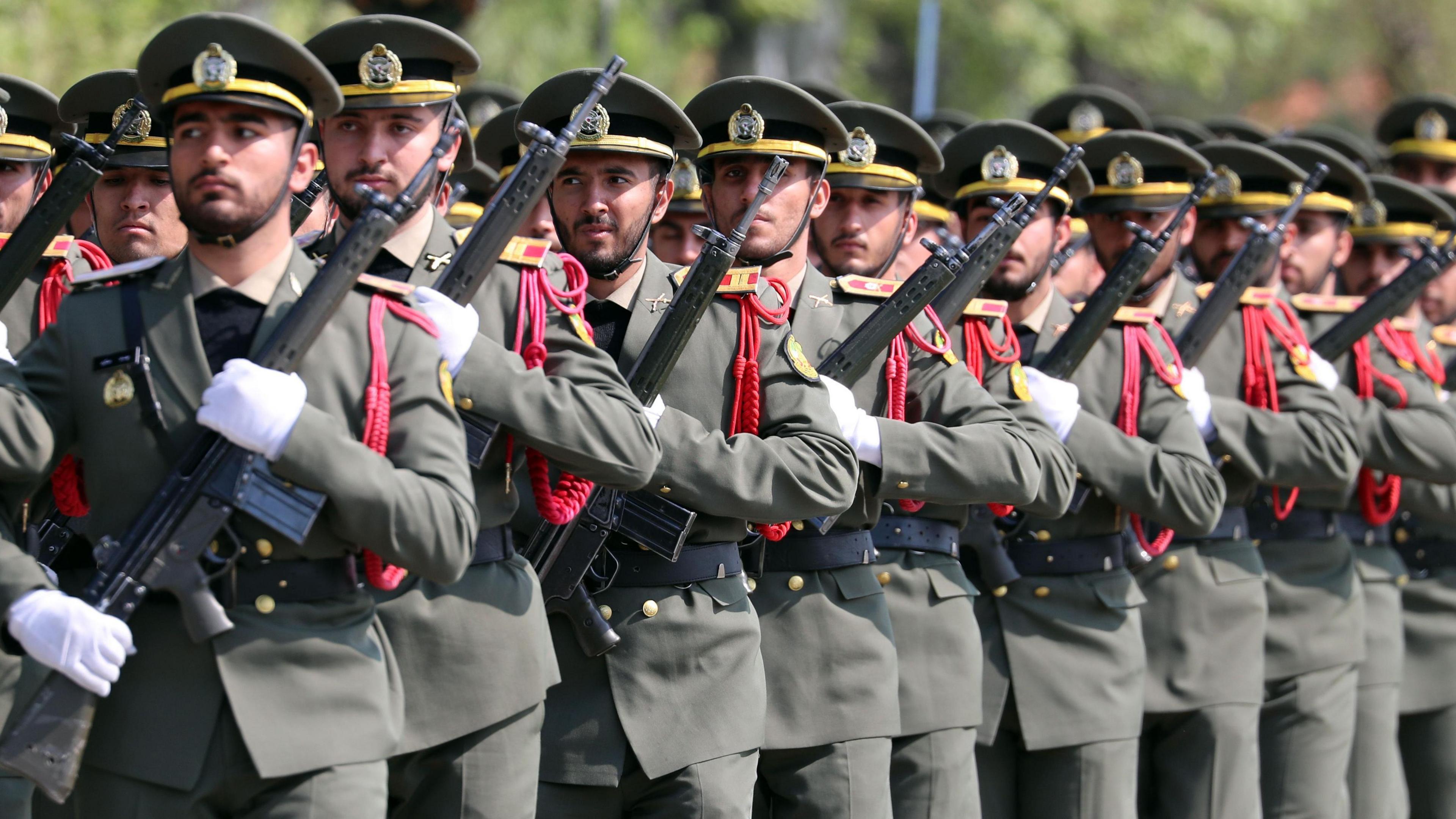
The organization, originally founded by Ayatollah Ruhollah Khomeini, has evolved into a sprawling commercial empire. Following the death of Ayatollah Ali Khamenei during the conflict that erupted on February 28, the IRGC has shifted its posture to publicly support a peace deal, a move analysts view as a strategic play to solidify its domestic standing. Because the Guard manages the illicit networks that successfully bypassed years of U.S. restrictions, they possess the unique infrastructure required to funnel new investment into their own coffers.
This economic dominance creates a legal minefield for international firms. Under Iranian law, foreign investors must partner with local entities, many of which are tethered to the IRGC. Even if a diplomatic breakthrough lifts broader national sanctions, companies engaging with these local partners risk violating secondary regulations still targeting the Guard. The IRGC’s experience in navigating the 'maximum pressure' campaign initiated in 2018 under President Trump has only sharpened their ability to maintain control over key sectors. Consequently, any reconstruction funds or oil export waivers granted to Tehran will likely bypass civilian channels, strengthening an organization that remains classified as a terrorist group by the United States and its allies.


Comments (0)
No comments yet. Be the first!