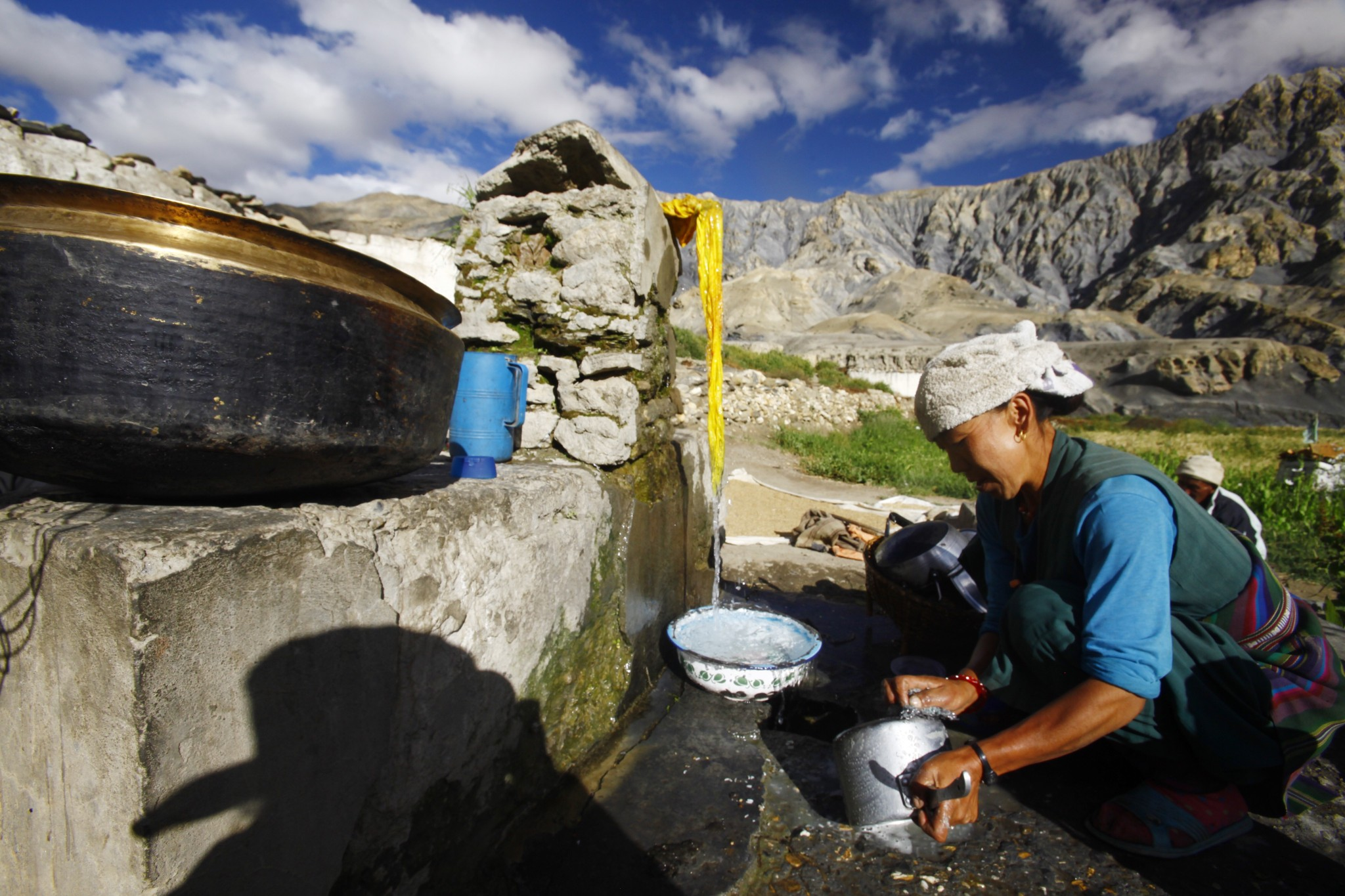
The Integrated Water Supply and Sewerage Management Project addresses a critical infrastructure deficit as local authorities face mounting pressure on basic utilities. The investment covers the construction of 64 tube wells and treatment facilities capable of processing 60 million liters of water daily. Beyond the 2,100 kilometers of new distribution pipelines, the initiative prioritizes social equity, targeting 72,000 households—specifically vulnerable families and women-headed properties—for direct piped connections.
Infrastructure and Climate Resilience
The scope extends to sanitation, with upgrades to drainage networks and the installation of fecal sludge treatment plants serving 120,000 properties to mitigate public health risks. A substantial $75 million of the budget is earmarked for climate adaptation, an effort projected to reduce annual greenhouse gas emissions by 22,000 tons of carbon dioxide equivalent. The total project cost stands at $143.8 million, with the Nepalese government contributing $28.8 million. Implementation, managed by the Ministry of Infrastructure Development, will integrate digital management tools and long-term sustainability frameworks to ensure these municipal systems can support future urban expansion.



Comments (0)
No comments yet. Be the first!