The Middle East remains the focal point of international concern as Israel and Hezbollah confirmed a ceasefire following an escalation that threatened broader stability. U.S. envoy Steve Witkoff is reportedly heading to Switzerland to initiate talks regarding a potential nuclear deal with Iran, even as scheduled U.S.-Iran discussions in Burgenstock were unexpectedly postponed. Meanwhile, in New York, diplomatic tensions reached a breaking point at the United Nations, where Israeli Ambassador Danny Danon engaged in a heated confrontation with UN official Pramila Patten over allegations of bias in a conflict report.
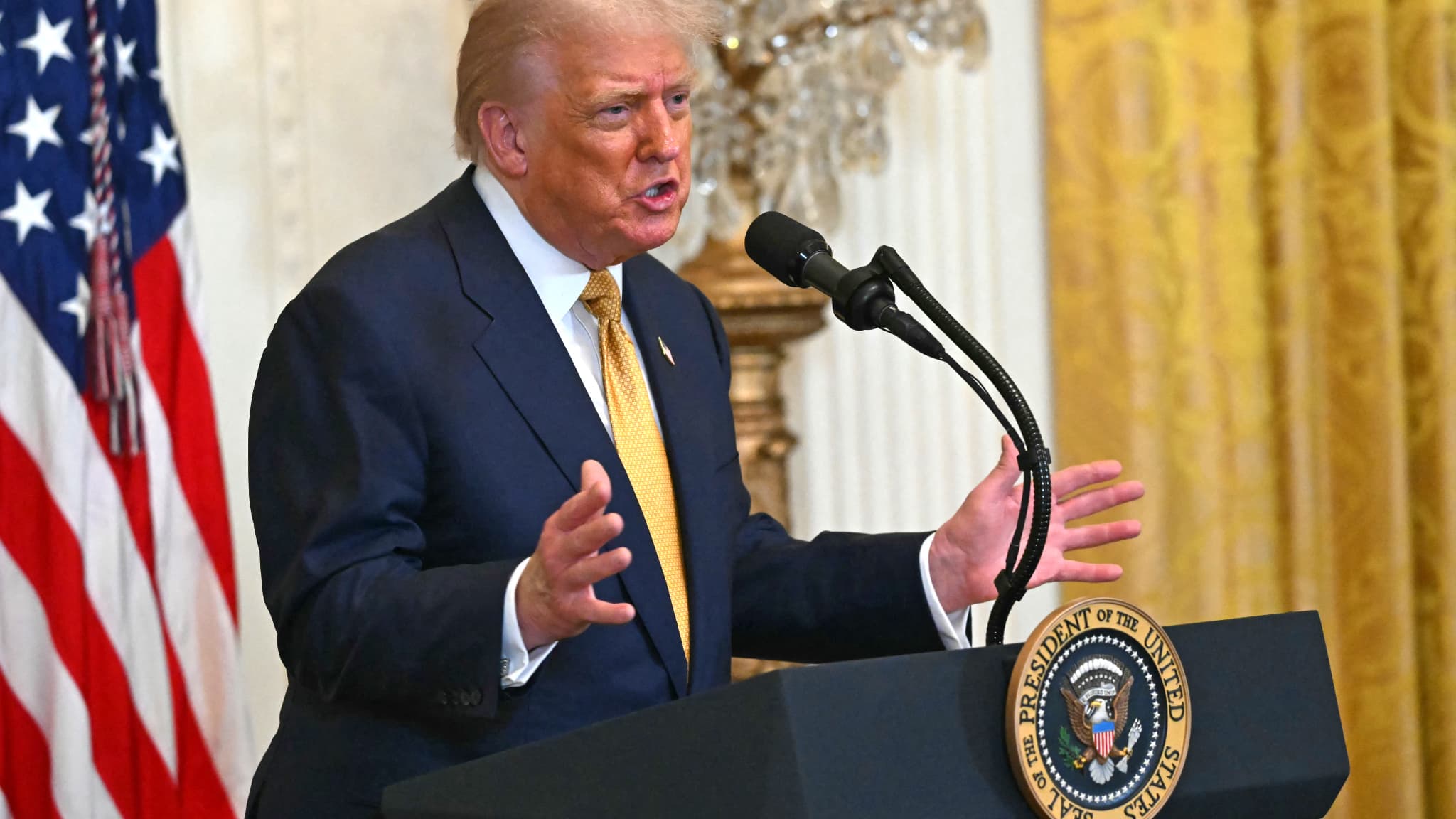
Elsewhere, political instability is brewing in the United Kingdom and Bolivia. British Prime Minister Keir Starmer has vowed to resist a leadership challenge from rival Andy Burnham following the latter’s decisive parliamentary victory. In South America, President Rodrigo Paz reached a tentative agreement with the COB labor union, aiming to end 50 days of paralyzing protests that have left the country on the brink of collapse. These domestic pressures coincide with Poland stripping Ukrainian President Volodymyr Zelenskiy of a top national honor, further straining relations between the two neighbors. As U.S. President Donald Trump prepares for a weekend at Camp David, his administration continues to navigate these overlapping crises, including the integration of a new Boeing 747 into the Air Force One fleet.




Comments (0)
No comments yet. Be the first!