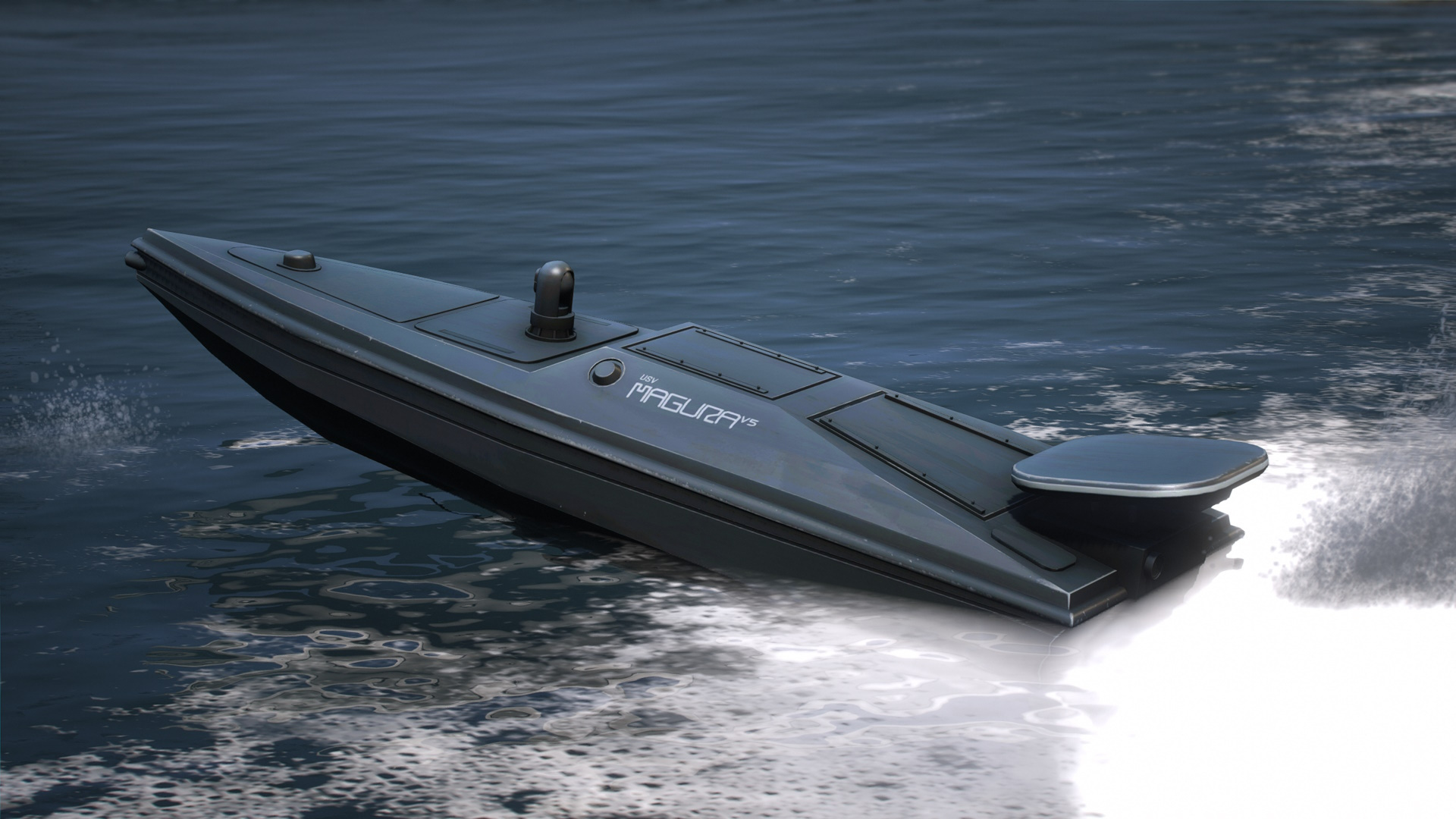
UFORCE, a leading developer of maritime attack drones, recently initiated talks with Japanese officials to establish local production lines. The move follows successful U.S. military exercises in the South China Sea where Ukrainian-style waterborne drones effectively neutralized target vessels. For Kyiv, the objective is twofold: capitalizing on a surge in regional defense spending and securing manufacturing hubs that circumvent Chinese export restrictions on critical components.
Japan, which recently relaxed its long-standing arms export prohibitions, has emerged as the primary target for these firms. While Tokyo’s defense budget now allocates nearly $2 billion for unmanned systems, domestic manufacturers still struggle to scale production to meet the aggressive targets set by the government. Ukrainian companies such as Skyeton and General Cherry see this gap as an opening to provide both hardware and combat expertise. Beyond Japan, industry groups are exploring partnerships in Taiwan, where military commanders are prioritizing the creation of an "unmanned hellscape" to deter potential amphibious invasions.
Tech firms like Swarmer have already begun field-testing AI-driven swarm software in Japan, facilitated by local partners. Simultaneously, the Ukrainian drone association IRON is working to integrate Taiwanese suppliers into their production cycles, replacing reliance on Chinese-made microelectronics and cameras. As maritime friction intensifies from the Philippines to the Taiwan Strait, Kyiv’s defense sector is positioning itself as an essential partner for U.S. allies attempting to modernize their naval and aerial defenses under the threat of a widening conflict.



Comments (0)
No comments yet. Be the first!