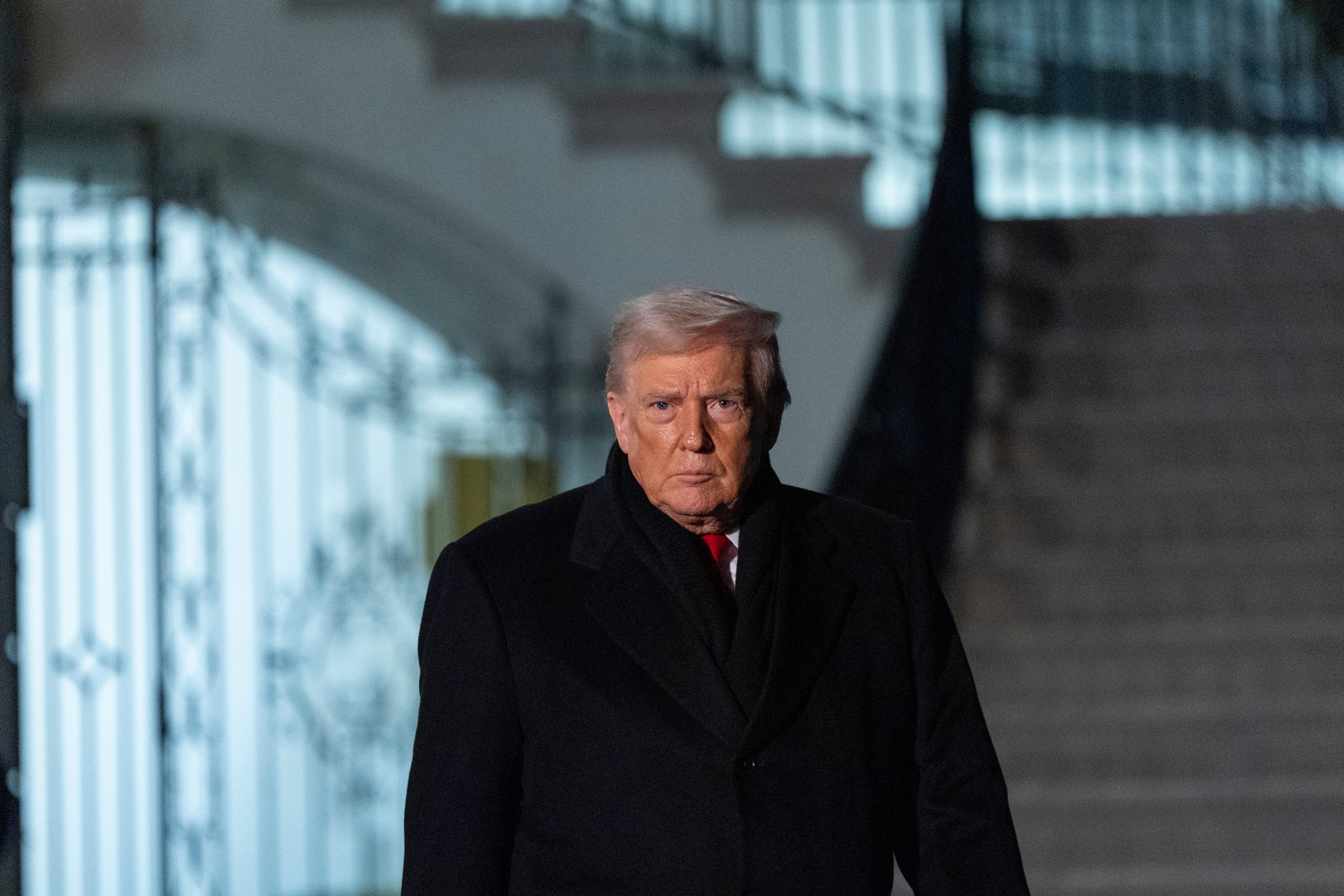
Trump told reporters at the Oval Office that discussions were occurring at the request of regional partners, including Saudi Arabia and the United Arab Emirates. He framed the situation as a closing window for Iran to reach an agreement to end the war, which has seen repeated threats of military strikes followed by sudden cancellations. This cycle persisted through the weekend when Trump abandoned planned attacks, again citing the prospect of diplomatic progress.
Tehran dismissed the narrative entirely. Foreign Ministry spokesman Esmail Baghaei stated that no negotiations are occurring and no meetings are on the calendar. According to Baghaei, Iranian officials remain in the country, with Foreign Minister Abbas Araqchi currently on a religious pilgrimage in Iraq. The only active communication, officials noted, involves discussions with Oman regarding the management of the Strait of Hormuz.
Despite the denial, Trump doubled down on Truth Social, branding Iran’s leadership as duplicitous and insisting that further meetings are scheduled for the immediate future. He reiterated claims of U.S. naval dominance over the Strait of Hormuz, declaring a "Wall of Steel" policy intended to force either a deal or total surrender. The strategic waterway remains the primary friction point; Washington argues a collapsed June memorandum mandates Iranian concessions, while Tehran maintains full authority over transit traffic.
The inability to resolve the status of the strait has kept global oil prices sensitive, with Brent crude futures sliding roughly 5% to $83.52 following the latest retreat from military action. Meanwhile, incidents at sea continue, with the UKMTO reporting an explosion near a vessel in the strait overnight, underscoring the ongoing security risks despite the rhetorical focus on potential diplomacy.




Comments (0)
No comments yet. Be the first!