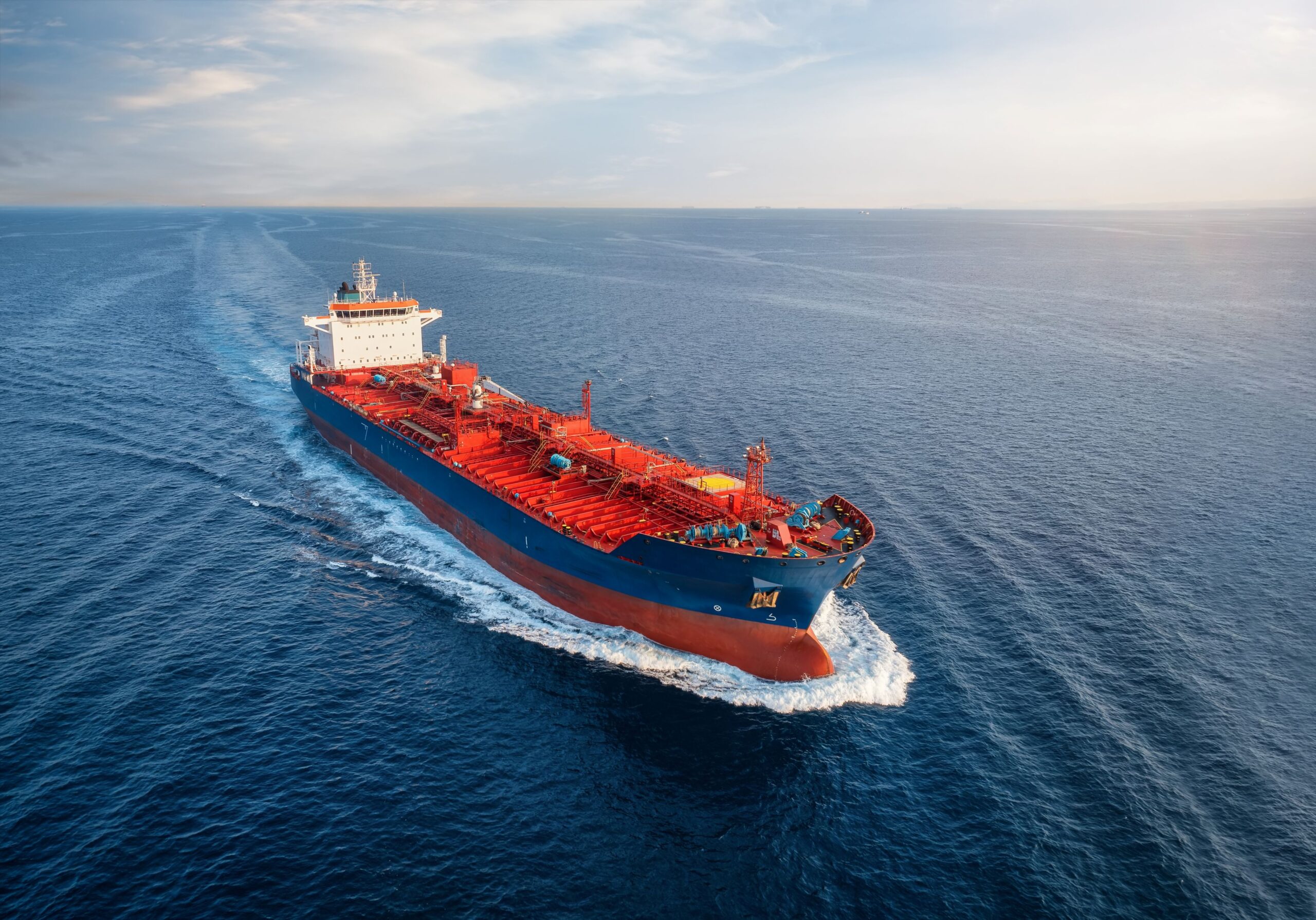
Commercial vessels—ranging from crude tankers to liquefied petroleum gas carriers—have begun navigating the waterway again, abandoning the previous practice of concealing positions to avoid military detection. State energy firms in Kuwait and Abu Dhabi are already moving to capitalize on the reopening, launching new sales tenders as producers look to ramp up export volumes that were stifled during months of conflict.
Yet, this operational recovery remains shadowed by looming regulatory friction. Iranian state media and maritime advisories suggest Tehran may soon require vessels to obtain permits or coordinate transit directly with Revolutionary Guard naval forces. Industry leaders argue that such measures, potentially coupled with new insurance charges or transit fees, clash with established maritime norms governing an international energy corridor.
Geopolitical stability remains elusive, underscored by the recent postponement of follow-up negotiations in Switzerland and the cancellation of a diplomatic trip by Vice President JD Vance. With mine-clearing operations still underway in the Gulf, shipowners and energy traders are pivoting their focus from the threat of kinetic warfare to the high cost of navigating Tehran’s opaque new regulatory demands. The market is currently pricing in a fragile peace, where the absence of missiles does not yet guarantee the return of predictable, unfettered trade.


Comments (0)
No comments yet. Be the first!