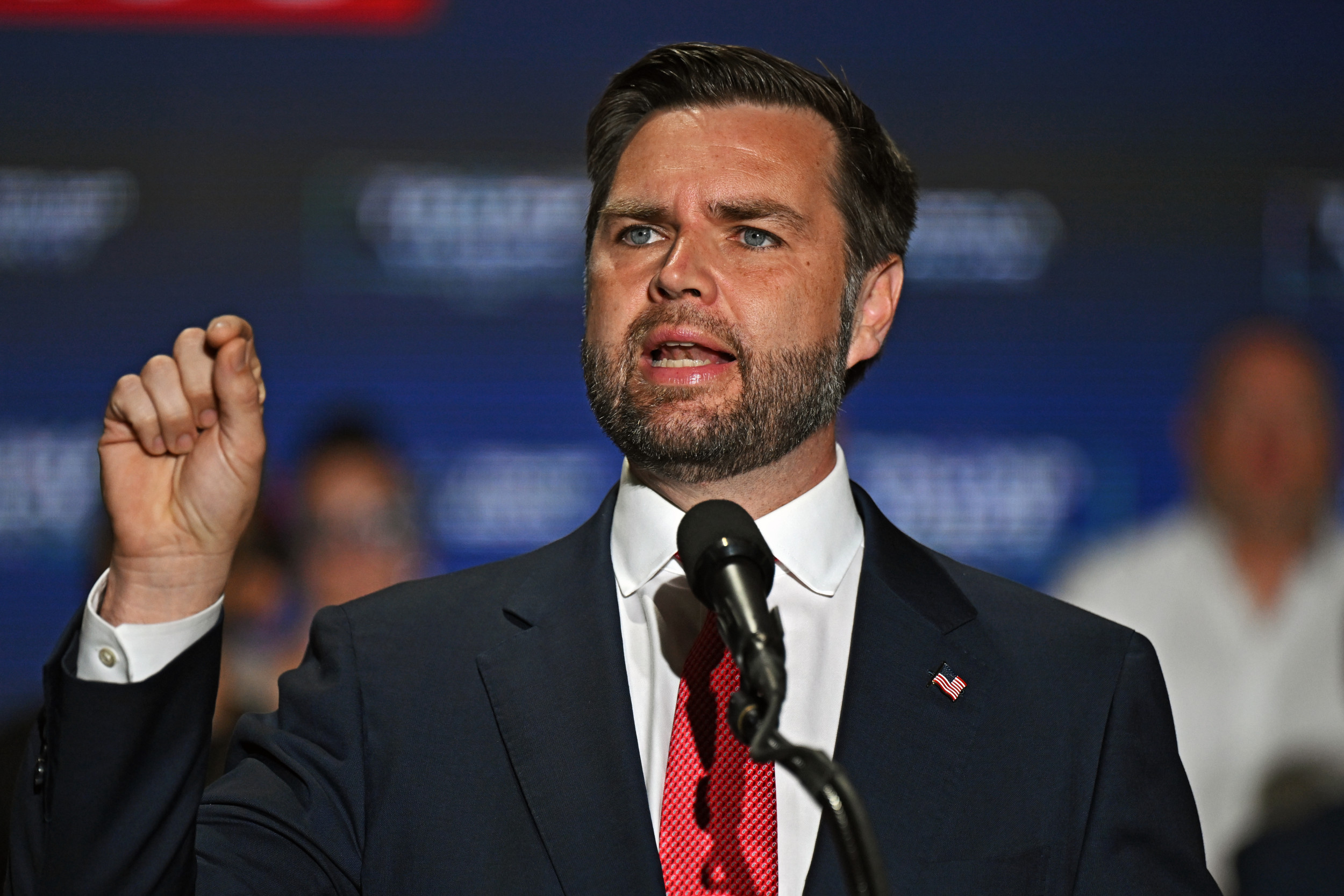
The planned meeting, intended to transform an fragile interim agreement into a permanent peace framework, stalled as both Washington and Tehran retreated from the table. Vice President JD Vance withdrew his attendance, while Iranian lead negotiator Mohammad Baqer Qalibaf was also absent. Hezbollah lawmaker Hassan Fadlallah stated that Tehran communicated to the militant group that further engagement with the U.S. is impossible without a comprehensive ceasefire, placing the burden of halting Israeli operations on Washington.
While the Swiss foreign ministry confirmed the postponement, the path forward remains precarious. The interim memorandum requires an immediate end to military operations, yet Israel—not a party to the agreement—continues to strike targets it identifies as Hezbollah infrastructure. Since the conflict erupted on February 28, the death toll has reached at least 7,000, with energy markets and global inflation tracking the instability. Despite the diplomatic freeze, Iran’s maritime authority announced it would waive transit fees for ships passing through the Strait of Hormuz during the 60-day negotiation window, a strategic gesture intended to stabilize oil flows while political tensions remain at a breaking point.


Comments (0)
No comments yet. Be the first!