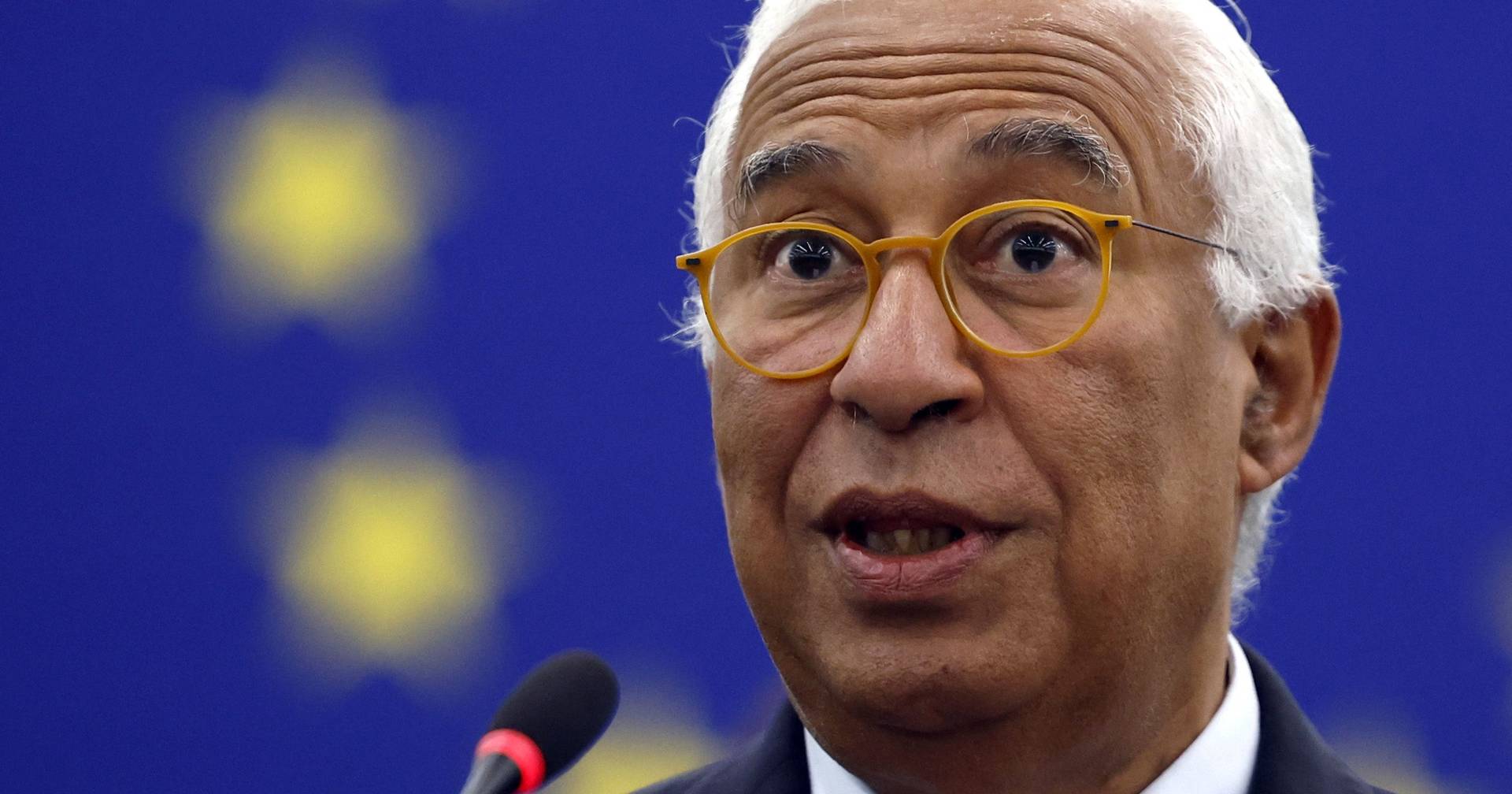
The initiative, conducted by a senior aide to Costa, caught many member states by surprise. According to diplomats, the move was executed without prior coordination with national capitals, fueling frustration among leaders who argue the EU must prioritize sustained pressure on Russia rather than premature dialogue. Nordic and Baltic representatives were particularly vocal in their opposition, signaling that any talk of diplomacy remains futile while Vladimir Putin shows no genuine intent to negotiate.
German Chancellor Friedrich Merz and French President Emmanuel Macron reportedly expressed skepticism toward the maneuver. Both leaders maintained that potential peace talks would inevitably center on military capabilities and security guarantees—matters they contend remain the purview of individual sovereign nations rather than the European Council. While some, including Irish Prime Minister Micheal Martin, defended the attempt to keep a channel open, the lack of transparency has exacerbated existing tensions. The discord is further complicated by the influence of the E3 format—the informal grouping of Germany, France, and the UK—which has already drawn criticism from other leaders for excluding them from high-level security discussions. As the summit concluded, the consensus remained elusive, with Dutch Prime Minister Rob Jetten emphasizing that Europe has yet to define who would represent its interests at any future bargaining table.


Comments (0)
No comments yet. Be the first!