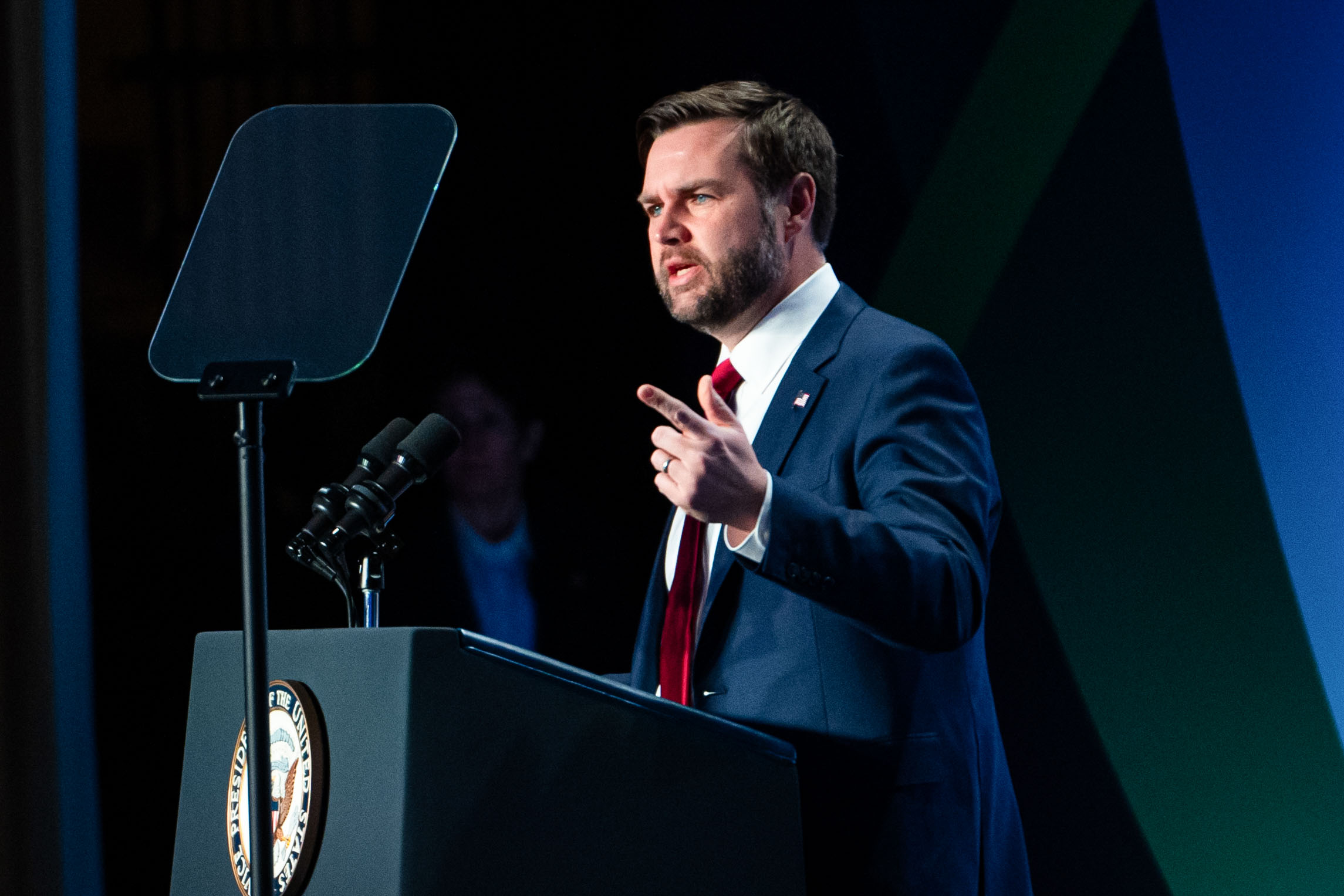
The White House offered little clarity on the sudden change of plans, citing the unpredictable logistics of the negotiation process. The talks were intended to move beyond a 14-point accord signed Wednesday, which provided Iran with significant sanctions relief and the unfreezing of tens of billions in assets. However, friction persists; Iran’s leadership has already signaled resistance to US demands regarding its nuclear program, while Republican lawmakers in Washington openly criticize the deal as a concession that falls far short of President Donald Trump’s original goal of an unconditional surrender.
While the US attempts to pivot toward diplomacy, the ground reality remains volatile. Israel, excluded from the pact, has intensified operations against Hezbollah in Lebanon, creating an unprecedented diplomatic rift with the Trump administration. Despite the agreement calling for a permanent end to hostilities, Israeli forces have continued strikes and signaled plans for an expanded occupation zone. With at least 7,000 dead since the war began in February, the global energy markets remain sensitive to the outcome, even as oil prices dipped slightly following the partial reopening of the Strait of Hormuz to tanker traffic.



Comments (0)
No comments yet. Be the first!