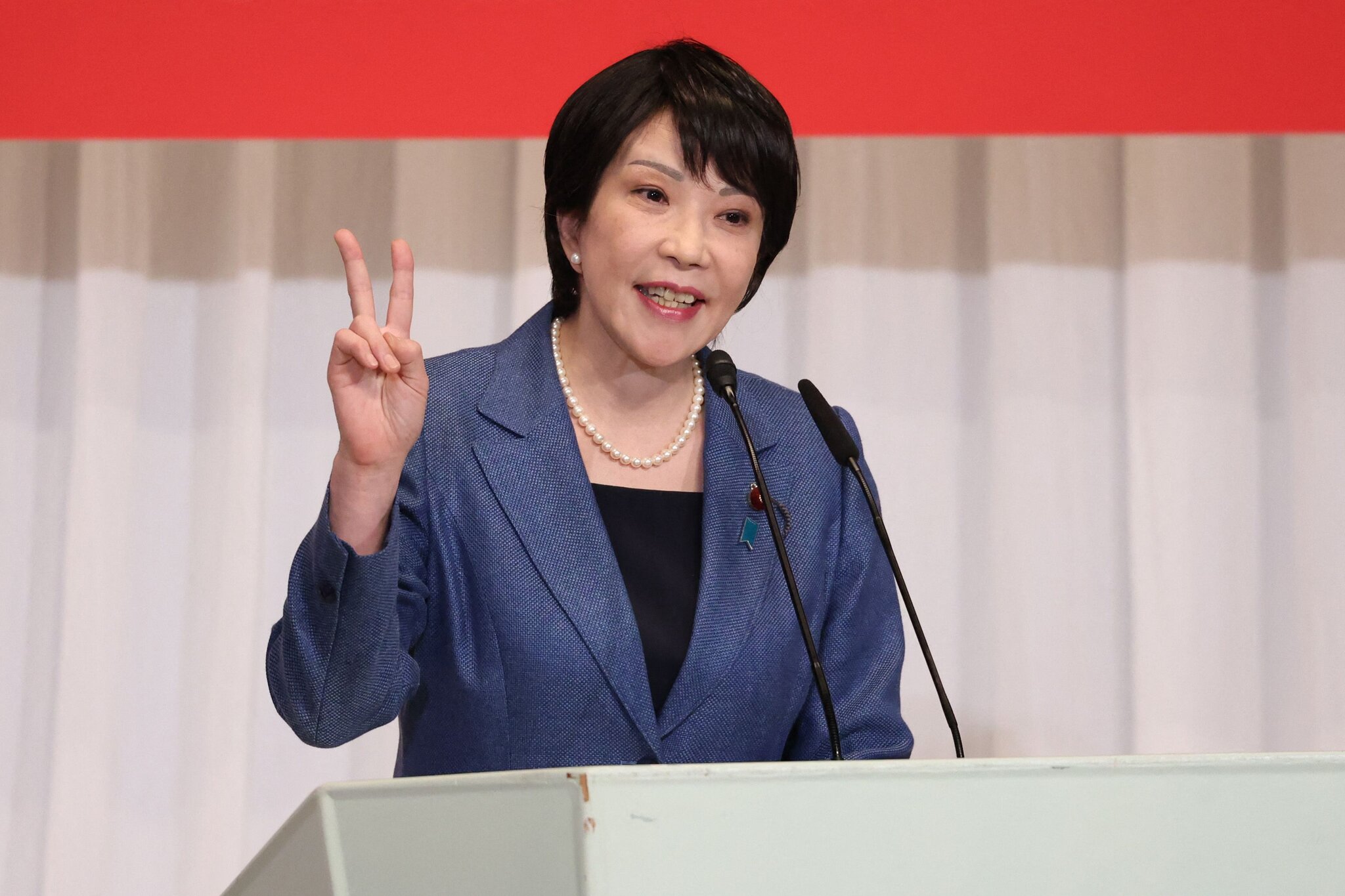
The policy effectively renders food purchases tax-free for a two-year period, combining the tax cut with a government benefit to cover the remaining 1%. This represents the first time Japan has reduced the consumption tax since its 1989 inception. Finance Minister Satsuki Katayama insists the shortfall will be managed through spending cuts and subsidy reforms rather than new deficit-financing bonds, though the plan faces significant skepticism from opposition parties and even some members of the ruling Liberal Democratic Party.
Financial markets have reacted with unease to the fiscal gamble. The benchmark 10-year government bond yield has climbed to 2.87%, signaling investor concern over Japan’s long-term debt sustainability. The government is currently juggling a 370 trillion yen public-private investment strategy through 2040 alongside rising defense obligations. While the tax relief offers immediate support for households burdened by inflation, the lack of a concrete, non-debt-based financing strategy leaves Tokyo’s fiscal discipline in question as the nation prepares for the policy’s implementation.



Comments (0)
No comments yet. Be the first!