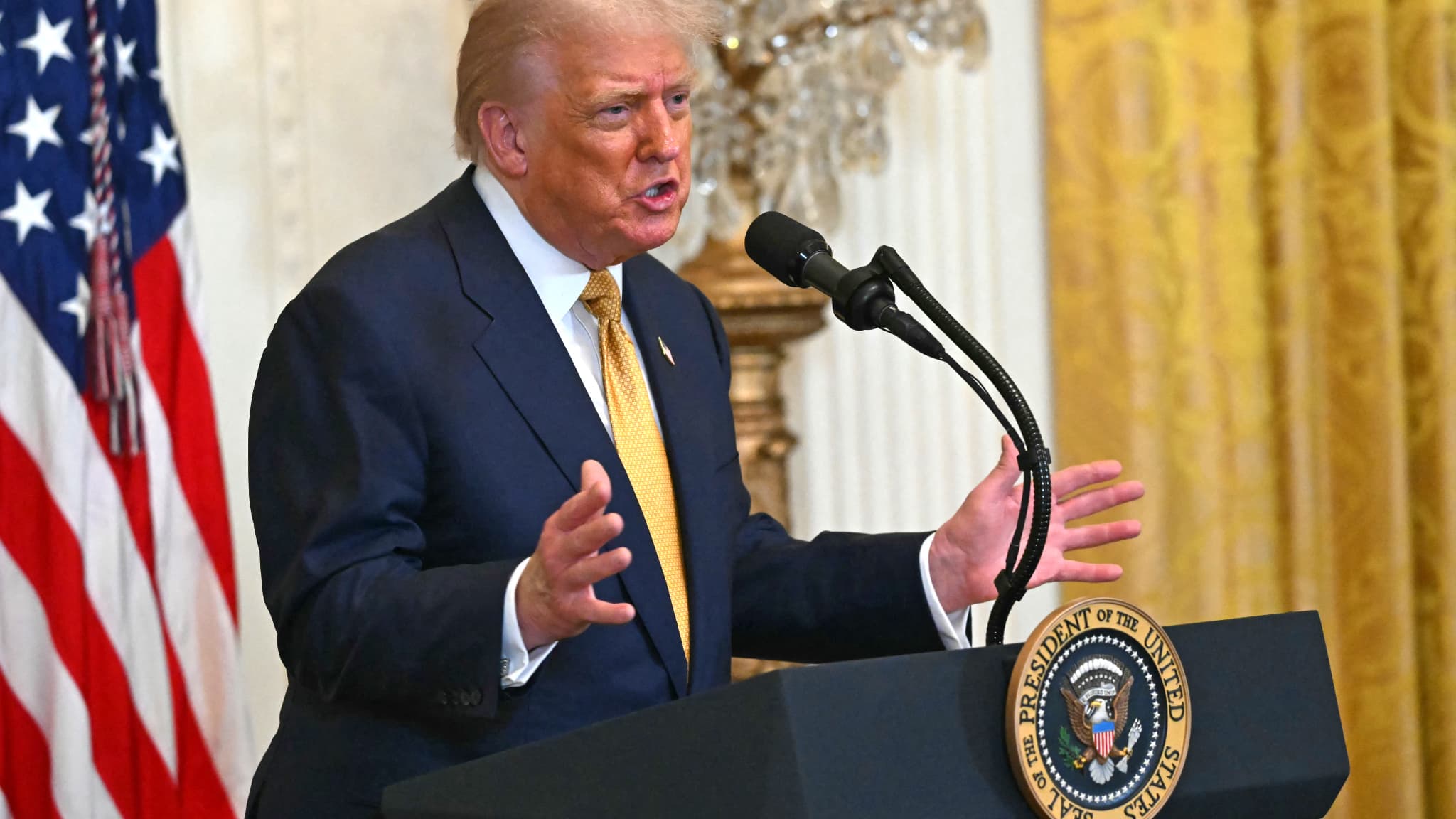
The core of this doctrine lies in the tactical use of economic protectionism. Following the 2025 National Security Strategy, the administration has bypassed the World Trade Organization to impose aggressive tariffs on major trade partners, including China and European nations. While the Supreme Court curtailed some measures, these levies remain a primary tool for geopolitical leverage, aimed at forcing bilateral deals that favor US manufacturing and reduce trade deficits. This isolationism extends to international institutions; by January 2026, the US had withdrawn from over 60 global bodies, including the World Health Organization, while repeatedly threatening to dismantle the NATO alliance.
Yet, this retreat from global governance is balanced by a aggressive, resource-focused interventionism. The invasion of Venezuela to topple Nicolas Maduro and the threatened annexation of Greenland are not mere displays of power, but calculated efforts to secure control over vital oil reserves and rare earth minerals. By securing these assets, the administration aims to insulate the US economy from foreign reliance, viewing military presence in the Gulf and Arctic as essential infrastructure for domestic security. These moves reveal that the administration’s apparent contradictions—isolationism versus interventionism—are unified by a singular goal: reclaiming resources to serve US interests.
Internal friction, however, prevents a perfectly cohesive strategy. The administration remains a battleground between the MAGA faction, which prioritizes border control and domestic culture wars, and more traditional conservative elements focused on evangelical support for Israel. Figures like JD Vance and Marco Rubio exert influence that often pulls the President toward regional interventions that clash with the broader economic goal of self-sufficiency. As these competing wings vie for control, the result is a foreign policy defined by volatility, where long-standing international law is consistently sacrificed for the shifting priorities of the America First agenda.

Comments (0)
No comments yet. Be the first!