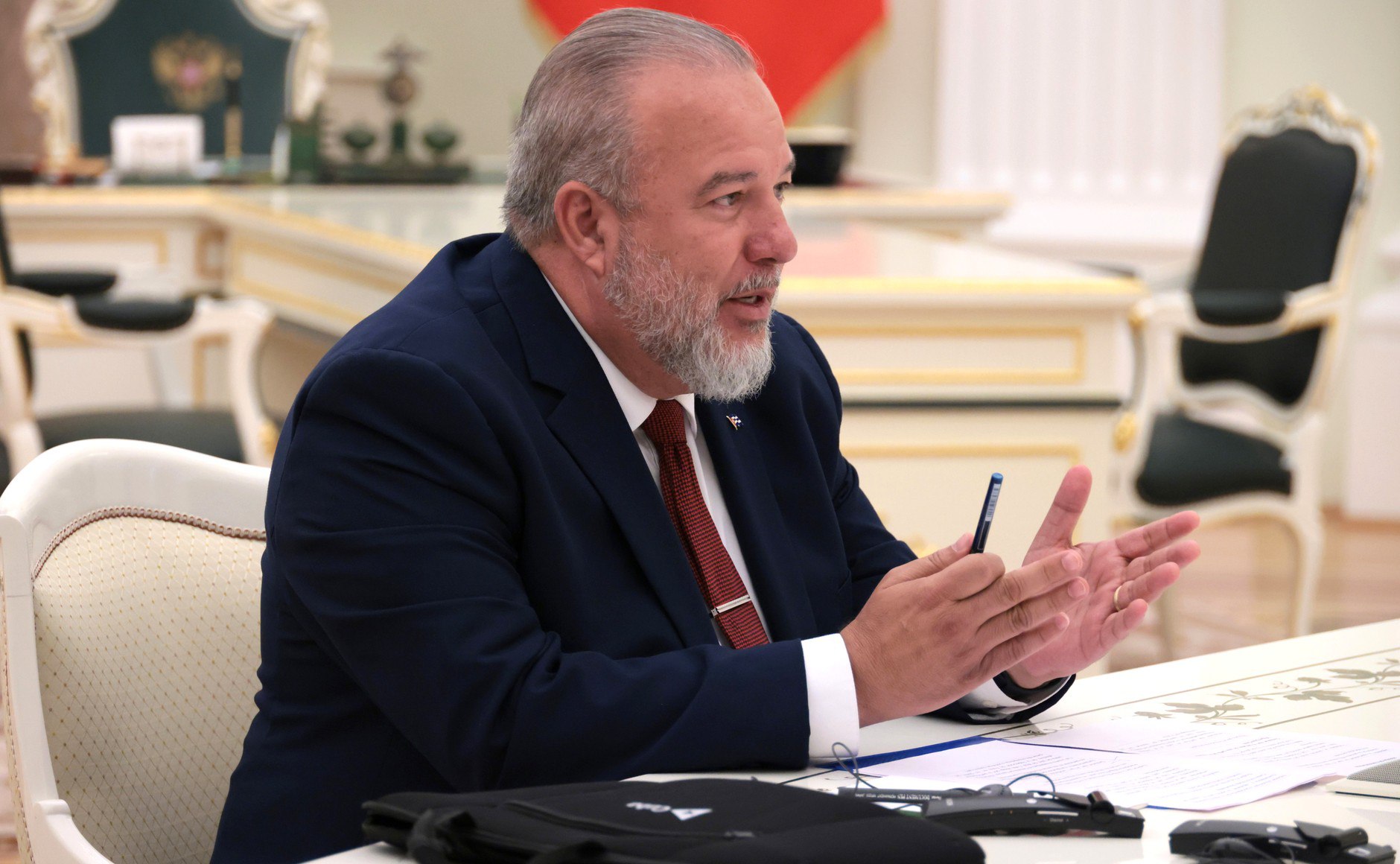
The proposal marks a fundamental shift for the Caribbean nation, introducing private real estate development and transforming state-owned businesses into commercial ventures with equity stakes. For the first time, the government intends to allow private banks to operate within the financial sector and permit the sale of state property to both national and foreign entities, including Cubans living abroad. Prime Minister Marrero defended the pivot, framing market mechanisms as essential tools to improve the quality of life while maintaining that the reforms remain aligned with the country's socialist project.
The legislative package arrives with the backing of former leader Raul Castro, who urged a swift implementation in a letter to the politburo. Under the proposed rules, entrepreneurs would gain the right to own multiple businesses and hire more than 100 employees, effectively dismantling long-standing bureaucratic barriers to private capital. To replace the failing, state-subsidized model, the government plans to introduce a new taxation system where both foreign and domestic private enterprises help underwrite public services like education and healthcare. While the National Assembly has begun debating the measures, the mechanisms and timeline for this transition remain subject to intense legislative scrutiny.



Comments (0)
No comments yet. Be the first!