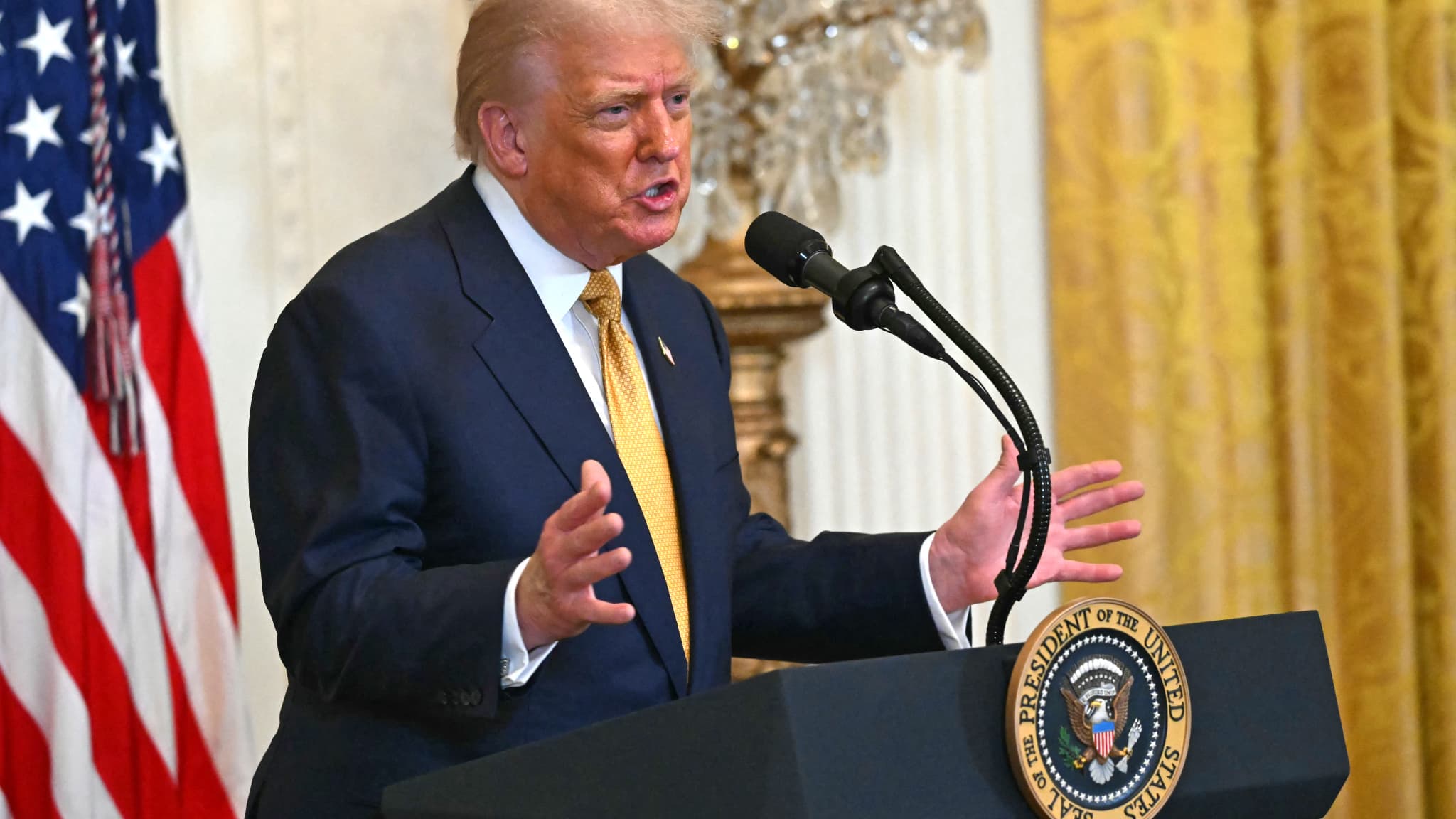
Talwani determined that while the plaintiffs—a coalition of 23 states, the District of Columbia, and various voting rights groups—have standing to challenge the immediate impact of the directive, the case is premature concerning future election cycles. She noted substantial uncertainty remains regarding how federal agencies, specifically the Department of Homeland Security and the U.S. Postal Service, will ultimately translate the order into binding policy.
Signed on March 31, the executive order mandates that the Department of Homeland Security compile citizenship lists for state use and restricts the Postal Service to delivering ballots only to individuals on verified state lists. It further tasks the Department of Justice with prosecuting local officials who issue federal ballots to those deemed ineligible. Plaintiffs argue these measures constitute an unconstitutional overreach of presidential authority, as the Constitution grants states primary jurisdiction over election administration. While the administration’s directives face ongoing scrutiny, the court has effectively sidelined challenges to post-November policies until agency implementation reaches a more definitive stage.


Comments (0)
No comments yet. Be the first!