
While the government has withheld specific implementation details, officials describe the plan as a commitment to liberalizing agriculture and expanding private investment while retaining socialist oversight. The National Assembly is expected to pass the proposals unanimously, a standard procedure in the one-party state. Beyond domestic restructuring, the government hopes to attract capital from the Cuban diaspora and reduce the state’s footprint in local industry.
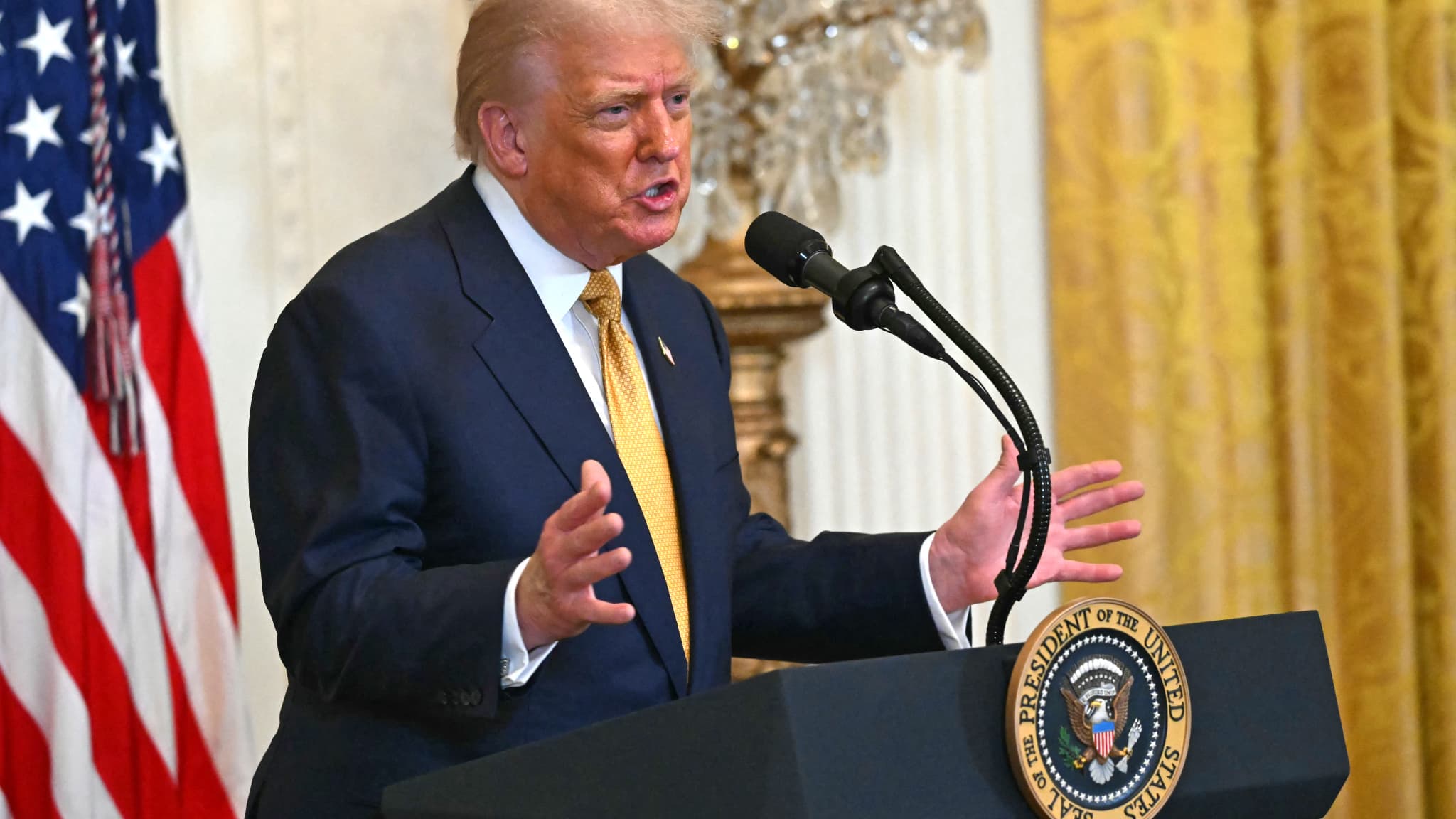
These policy shifts gain urgency as the Trump administration’s sanctions continue to cripple the island’s infrastructure. The blockade on oil imports has triggered persistent blackouts, while shortages of medicine and basic goods have intensified public hardship. Raul Castro, who was indicted on murder charges in the United States this past May, signaled his support for the reforms in a letter to the politburo, demanding rapid execution. Whether these measures can overcome the logistical and financial strain caused by the exodus of foreign businesses and the collapse of the tourism sector remains the central question for the administration.

Comments (0)
No comments yet. Be the first!