
The era of anticipated rate cuts has vanished as persistent energy price volatility makes inflation targets increasingly difficult to reach. Even with a potential interim peace deal in the Middle East, damaged infrastructure and depleted oil stockpiles suggest energy markets will not normalize until next year. The Federal Reserve, under new Chair Kevin Warsh, has shifted its tone significantly, with markets now pricing in two interest rate increases rather than the cuts expected earlier this year. This hawkish turn effectively sets the pace for other major economies, including Britain and Japan.
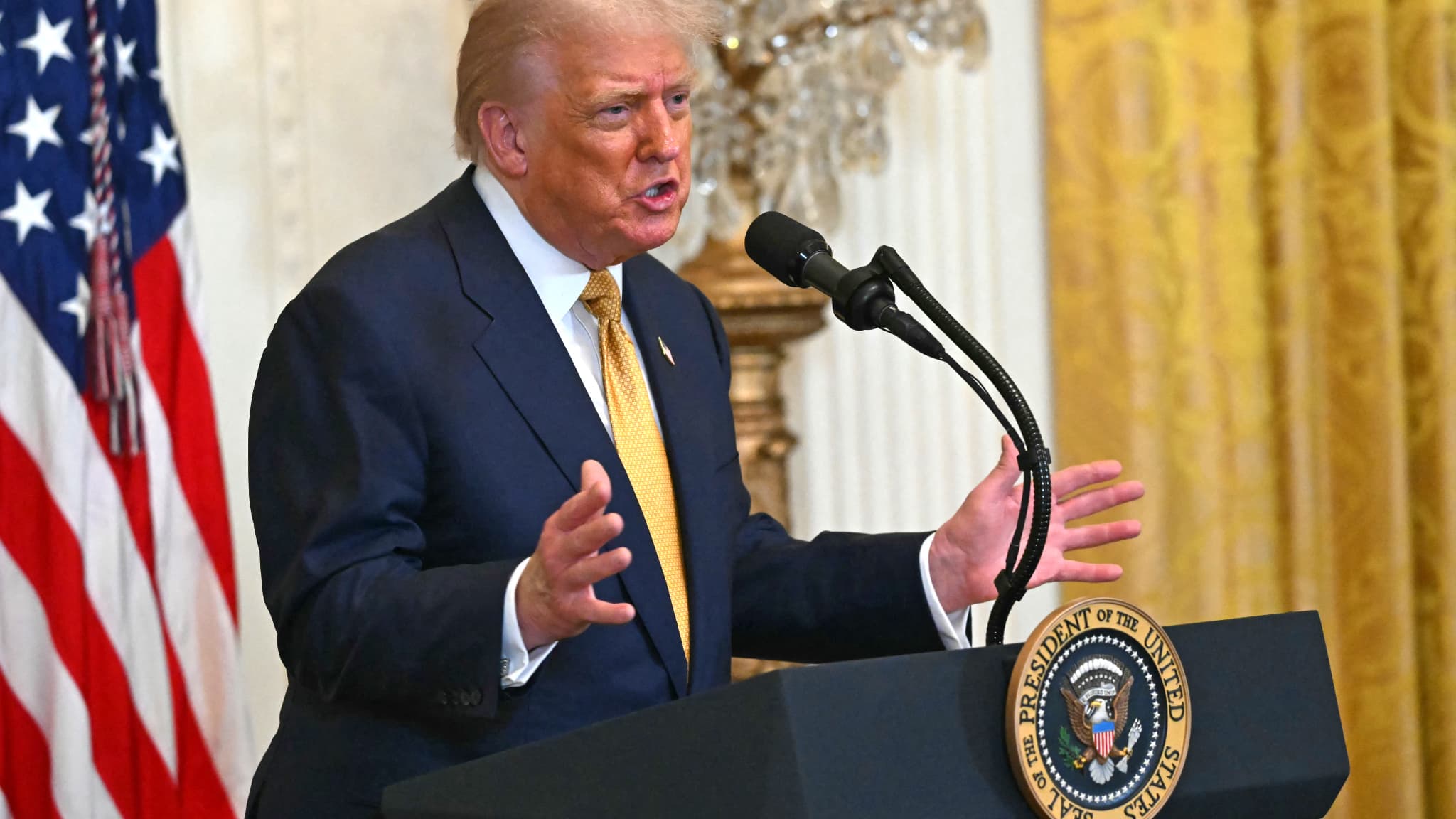
Capital Economics analyst Stephen Brown noted that the Fed’s current inflation projections suggest rate hikes are already overdue. This stance complicates political pressures from Washington, as President Donald Trump’s calls for lower borrowing costs appear increasingly unlikely to materialize. Meanwhile, the Bank of Japan faces mounting pressure to accelerate its own rate hikes as the weakening yen drives up domestic inflation expectations. Across the Atlantic, the European Central Bank and the Bank of Norway are maintaining a similarly restrictive posture, cautioning that any meaningful economic stabilization remains distant.

Comments (0)
No comments yet. Be the first!