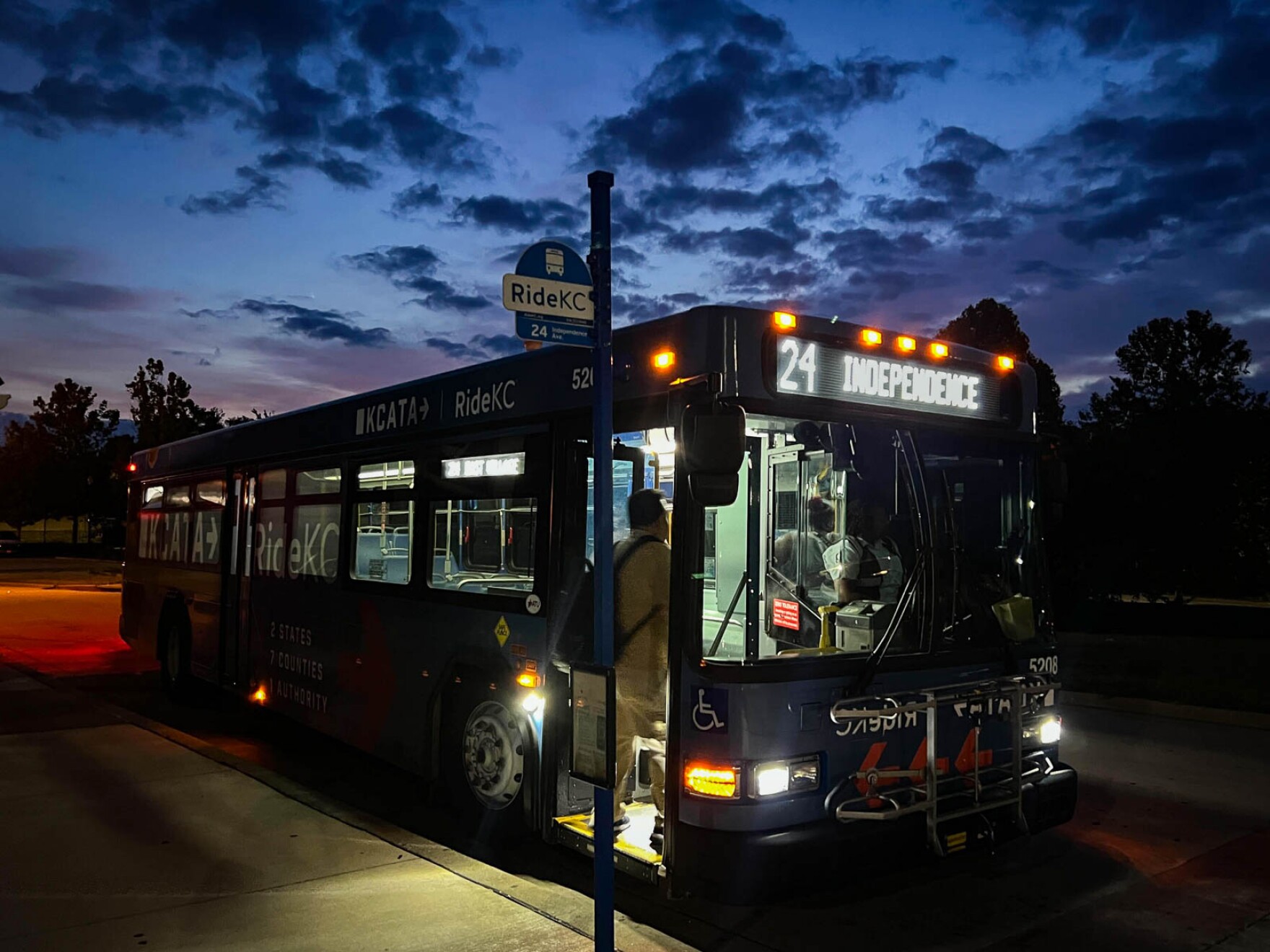
The Kansas City Transportation Authority intends to use the technology to identify banned riders or missing persons by scanning faces against watch lists. Tyler Means, the authority’s chief mobility and strategy officer, maintains that passengers will eventually view the cameras as a standard evolution of existing transit security. SafeSpace Global, the Tennessee-based firm providing the software, claims the system only processes data when a match is triggered, promising that facial data is otherwise discarded immediately.
Critics remain unconvinced, pointing to the potential for scope creep and the historical failures of similar deployments in cities like Detroit and New Orleans. Jay Stanley of the ACLU argues that live facial recognition in public spaces crosses a threshold that risks normalizing constant surveillance. While the city initially aimed to have the system operational for World Cup matches, the rollout was delayed due to funding gaps and infrastructure needs. Instead, officials have deployed additional police officers to transit hubs, opting for traditional security measures while they secure local and federal backing to expand the pilot to 30 buses.



Comments (0)
No comments yet. Be the first!