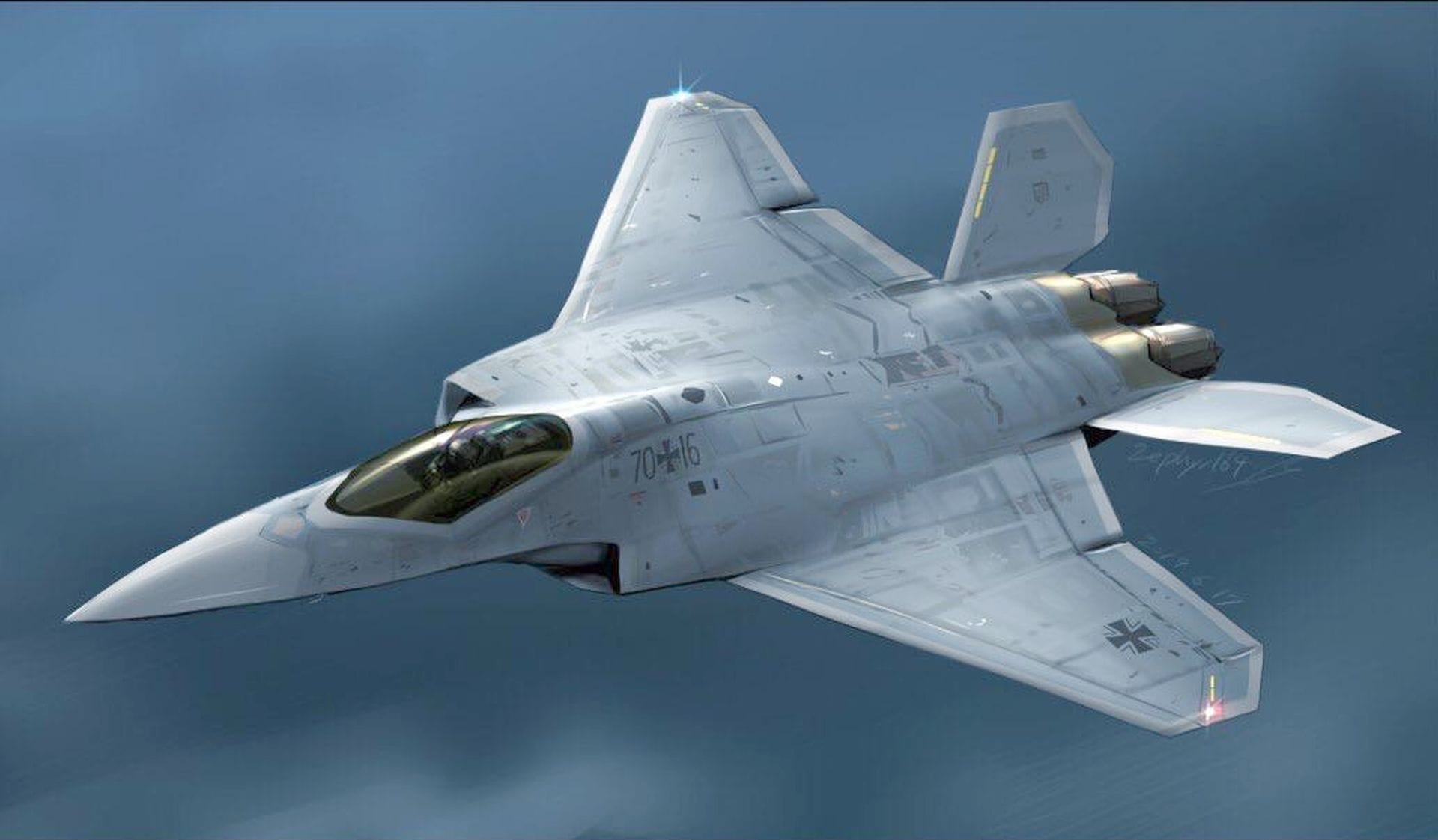
The NGF was envisioned as the central hub of the Future Combat Air System, a complex network designed to integrate drones, ground radar, and manned aircraft. By serving as the primary node for human oversight, the fighter was intended to manage distributed autonomous systems across the battlefield. Its failure forces France, Germany, and Spain back to the drawing board, leaving the wider, non-fighter components of the FCAS project as the only remaining vestige of this once-ambitious collaborative vision.
Disputes over design requirements proved insurmountable. Germany, focused on protecting Europe’s eastern flank, demanded a high-performance air superiority fighter optimized for land-based operations. Conversely, France’s status as a global nuclear power with naval interests necessitated a smaller, carrier-capable platform capable of carrying heavy, specialized cruise missiles. Attempts to reconcile these conflicting doctrines mirror historical failures in Franco-German defense cooperation, including the troubled NH90 helicopter and the long-delayed Main Ground Combat System tank project.
With the NGF abandoned, both nations face an uncertain path. While Germany has explored potential entry into the British-led GCAP programme or Swedish initiatives, France may seek an independent route to preserve its strategic autonomy. The dissolution of the project underscores a recurring reality: despite the urgent pressure to reduce reliance on American technology, European defense integration remains tethered to the persistent inability of its two largest industrial powers to align their strategic priorities.



Comments (0)
No comments yet. Be the first!