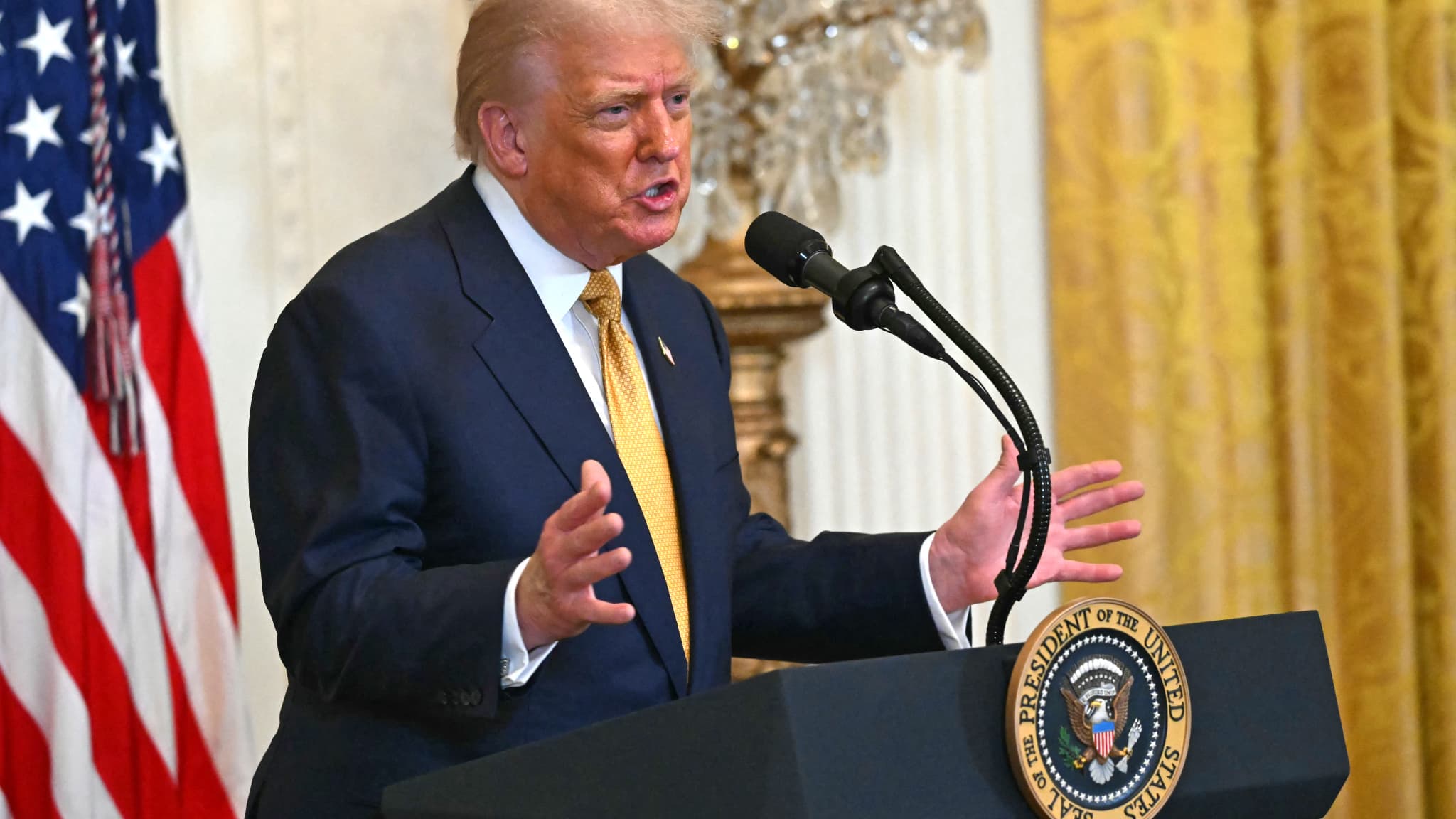
The path to this framework was marked by diplomatic friction and public outbursts. Hours before the announcement, an Israeli airstrike in Beirut nearly scuttled the talks, prompting a rare, profane rebuke from Trump toward Prime Minister Benjamin Netanyahu. While the administration touts the deal as a masterstroke, the text remains opaque. It promises a financial lifeline to Tehran through oil waivers and sanctions relief, contingent on Iran halting its nuclear ambitions—a pivot that draws sharp parallels to the JCPOA agreement Trump dismantled during his first term.
Behind the scenes, Qatari mediators facilitated seventeen hours of grueling negotiations in Tehran, working to bridge the gap between an impatient U.S. president and an economically strained Iranian regime. The deal’s survival often hinged on last-minute concessions, including a accelerated U.S. commitment to lift naval blockades. As Trump departed for the G7 summit in Evian, he signed the final documents at the Palace of Versailles, leaving allies to navigate a geopolitical shift that isolates Netanyahu and tests the limits of U.S. regional influence. For now, the global energy markets have stabilized, but the longevity of the ceasefire remains tied to the volatile relationship between Washington, Tehran, and a sidelined Jerusalem.


Comments (0)
No comments yet. Be the first!