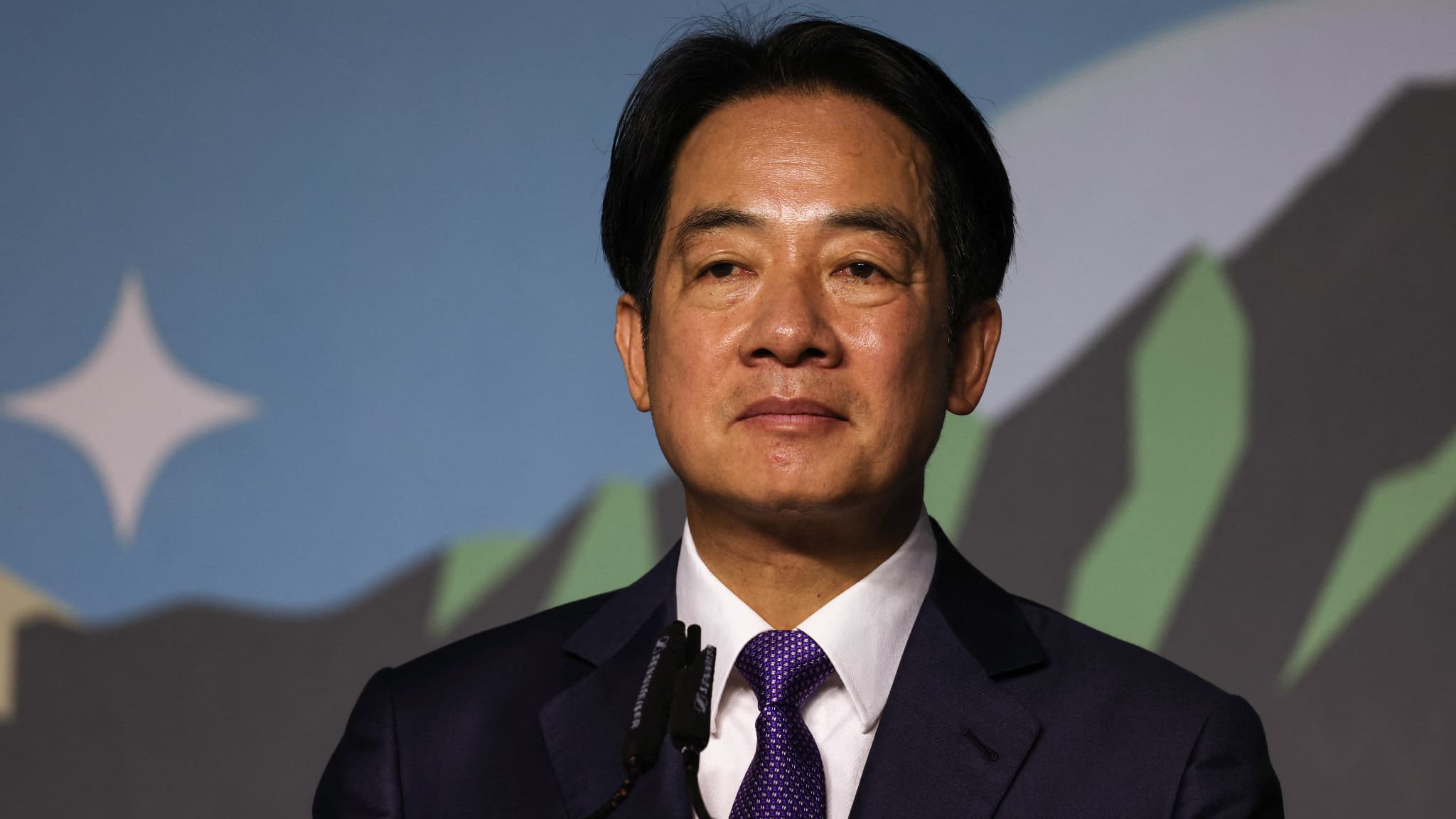
Addressing the Taiwan Foreign Correspondents' Club in Taipei, Lai framed the island’s defensive posture as a fundamental right rather than an act of aggression. He maintained that the Taiwanese people alone hold the authority to determine their future, dismissing Beijing’s characterization of his administration as separatist. According to Lai, China’s expanding military presence in the Western Pacific is the primary factor destabilizing the status quo in the Taiwan Strait.
The president’s remarks come amid growing anxiety over the future of U.S. security guarantees. Following comments from Donald Trump that suggested potential arms deals for Taipei could serve as a negotiating chip with Beijing, Lai insisted that Washington’s commitment remains firm. He underscored that Taiwan cannot afford to slow its defense efforts, even as domestic political friction complicates his agenda. Last month, the opposition-controlled parliament slashed a $40 billion supplementary defense budget, specifically targeting funding for drones and indigenous weapon systems.
To address these gaps, the Ministry of National Defense is pushing for a new $6.66 billion special package focused on surveillance, coastal defense, and unmanned surface vessels. Lai argued that these investments are essential to demonstrate Taiwan's resolve to the international community. By strengthening its own deterrence, the island aims to move beyond a local dispute and participate in collective regional security, provided China renounces the threat of force.


Comments (0)
No comments yet. Be the first!