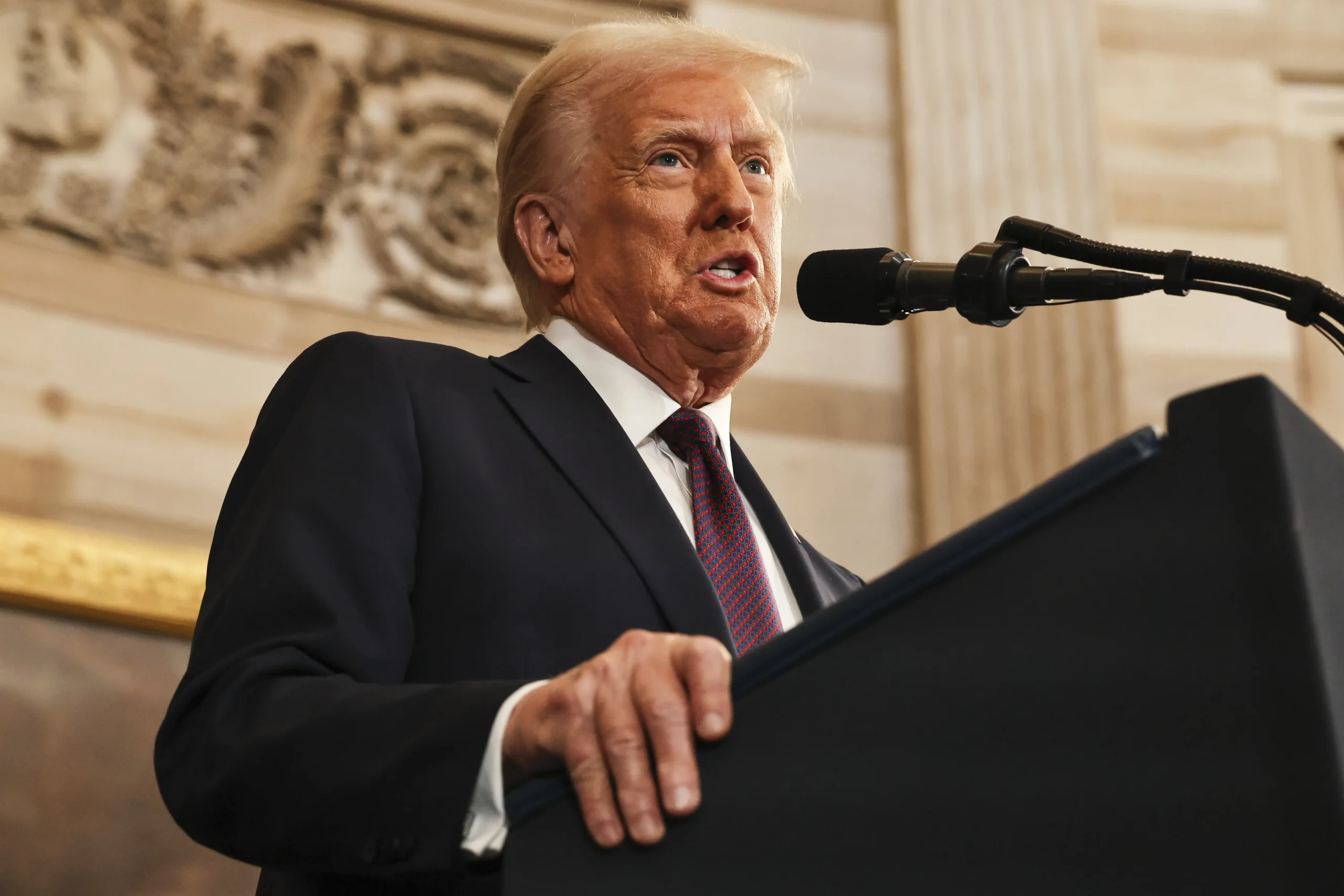
The memorandum, signed digitally by Trump and Iranian President Masoud Pezeshkian, mandates an immediate end to combat operations, the reopening of the Strait of Hormuz, and the lifting of U.S. sanctions. In exchange, Iran has pledged to abandon nuclear weapons development and accept a $300 billion economic rehabilitation plan. Despite the formal agreement, the situation on the ground remains volatile; Israel, which was excluded from the negotiations, continues to operate in southern Lebanon, where skirmishes involving Hezbollah persist.
Trump’s rhetoric during the G7 summit in France revealed a softening of his original war aims. He dismissed his earlier threats to destroy Iran’s ballistic missile program, suggesting it would be unfair to deny Tehran such capabilities when other nations possess them. This reversal contrasts with the initial objectives of the February 28 offensive, which began with the assassination of Supreme Leader Ayatollah Ali Khamenei. While G7 leaders have welcomed the de-escalation, they remain wary of Iran's regional influence. Meanwhile, friction between Washington and Tel Aviv has surfaced, with Trump publicly urging Prime Minister Benjamin Netanyahu to adopt a softer military approach in Lebanon. Despite the signed accord, the path to a permanent truce remains fragile, with both Washington and Tehran retaining the ability to withdraw before a final, binding deal is reached.


Comments (0)
No comments yet. Be the first!