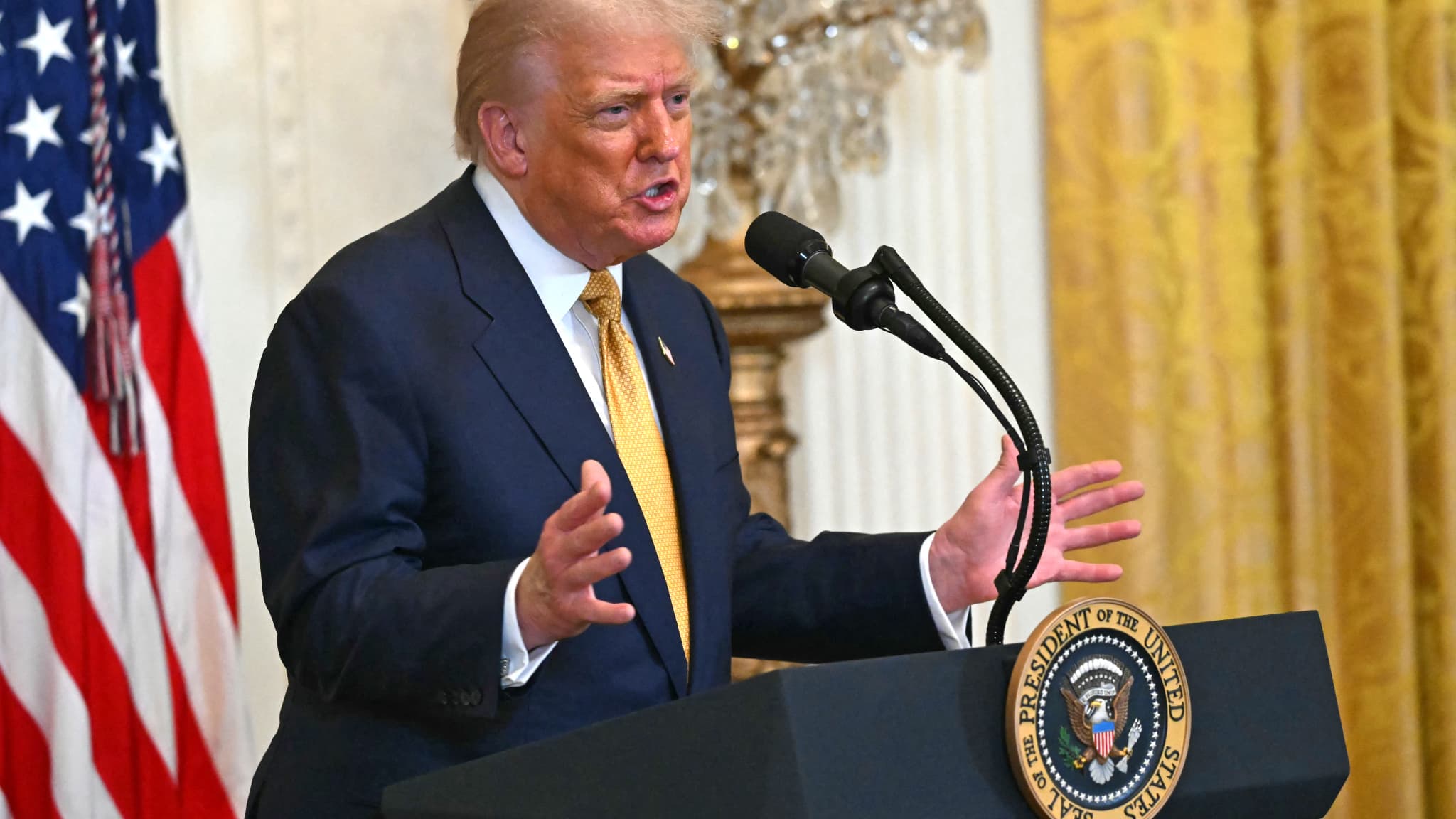
The President drew a stark comparison to the Herbert Hoover era, explicitly citing the 1929 stock market crash as the outcome he sought to avoid. Markets responded sharply to the diplomatic maneuvers; the S&P 500 climbed 4.0% between June 10 and Monday as investors priced in a potential ceasefire. These gains have since tempered, however, as uncertainty regarding Federal Reserve interest rate hikes and Tehran’s commitment to the memorandum persist.
While the conflict, which saw initial U.S. and Israeli strikes on February 28, continues to weigh on energy prices and inflationary pressure, the decision to avoid targeting Iranian oil infrastructure provided a necessary buffer. Analysts remain cautious, noting that while the deal is a positive signal for the global economy, the restoration of normal trade flows and fuel supply chains will likely require months of stability. Trump, who previously claimed indifference to the financial fallout of the war, now emphasizes that the economy’s resilience is tied directly to the de-escalation of hostilities.


Comments (0)
No comments yet. Be the first!