The core of the initiative rests on a massive influx of capital, with USD 26 billion already deployed toward energy, transport, and 44 new Special Economic Zones. While these projects address chronic infrastructure deficits, they simultaneously anchor the nation to a complex debt architecture. Critics and the International Monetary Fund have repeatedly raised alarms regarding the financial viability of these energy plants, noting that high tariffs and operational costs place an unsustainable burden on Pakistani state finances. The upcoming USD 7 billion Main Line-1 Railway upgrade faces similar scrutiny, as the project lacks a clear revenue model to justify the massive capital expenditure.
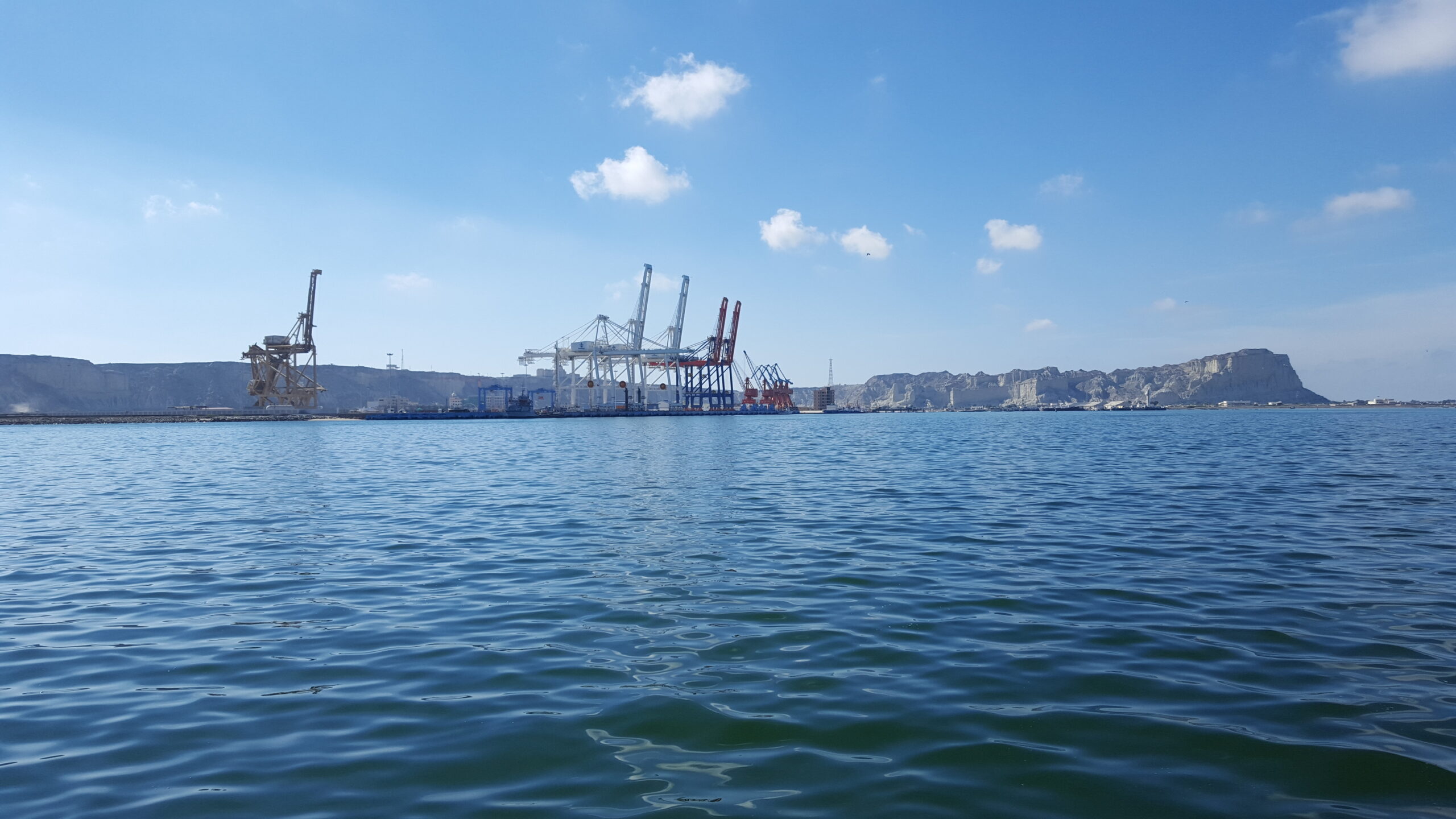
Beyond the balance sheet, a profound asymmetry in strategic leverage defines the relationship. Chinese firms currently control the procurement, technology, and maintenance of critical national infrastructure, creating a dependency that limits Islamabad’s policy autonomy. This is particularly visible in the energy sector and the development of the Gwadar Port, which sits at the center of regional tensions with India. Furthermore, the push for agricultural and industrial modernization risks marginalizing local smallholders in favor of large-scale commercial operations that serve Chinese interests rather than domestic needs.
Environmental and social costs add a final layer of complexity. The pivot to solar manufacturing, while intended to solve energy shortages, threatens to leave Pakistan with significant e-waste challenges and industrial pollution if regulatory frameworks remain weak. For CPEC 2.0 to function as a genuine driver of growth rather than a source of long-term strategic vulnerability, Pakistan must secure transparent debt accounting and ensure that technology transfers translate into autonomous industrial capacity rather than mere reliance on foreign technical expertise.



Comments (0)
No comments yet. Be the first!