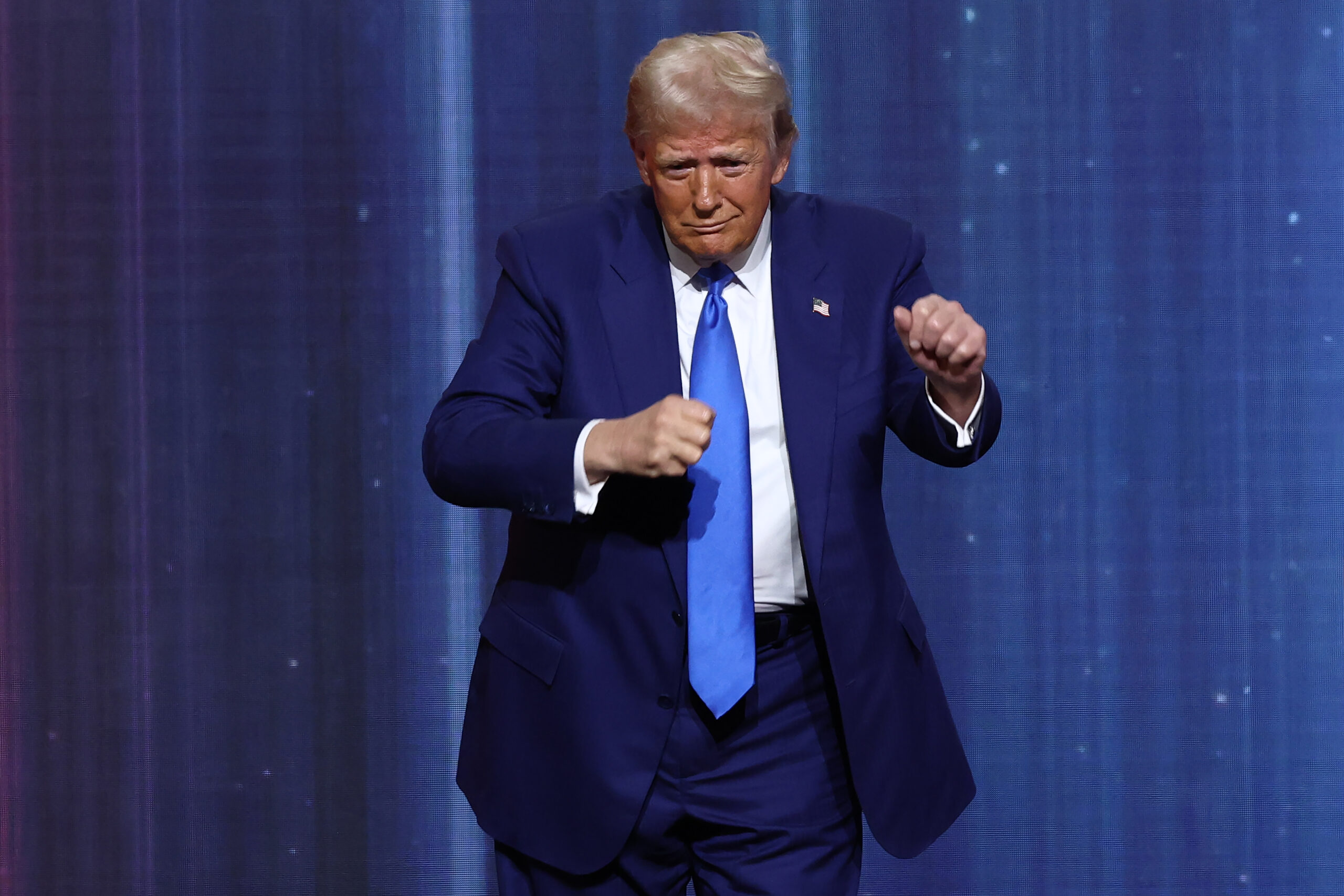
The 14-point memorandum of understanding, which extends an April ceasefire by 60 days, mandates an immediate end to hostilities across all fronts, including Lebanon. Under the terms, the U.S. will lift its blockade of Iranian ports and waive international sanctions, while Tehran commits to halting its nuclear weapons program in exchange for a $300 billion economic rehabilitation plan. Despite the agreement, core U.S. objectives remain unfulfilled: Iran’s theocratic leadership remains in power, its enriched uranium stockpiles persist, and its support for regional militias like Hezbollah continues largely unabated.
Market reactions reflected the fragile nature of the peace, with Brent crude futures dipping below $80 per barrel before rebounding as Trump explicitly warned he would resume bombing if Tehran fails to honor the deal. Meanwhile, the situation in Lebanon remains precarious. Despite the memorandum calling for a total cessation of hostilities, Israeli forces and Hezbollah militants exchanged fire on Wednesday, resulting in five Israeli soldiers being wounded. Trump offered a public rebuke to Prime Minister Benjamin Netanyahu, suggesting a "softer touch" in Lebanon, though Israel maintains it is not bound by the negotiations and reserves the right to use force.


Comments (0)
No comments yet. Be the first!